Logo - The Possums baby and toddler sleep program.
parents home
librarybrowse all programsfind answers nowaudioprograms in audiogroup sessionsgroup sessions with dr pam
menu icon NDC Institute
possums for professionals
(the ndc institute)
menu icon eventsguest speakers
menu icon the sciencethe science behind possums/ndcmenu icon who we arewho we aremenu icon evidence basendc research publicationsmenu icon dr pam's booksdr pam's books
menu icon free resourcesfree resourcesmenu icon dr pam's blogdr pam's blog
menu icon consult with dr pamconsult with dr pammenu icon consult with dr pamfind a possums clinicmenu icon find a NDC accredited practitionerfind an ndc accredited practitioner
login-iconlogin

Welcome back!

Forgot password
get access
search

Search programs

PBL Advanced icon

PBL Advanced


  • Neuroprotective Developmental Care (NDC) or the Possums programs uses de-stigmatising and woman-centred language

  • The belief that "there is no right way to breastfeed, only your way" doesn't help breastfeeding women (and may cause harm)
  • A little about the underlying theoretical frameworks from which the gestalt method has been built
  • The gestalt method: developed from clinical experience + ultrasound and vacuum studies, corroborated by real-time MRI
  • The gestalt method: education strategies, innovative models, what's not included
  • Micromovements: the power lies in the detail
  • Using the numeric rating pain scale as we help reduce a woman's experience of nipple during breastfeeding
  • Differences between the gestalt method of fit and hold and biological nurturing or laid-back breastfeeding
  • The gestalt method: high level overview of the four steps

Next article

Sign up now
  • PBL Advanced
  • S7: Empowering women to change the biomechanics of their infant's suck + protect themselves from pain
  • CH 2: Deep dive into the gestalt method of fit and hold

Neuroprotective Developmental Care (NDC) or the Possums programs uses de-stigmatising and woman-centred language

Dr Pamela Douglas7th of Aug 202328th of Feb 2026

x

Preferred terms when delivering Neuroprotective Developmental Care or the Possums programs Technical or popular terms that are not recommended
Face-breast bury Facio-mandibular-to-breast symmetry(Thompson et al 2016)
Mother-baby pair, mother-baby CAS (complex adaptive system) Dyad
Dialed up Conditioned sympathetic nervous system (SNS) hyperarousal, stressed
Dialed down Calm
Conditioned dialing up Oral aversion, breast refusal
Fit and hold Latch, attachment, positioning
Fit onto the breast Latch or attach
Open the mouth Gape
Generous breast Large breast
Delicate or petite breast Small breast
Round tummy Fat stomach
Healthy bonding Attachment (psychological)
Difficult thoughts and feelings, worried thoughts Rumination, anxiety, feeling depressed
Dialed up at the breast Oral aversion; breast refusal; conditioned SNS hyperarousal
Sensitivity at the breast Oral aversion; breast refusal; conditioned SNS hyperarousal
Workability and experimentation Natural or instinctual behaviours or natural breastfeeding
Nipple and breast tissue drag in the baby's mouth Vector of force which conflict with intra-oral vacuum, resulting in decrease intra-oral breast tissue volume
Milk removal Draining or emptying the breast, which falsely implies that the breast can be or must be 'emptied' during a feed
Frequent and flexible breastfeeds Breastfeeding on demand
Nipples look Nipples point
Smooth muscle contraction of nipples, nipple contraction Nipple erection
Breast fall - where the breasts and nipples fall naturally in response to gravity
Oral searching reflex Rooting
Too far around the corner Breast tissue drag too far towards the breastfeeding mother's arm (too far towards the same side as the baby is breastfeeding from)
Nipple and areola Nipple-areolar complex
Can't overfeed a breastfed baby; baby is dialing up due to hunger for sensory motor nourishment Overfeeding, overtired, overstimulation

x

Recommended resources

Woman-centred language and weight-inclusive care of breastfeeding and lactating women

Selected references

Crawford E, Waldby L, Crook E. New perspectives on responsive infant care: a qualitative study of the ways in which Neuroprotective Developmental Care (NDC) shapes mother-infant co-occupations. Journal of Occupational Science. 2023:https://doi.org/10.1080/14427591.14422023.12236117.

Crawford E, Whittingham K, Pallett E, Douglas PS, Creedy DK. An evaluation of Neuroprotective Developmental Care (NDC/Possums Programs) in the first 12 months of life. Maternal and Child Health Journal. 2022;26(1):110-123.

Douglas PS, Keogh R. Gestalt breastfeeding: helping mothers and infants optimise positional stability and intra-oral breast tissue volume for effective, pain-free milk transfer. Journal of Human Lactation. 2017;33(3):509-518

Thompson RE, Kruske S, Barclay L, Linden K, Gao Y, Kildea SV. Potential predictors of nipple trauma from an in-home breastfeeding programme: a cross-sectional study. Women and Birth. 2016;29:336-344.
Finished

share this article

Next up in Deep dive into the gestalt method of fit and hold

The belief that "there is no right way to breastfeed, only your way" doesn't help breastfeeding women (and may cause harm)

x

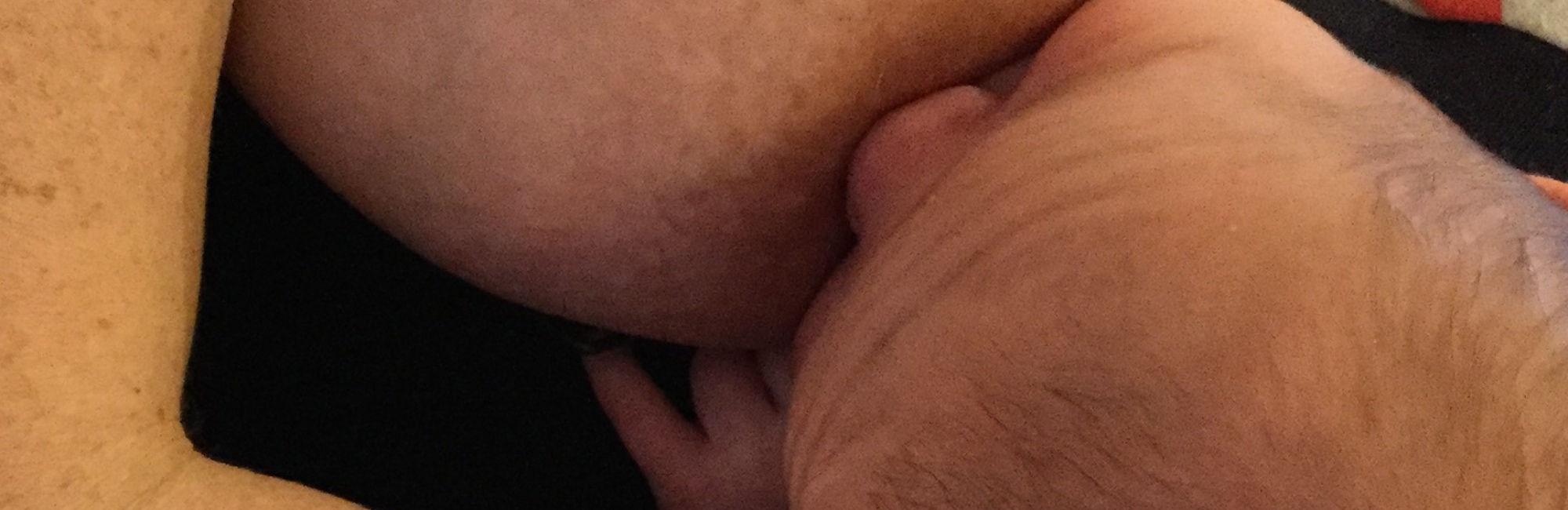
The photo above ilustrates a newborn breastfeeding in a way that may cause fussiness at the breast due to positional instability and nipple and breast tissue drag resulting in nipple pain and damage.

The belief that there is 'no right way to breastfeed' is ideologically constructed and obstructs research into the efficacy of fit and hold interventions

Today, when research studies are designed and also when clinical protocols are written, it is usually assumed that each woman with pain has or will receive optimal fit and hold intervention tailored for her specific needs by the International Board Certified Lactation Consultant (IBCLC) whom she consults. Unfortunately, these IBCLC interventions remain an omitted variable bias within most breastfeeding research,…

Keep reading
logo‑possums

Possums in your inbox

Evidence-based insights, tips, and tools. Occasional updates.

For parents

parents homebrowse all programsfind answers nowprograms in audiogroup sessions with dr pam

For professionals

possums for professionals
(the ndc institute)
guest speakers

About

the science behind possums/ndcwho we arendc research publicationsdr pam’s books

More resources

free resourcesdr pam’s blog

Clinical consultation

consult with dr pamfind a possums clinicfind an ndc accredited practitioner

Help & support

contact usfaqour social enterpriseprivacy policyterms & conditions

Social

instagramlinked infacebook

Possums acknowledges the traditional owners of the lands upon which The Possums Programs have been created, the Yuggera and Turrbal Peoples. We acknowledge that First Nations have breastfed, slept with, and lovingly raised their children on Australian lands for at least 65,000 years, to become the oldest continuous living culture on Earth. Possums stands with the Uluru Statement from the Heart.