Logo - The Possums baby and toddler sleep program.
parents home
librarybrowse all programsfind answers nowaudioprograms in audiogroup sessionsgroup sessions with dr pam
menu icon NDC Institute
possums for professionals
(the ndc institute)
menu icon eventsguest speakers
menu icon the sciencethe science behind possums/ndcmenu icon who we arewho we aremenu icon evidence basendc research publicationsmenu icon dr pam's booksdr pam's books
menu icon free resourcesfree resourcesmenu icon dr pam's blogdr pam's blog
menu icon consult with dr pamconsult with dr pammenu icon consult with dr pamfind a possums clinicmenu icon find a NDC accredited practitionerfind an ndc accredited practitioner
login-iconlogin

Welcome back!

Forgot password
get access
search

Search programs

PBL Advanced icon

PBL Advanced


  • Neuroprotective Developmental Care (NDC) or the Possums programs: preferred terms when communicating with parents
  • A little about the underlying theoretical frameworks from which the gestalt method has been built
  • The gestalt method: developed from clinical experience + ultrasound and vacuum studies, corroborated by real-time MRI
  • The gestalt method: education strategies, innovative models, what's not included
  • Micromovements: the power lies in the detail
  • Using the numeric rating pain scale as we help reduce a woman's experience of nipple during breastfeeding
  • The gestalt method: high level overview of the four steps
  • Differences between the gestalt method of fit and hold and biological nurturing or laid-back breastfeeding
Next article

Sign up now
  • PBL Advanced
  • S5: Empowering women to change the biomechanics of infant suck and protect themselves from musculoskeletal pain: the gestalt method
  • CH 2: Deep dive into the gestalt method of fit and hold

Differences between the gestalt method of fit and hold and biological nurturing or laid-back breastfeeding

Dr Pamela Douglas19th of Dec 202519th of Dec 2025

x

Gestalt method Biological Nurturing or laid-back breastfeeding
Maternal education of gestalt biomechanics of infant suck-swallow (based on ultrasound studies, peer-reviewed and published) using knitted breast aid Not based upon a biomechanical model of infant suck-swallow-breath
Semi-reclined to activate mammalian reflexes Semi-reclined to activate mammalian reflexes
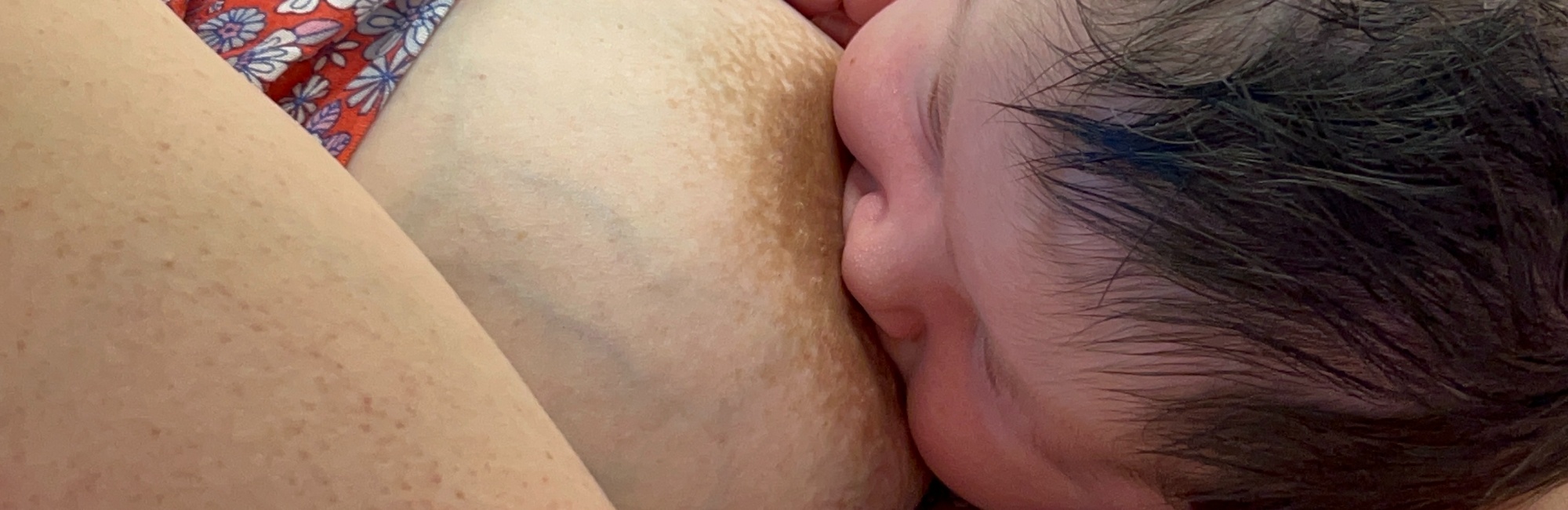
Start with baby's face planted into upper breast above nipple and areolar in order to activate mammalian reflexes Start with baby's face skin-to-skin between breasts on chest in order to activate mammalian reflexes, requires mother to remove her clothing and significantly time intensive
Avoid shaping breast with hand to prevent breast tissue drag Avoid shaping breast with hand to prevent breast tissue drag
Symmetrical face-breast bury (Thompson et al 2016)
Maternal education of concept of optimising intra-oral breast tissue volume using knitted breast
Maternal education of concept of the landing pad using knitted breast
Maternal education of concept of breast tissue drag using knitted breast
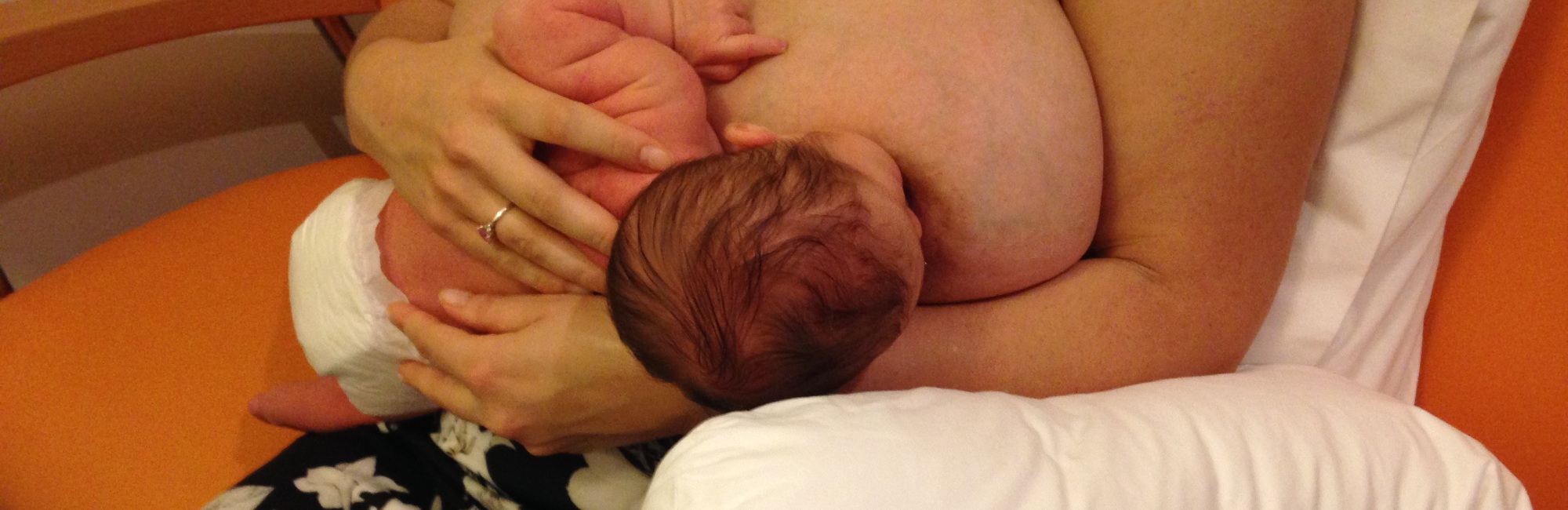
Hands-on support on woman's forearm by health professional, to help her lay down neurological pathways of micromovements
Pain scale 0-10 so woman can practice attending to sensation, report changes to clinician, and become empowered by her capacity to eliminate pain or discomfort with micromovements
Firm cushion support under elbow to optimise positional stability without maternal neck and shoulder muscle tension
Take 3 smart phone images to help parents remember at home
Use of strategies from Acceptance and Commitment Therapy for mindfulness, attention to breast and nipple sensation, and baby's subtle cues
Integrated with the evidence-based neurobiological model of unsettled infant behaviour (explanation re dial on sympathetic nervous system)
Avoid burping rituals
Ribcage wrap optimises biomechanics of suck in newborns

Finished

share this article

Next up in An ultrasound study shows intra-oral changes with the gestalt method equivalent to changes post-frenotomy

Ultrasound and vacuum studies elucidate the biomechanics of the infant suck cycle in breastfeeding

X

Intra-oral depth

Ultrasound imaging demonstrates that when the infant’s tongue is up during breastfeeding, the mid-tongue rests against the hard palate, the junction of the hard and soft palate, and the soft palate, sealing the oral cavity from the pharynx. An oral cavity seal is also required at the breast-face interface to generate baseline vacuum.

  • When the tongue is up, the intra-oral depth (IOD) is measured between the junction of the hard and soft palate (HSPJ) and the highest part of the tongue. The IOD when the tongue is up is often but not always 0 mm in successfully breastfeeding pairs.

  • That is, the apposition of the tongue and palate which comprises the…

Keep reading
logo‑possums

Possums in your inbox

Evidence-based insights, tips, and tools. Occasional updates.

For parents

parents homebrowse all programsfind answers nowprograms in audiogroup sessions with dr pam

For professionals

possums for professionals
(the ndc institute)
guest speakers

About

the science behind possums/ndcwho we arendc research publicationsdr pam’s books

More resources

free resourcesdr pam’s blog

Clinical consultation

consult with dr pamfind a possums clinicfind an ndc accredited practitioner

Help & support

contact usfaqour social enterpriseprivacy policyterms & conditions

Social

instagramlinked infacebook

Possums acknowledges the traditional owners of the lands upon which The Possums Programs have been created, the Yuggera and Turrbal Peoples. We acknowledge that First Nations have breastfed, slept with, and lovingly raised their children on Australian lands for at least 65,000 years, to become the oldest continuous living culture on Earth. Possums stands with the Uluru Statement from the Heart.