
All parent educational programs, including videos

Your baby is not broken, you are not to blame, and your intuition is not wrong. Families often feel overwhelmed by conflicting and ineffective advice. Possums translates the latest science into comprehensive, self-paced programs and support for baby and toddler breastfeeding, sleep, crying, and development, as well as for maternal and parental mental health and wellbeing. We work with your child's evolutionary biology, not against it, to help you grow joy in early life.
Start free
Built from Dr Pamela Douglas' 30+ peer-reviewed research papers. Shown to improve outcomes in 10 independent university-led evaluations so far. 10,000+ families helped since 2011.








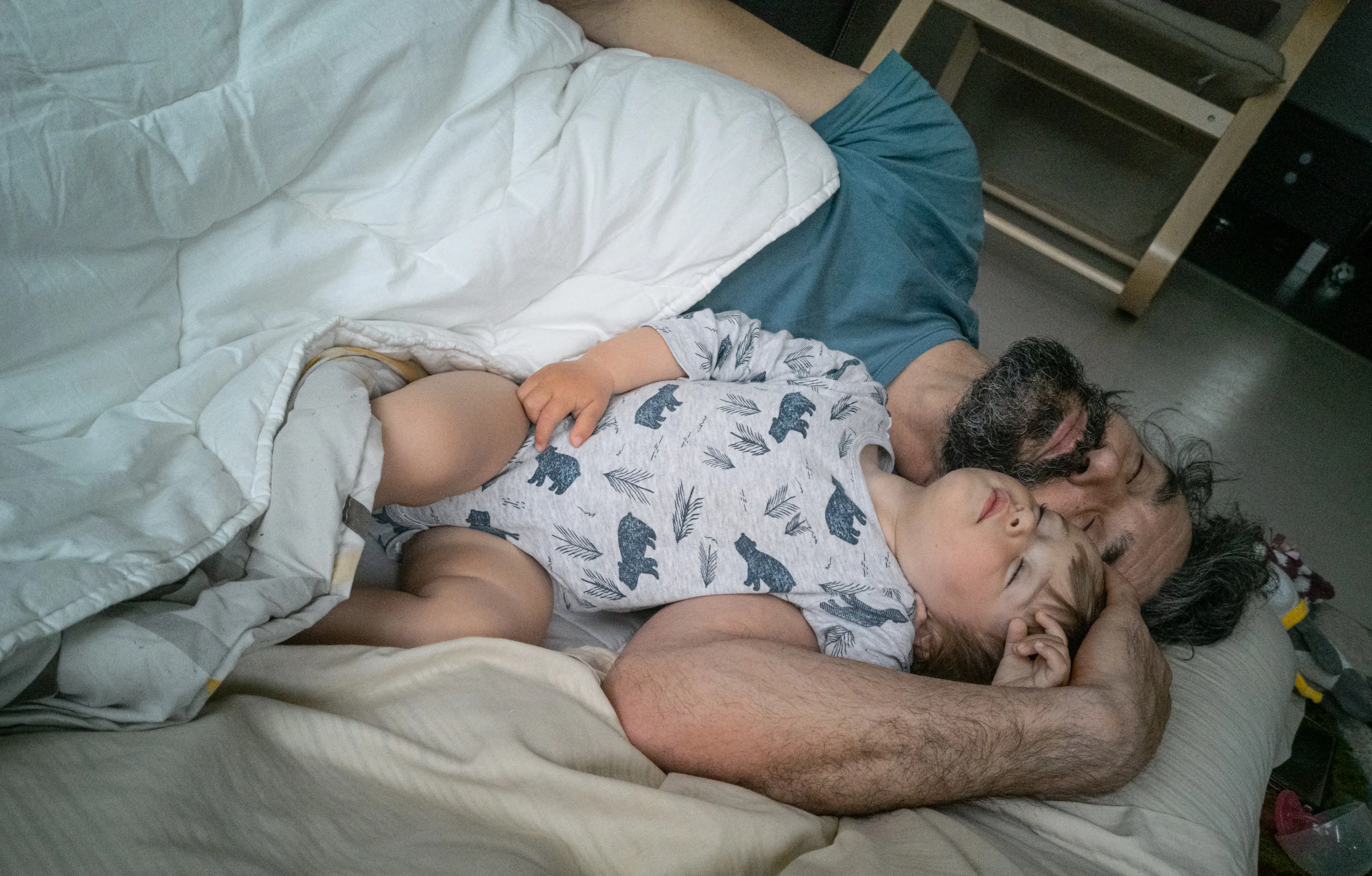


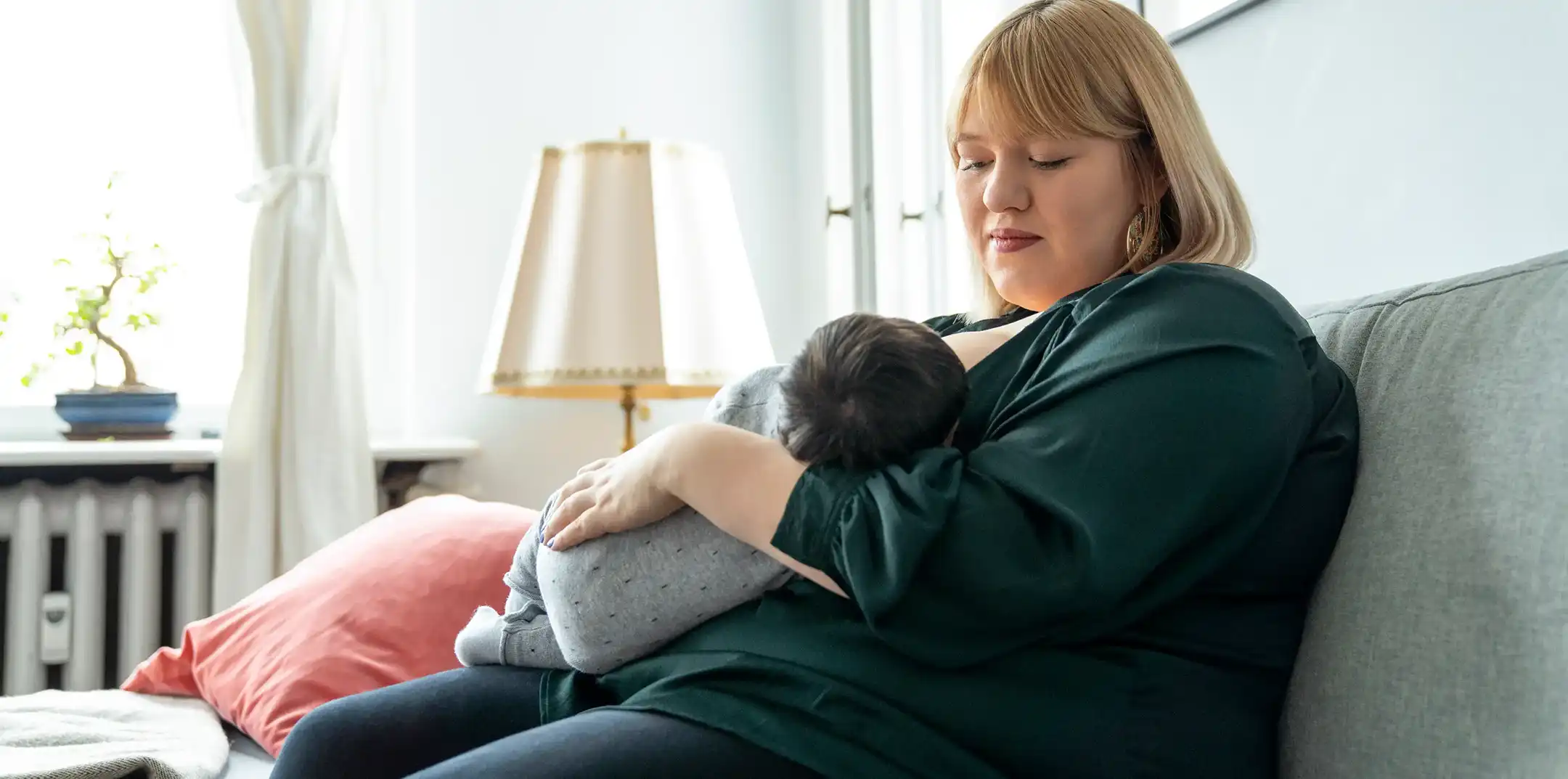
Many parents arrive at Possums exhausted and distressed after being surrounded by conflicting advice or trying to follow rules. Everyone wanting to help your family claims their approach is evidence-based, but many health professionals have not been trained to critically analyse research. As a result, parents encounter high levels of ineffective treatments and unnecessary pathologisation of their baby, while treatable problems remain overlooked. Separating out help for breastfeeding problems from help for sleep or cry-fuss problems can also be a reason why advice doesn’t work.
Possums offers the first set of early life programs built on the knowledge that all aspects of breastfeeding, feeds, and infant care are interconnected, affecting each other, and unable to be treated in isolation. We understand that each child is different and each family is unique. Our evidence-based and evolutionarily aligned programs build on what works with real families in real clinical practice.
The Possums Programs, known scientifically as Neuroprotective Developmental Care (NDC), cut through the conflicting advice. We help you understand what's happening in your own situation so that you can make informed, values-aligned decisions. We help you resolve or prevent the challenges that arise across our domains of early life care.
Your preparation for parenthood
Your breastfeeding enjoyment and success — avoiding unnecessary treatments
Your baby or toddler's healthy sleep patterns — without leaving your little one to cry
Your child's secure attachment
Your own emotional wellbeing
Your evolutionarily aligned bottle feeding, if you're using a bottle
Your child's sensory motor development
Your baby’s transition to solids and your toddler’s relationship with food
Hover over a journal to read its findings.

The findings of the present study provide initial evidence for the effectiveness of the Possums Sleep Intervention…
Whittingham et al (2020) `Evaluating the “possums” health professional training in parent–infant sleep`, Infant Mental Health Journal, 41(5), pp. 603-613.
…the approach was found to be acceptable to parents and perceived by them to align parent and infant needs, improve their quality of life, and reduce their focus on perceived infant sleep problems.
Ball et al (2018) 'The Possums Infant Sleep Program: parents' perspectives on a novel parent-infant sleep intervention in Australia', Sleep Health: Journal of the National Sleep Foundation, 4(6), pp. 519-526.

… A clear positive effect on the quality of emotional availability in the relationship, at least as perceived by mothers. As such, the intervention appears to have a positive effect on the environment that supports good sleep.
Closson et al (2020) `Evaluation of possums sleep intervention: A pilot feasibility study`, Journal of Nursing Education and Practice, 10(2), pp. 15–23.

… A promising tool for promoting parental attitude and behaviour-change, that aims to adjust parental expectations and reduce negative thinking around infant sleep, promote responsive infant care in the face of infant-related sleep disruption and fatigue, and support parental well-being during the first year of parenthood.
Ball et al (2020) `Development and evaluation of "Sleep, Baby & You"—An approach to supporting parental well-being and responsive infant caregiving`, Plos One, 15(8), e0237240.

The Possum infant sleep program provided equivalent positive results on sleep parameters compared to usual care while advocating a more cued response. The critical difference was evident in sustained breastfeeding.
Öztürk, et al (2021) `Possums-based parental education for infant sleep: cued care resulting in sustained breastfeeding`, European Journal of Pediatrics, 180(6), pp. 1769–1776.

These encouraging results support the hypothesis that the gestalt approach to fit and hold increases intra-oral breast tissue volume by eliminating conflicting vectors of force.
Perrella et al (2022), ‘A brief gestalt intervention changes ultrasound measures of tongue movement during breastfeeding: case series’, BMC Pregnancy and Childbirth, 22(94).

Preliminary evaluation demonstrates decreased duration of evening and night-time crying and improved maternal mood 3-4 weeks after intervention.
Douglas et al (2013), ‘Preliminary evaluation of a primary care intervention for cry-fuss behaviours in the first 3-4 months of life (‘The Possums Approach’): effects on cry-fuss behaviours and maternal mood’, Australian Journal of Primary Health, 21, pp:38-45
Findings of this study are consistent with access to NDC/ Possums services being efficacious for infants’ crying, maternal perception of their baby’s sleep problems, maternal sleep satisfaction, maternal experiential avoidance and maternal risk of postnatal depression… These preliminary findings suggest that NDC/Possums programs are effective and are relevant to public health, clinical practice, and health professional education settings.
Crawford et al (2022), ‘An evaluation of Neuroprotective Developmental Care (NDC/Possums Programs) in the First 12 Months of Life’, Matern Child Health Journal, 26, pp.110-123

Mothers in this study found that NDC supported them to balance a range of different occupations flexibly, including leisure and social occupations and occupations to care for themselves.
Crawford et al (2023), ‘New perspectives on responsive infant care: A qualitative study of the ways in which Neuroprotective Developmental Care (NDC) shapes mother-infant co-occupations’, Journal of Occupational Science, 31, pp.337-353.
Tenth evaluation completed. Publication forthcoming.


Comprehensive care from before birth into toddlerhood, in the learning format that works for you.
All parent educational programs, including videos

Group education sessions with Dr Pam

Audio versions of selected programs
The Possums Programs offer wrap-around support across the interconnected ecosystem of early life, from before birth through toddlerhood. Select a topic to learn more.
Start with what's in front of you, and you'll have Possums for whatever early life brings next.
Try Possums Basic for 7 days for . If it's helping, upgrade within 14 days and we'll credit your payment toward any long-term plan.

Full plans start at . All plans come with a minimum of two years access, so you're supported throughout the early years with your child.
I had a horrible experience with postpartum anxiety and depression and was hospitalised twice before my son was even 4 months old. And then I found Pam's Possums Programs… you've saved my sanity and gave me a sense of power in a time I felt powerless. Your work is life changing.
Hayley
My breastfeeding issues have completely turned around. My oversupply has resolved, my son’s gut issues have improved, and our entire breastfeeding experience has become so much more enjoyable… Posssums is a complete baby and mother and family life guide and I wish everyone knew about it!
Laura
We received lots of advice from all different kinds of experts, including numerous health professionals. Nothing seemed to work… The NDC programme brought happiness back into our lives: our baby boy started to flourish and so did we.
Marthe
I struggled with breastfeeding for 7 weeks, on a stressful cycle of pumping, feeding with supply line, weighing, monitoring/timing, topping up and seeing multiple health professionals with contradicting advice that made little sense to me and seemed to increase anxiety... Long story short, everything improved… I am so grateful for the NDC approach.
Hannah
The Possums Programme has been transformative for me as a parent. I lived in fear… When I discovered Possums, it was like a switch flipped in my brain… bedtimes and nights are so much easier than they were, and our days are infinitely more fun and exciting.
Laura
[NDC/Possums] transformed my experience… I was able to prepare myself for breastfeeding and have an almost pain free experience, without the suffering and tongue tie diagnosis that we experienced with our first baby. The approach to sleep was also a game changer.
Tegan






A Possums Clinic is a hub for trusted clinical support, where all practitioners and providers are trained and licensed to deliver Neuroprotective Developmental Care (NDC or Possums).
An NDC Accredited Practitioner is a registered health professional extensively trained by Dr Pamela Douglas, and the only type of health professional qualified to deliver Neuroprotective Developmental Care (NDC or Possums) to patients.
 Practitioner-supported pricing
Families working with licensed clinics and practitioners can access reduced pricing for all parent programs on possums.org. Ask your practitioner for more information during your appointment.

-fotor-2023070918501.jpg)

Baby Sleep (0-12 months)


Read more
Sleep is under the control of the two sleep regulators, which are the body clock and the sleep homeostat. The body clock is set by a consistent wake-up time, and sleep pressure is best supported by living days full of activity and rich sensory motor nourishment – which is generally found outside the home.

PBL Foundations
Read more
Your hormones have prepared your breasts. The most important thing for your milk supply after the birth is frequent and flexible breastfeeds, even though only small volumes of colostrum are transferred at first. Your baby’s frequent suckling at the breast (which they often do for comfort or sensory motor nourishment as much as for feeds) determines the settings of your supply. However, it’s possible to repair milk production even when it’s hasn’t worked to have baby at the breast as much as you might have wished in the first days or weeks. Breastfeeding usually works much more easily long-term if your newborn is feeding frequently and flexibly (or milk is being removed frequently and flexibly) right from the start.

Baby Sleep (0-12 months)
Read more
Most commonly, babies don’t sleep because of disruptions to their circadian clock or lack of sleep pressure, not because of things like gut pain, or overtiredness or overstimulation, though you might often hear these said. For example, the circadian clock is commonly disrupted by long blocks of sleep during the day, which are promoted by sleep training approaches. We suggest working through The Possums Sleep Program to learn more.
PBL Foundations
Read more
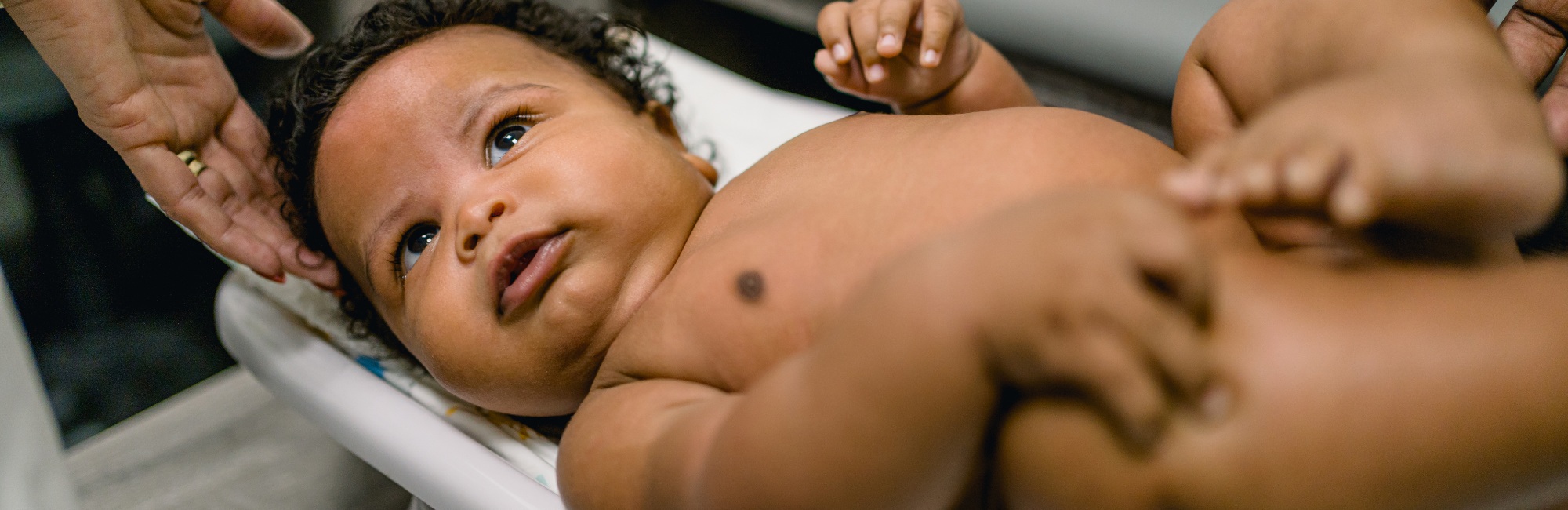
There are two main ways of knowing that your baby is getting enough milk: 1. That their body is filling out, becoming plumper, feeling heavier, outgrowing garments, with good wees and poos, and 2. Your health professional weighs your baby on specially designed scales for infants.

Toddler Sleep (12-36 months)
Read more
Toddler sleep needs are highly variable. Some toddlers need a lot more sleep in a 24-hour period than other toddlers! High sleep need toddlers might even need up to 15 hours in a 24-hour period, and low sleep need toddlers might only need 8 or 9 hours. Both are normal, and both high and low sleep need toddlers will have normal developmental outcomes. The problem parents often run into is expecting a toddler to sleep for longer than they need, as this can result in excessive night waking. The corresponding article might be of interest to you.


Caring for You
Read more
Physical or psychological trauma (an experience reported by a concerning number of women in relation to giving birth), serious sleep deprivation, and major life changes can powerfully affect emotional wellbeing and mental health. From an evolutionary perspective, the maternal mind has evolved to focus on the negative as a protective mechanism, be it in the past, present, or worst case possible future scenarios. Your brain will be hypervigilant in the months after birth. There are amazing evolutionary advantages to this but it can come with very real downsides and impacts upon our mental health. Many factors go into causing postnatal anxiety and depression, which requires your local health professional’s support. But an overly busy mind, full with a lot of distressing thoughts, is an important factor. Fortunately, there are strategies proven to help protect our mental health in the perinatal period. We hope you’ll find it very helpful to work through Possums’ Caring For You program .


Little People + Food
Read more
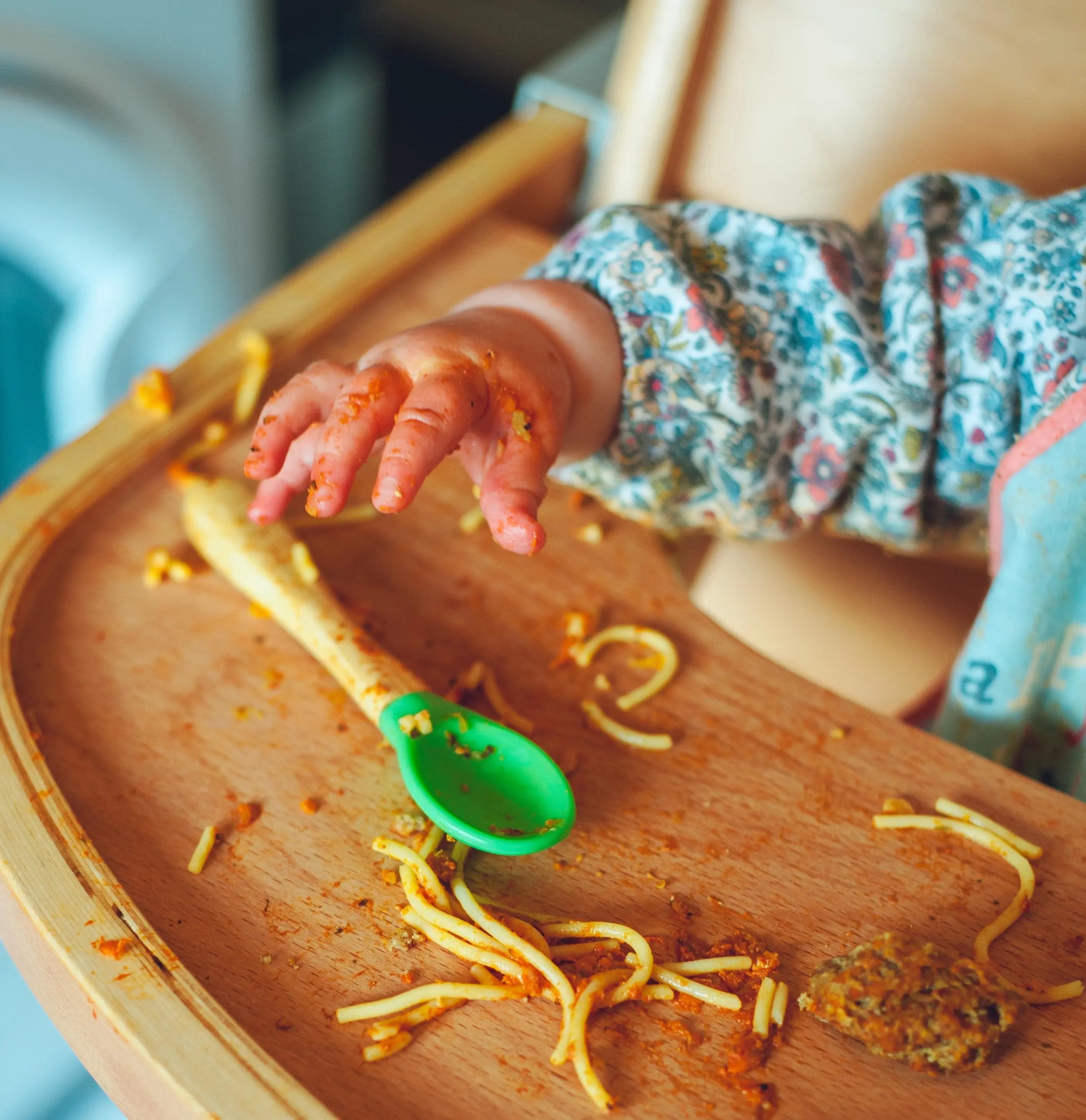
You’ll find there is a huge amount of advice if you search for this online, which might make you feel under a lot of pressure, but the Possums approach to starting solids is simple and relaxed. Solids in your baby’s tummy doesn’t improve sleep, so there is no need to rush when you start them. You don’t need to start solids before about six months if your baby is breastfed. You can read more in the corresponding article.
You can access The Possums Programs as a parent by signing up by clicking on any of the "get access" or "sign up" buttons. Then, the easiest way is to navigate to "browse all programs" from the header/menu or from your dashboard to get underway.
Signing up to The Possums Programs gives you access to all the main Possums programs for parents, covering breastfeeding, sleep, feeds, cry-fuss problems, before birth, parent mental health + emotional wellbeing, and little people + food.
Possums Premium plans come with the ability to talk directly to Dr Pamela Douglas in group education sessions, audio of select programs, and the Advanced Possums Breastfeeding & Lactation Program.
The Possums approach is a pioneering, science-backed way to support babies, toddlers, and their parents developed by Dr Pamela Douglas, an Australian GP, researcher, Breastfeeding Medicine Physician, IBCLC, published author and academic with nearly four decades of clinical experience.
Possums doesn't try to change what is already working for families. Instead, Possums equips parents with genuinely evidence-based information about baby and toddler sleep, feeding, crying, development, parental wellbeing and more, so parents feel confident to make their own decisions, because parents are the experts on their own families.
Distinguished by rigorous peer-reviewed research (it has an evidence-base of more than 30 published peer-reviewed studies) iterative development, transparent evaluation, and its evolutionarily aligned framework, the Possums approach is widely reported by parents as empowering, natural, flexible, connected, and effective in both addressing and preventing many early life problems.
At Possums, we see our job as to provide you with evidence-based information and to empower you with the knowledge to then make your own decisions. Each child, each parent, and each family is different, and you are the expert on your own unique family. We try to avoid prescriptive, rigid approaches, as not only are different children different biologically, but also because rigid approaches often set parents up to fail or even cause further difficulty down the track. Instead, we encourage you to gather up our information and then experiment to find what works best for you and your family in your own situation. There’s no one correct way through – just your way and what works for you and your little one. Experimenting is your secret strength.















 Find a Possums clinic
 Find an NDC practitioner