The Possums Programs, or Neuroprotective Developmental Care (NDC), offer a uniquely evidence-based, holistic framework for infant and parent care. Dr Pamela Douglas has developed NDC over the past 25 years using best-practice implementation science, informed by her almost four decades of clinical practice.
The Possums approach is truly neuroprotective, for both infants and parents. It works with a child’s evolutionary biology, not against it, to safeguard the rapidly developing brain, gut, immune system and stress response during the first critical months of life. We promote secure attachment by supporting babies’ needs for closeness, frequent flexible feeding, and responsive care – and bring you state-of-the-art help for any breastfeeding or unsettled behaviours which might arise. Importantly, Possums (or NDC) also offers a range of mental health strategies which support parents’ psychological wellbeing and resilience.
The research and development of the Possums Programs (NDC) began in the 1990s, in response to the needs of families seen by Dr Pam in her clinical practice as an Australian GP.
Even today, much of the advice parents receive when they have a baby or toddler doesn’t align with the evidence, even when it’s promoted as evidence-based. This results in unnecessary stress and distress for families, who receive worrying amounts of conflicting advice, unnecessary diagnoses, and ineffective treatments.
The Possums (NDC) Programs emerged from comprehensive evaluation of all available evidence, interpreted through the interdisciplinary lenses of evolutionary biology, complexity science and holistic generalist care. Dr Pam has published these findings in international journals, resulting in about 30 peer-reviewed research publications and evaluations to date.
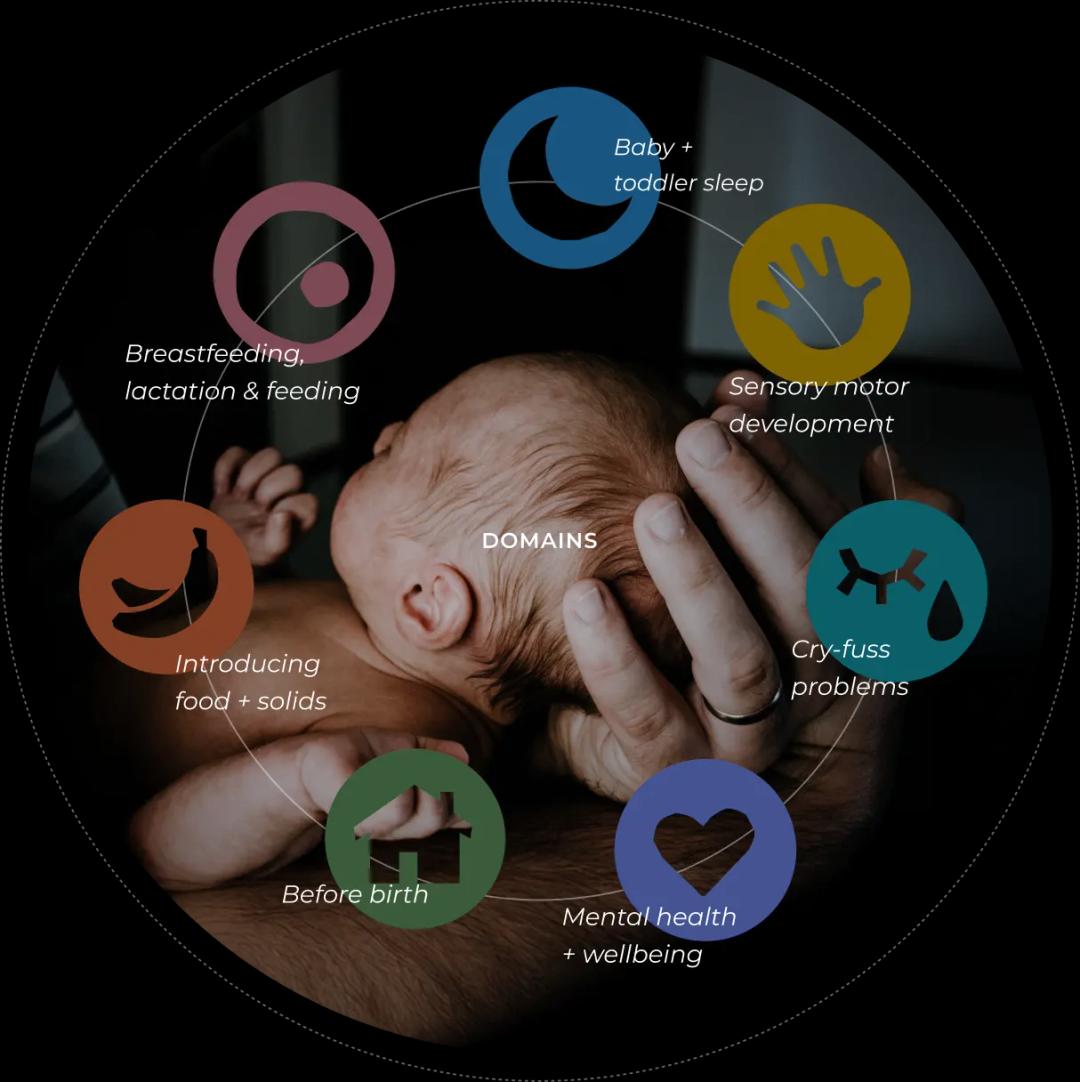
The Possums programs (NDC) have been breaking new ground scientifically in their domains since their initial release in 2011. Possums/NDC doesn't separate breastfeeding out from sleep or sensory motor development or cry-fuss problems or mental health, but knows these areas interact and need to be considered together. Possums/NDC is the first comprehensive set of early life care programs internationally to translate multiple groundbreaking concepts into clinical and educational practice.
Possums is built on the frameworks of complexity science, evolutionary biology and transdisciplinary generalism. Our programs uniquely integrate mechanobiology into breastfeeding and the neurosciences of sensory motor development and environmental enrichment into infant mental health. We pioneer the integration of circadian medicine, nature therapy, social prescribing, Acceptance and Commitment Therapy (ACT) and Compassionate Mind Training (CMT) for the support of family wellbeing.
Learn about everything we integrate and why below:


ACT is a psychological approach to mental health and well-being which is supported by strong evidence. The Possums programs have been early adopters of ACT strategies, adapting ACT for mothers and parents in the perinatal period. ACT helps parents live with psychological flexibility, behaving in the present moment in ways that align with their values, rather than being controlled by difficult or painful thoughts and feelings, or by externally imposed rules. ACT creates new neurological pathways over time and nurtures mental and emotional resilience.

Chronobiology is the study of the biological rhythms which result from the Earth’s rotation, including how these physiological and behavioural rhythms, regulated by the circadian clock, affect human health and disease. The field of circadian medicine has grown out of chronobiology, using the interactions between the circadian clock and human physiology to improve health. From 2011, The Possums Sleep Program has been the international leader in translation of circadian medicine into help for families with infants, offering unique solutions for unnecessarily disrupted infant sleep.

Compassionate Mind Training explores how to relate to ourselves with great kindness and self-compassion as we navigate the challenges of life, including the inevitable times of grief or emotional pain or sadness. A growing number of research studies show that self-compassion promotes both mental and emotional wellbeing in the perinatal period. The Possums programs adapts a range of self-compassion strategies for use by those who are caring for a baby or toddler, to support mental and emotional resilience.

Complexity science is the study of how multiple factors interact together and co-evolve within a biological systems, since systems can’t be understood by the behaviour of any one factor alone. Complex adaptive systems, such as a mother and infant, or family and child, are non-linear, and show the range of properties typical of complex systems. If we understand these properties, such as inbuilt resilience and self-organisation, the butterfly effect, or the way simplistic interventions (including overdiagnoses and overtreatments) might trigger unexpected outcomes, we are better able to understand how to help that complex system self-organise and flourish. The Possums programs are built upon a foundational frame of complexity science.

Environmental enrichment, also known as sensory motor nourishment in the Possums programs, is the exposure of an infant to experiences which contain enhanced opportunities for sensory, motor, cognitive and social stimulation. Possums pioneers integration of the concept of environmental enrichment into programs for families with babies and toddlers, firstly, by supporting parents to plan and enjoy days outside the low sensory interior environments of our homes, and secondly, by offering parents the eight steps of the Possums or NDC evolutionary bodywork approach to the support of infant motor development.
Evolutionary biology is the study of the evolutionary processes which have given rise to the magnificent diversity of life on Earth. Evolutionary biology teaches that the biology of the human infant evolved in Homo sapiens’ environment of evolutionary adaptedness, and that a mismatch between 21st century culture and the infant’s biological expectation can give rise to a range of distressing problems, which make life more difficult than it needs to be for families. The Possums programs are fundamentally concerned with workability, sensible responsiveness to infant communications or cues, and the translation of evidence into programs which address the evolution-culture mismatch, but which work practically in women’s and families’ complex 21st century lives.
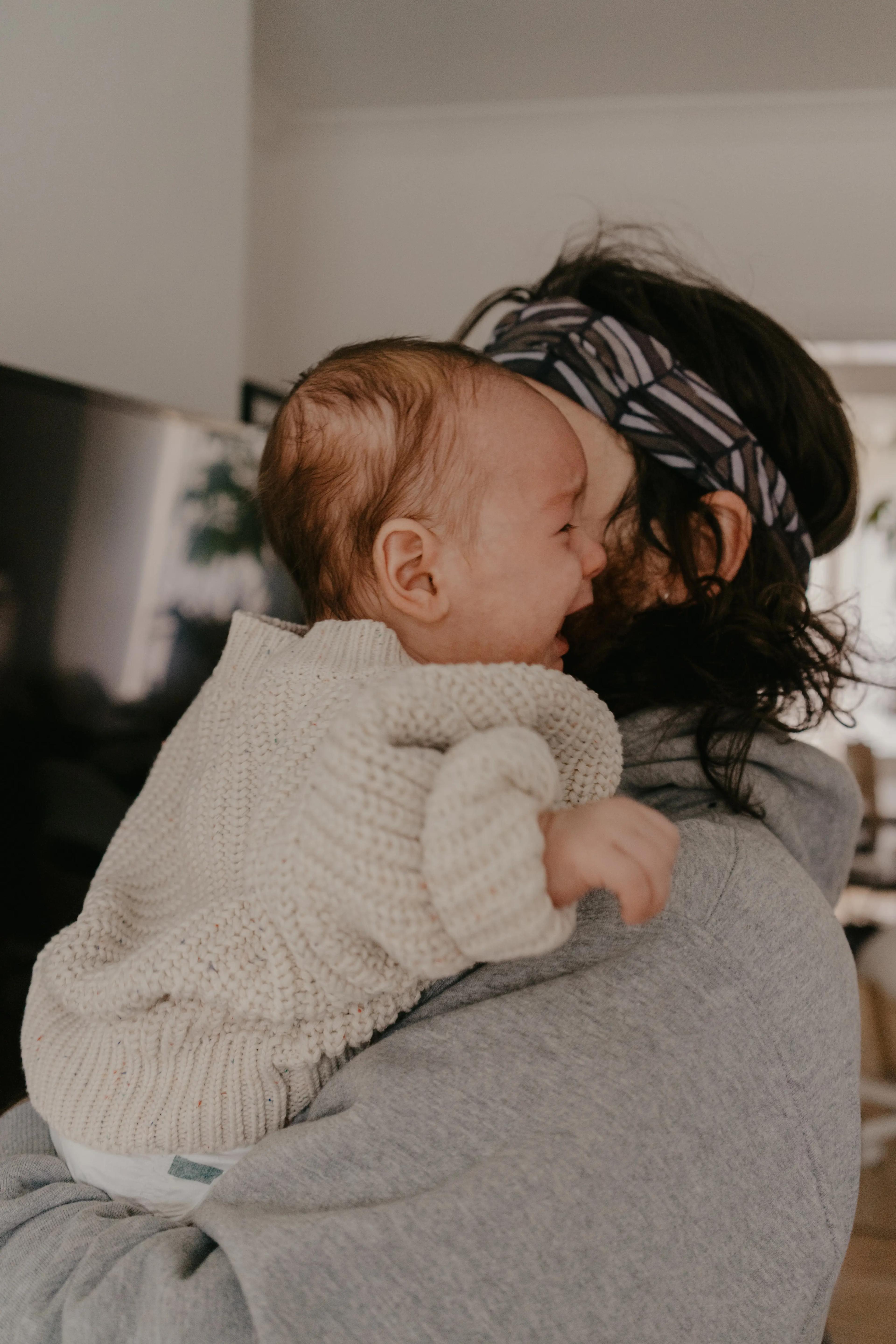
Infant mental health support focuses on early emotional and social development. It recognizes the importance of bonding, attachment, and nurturing environments for infants as foundational for good lifelong mental health and relationships. The Possums programs understand that excessive crying in the first months of life and also the problem of conditioned sympathetic nervous system hyperarousal pose infant mental health challenges, with significant effects on parent mental health too. The pioneering Possums 5-domain approach to the baby who cries a lot in the first months of life helps families dial their little one down, and helps repair conditioned dialling up. The Possums programs are committed to growing joy in early life.

Mechanobiology is the study of the effects of physical or mechanical forces upon biological tissues, and includes study of how mechanical forces affect human health and development. The Possums programs uniquely integrate mechanobiology into our groundbreaking clinical approaches to breastfeeding problems. The NDC mechanobiological model of breast inflammation and nipple pain or damage, and the gestalt method of fit and hold, both uniquely consider the effects of mechanical forces, microscopically when considering tissue inflammation and damage, and also behaviourally when considering positional stability.

Nature therapy describes the use of nature to improve human health. Research shows that time spent in parks, the bush or forests, backyards, and gardens, or time spent close to creeks, rivers, and the sea, improve cognitive function, reduce stress, and boost mood in adults. The Possums programs have pioneered the integration of nature therapy into our early life programs, considering exposure to the natural environment as a rich form of rich and diverse sensory motor stimulation, which keeps little ones dialled down and promotes families’ mental and physical health.
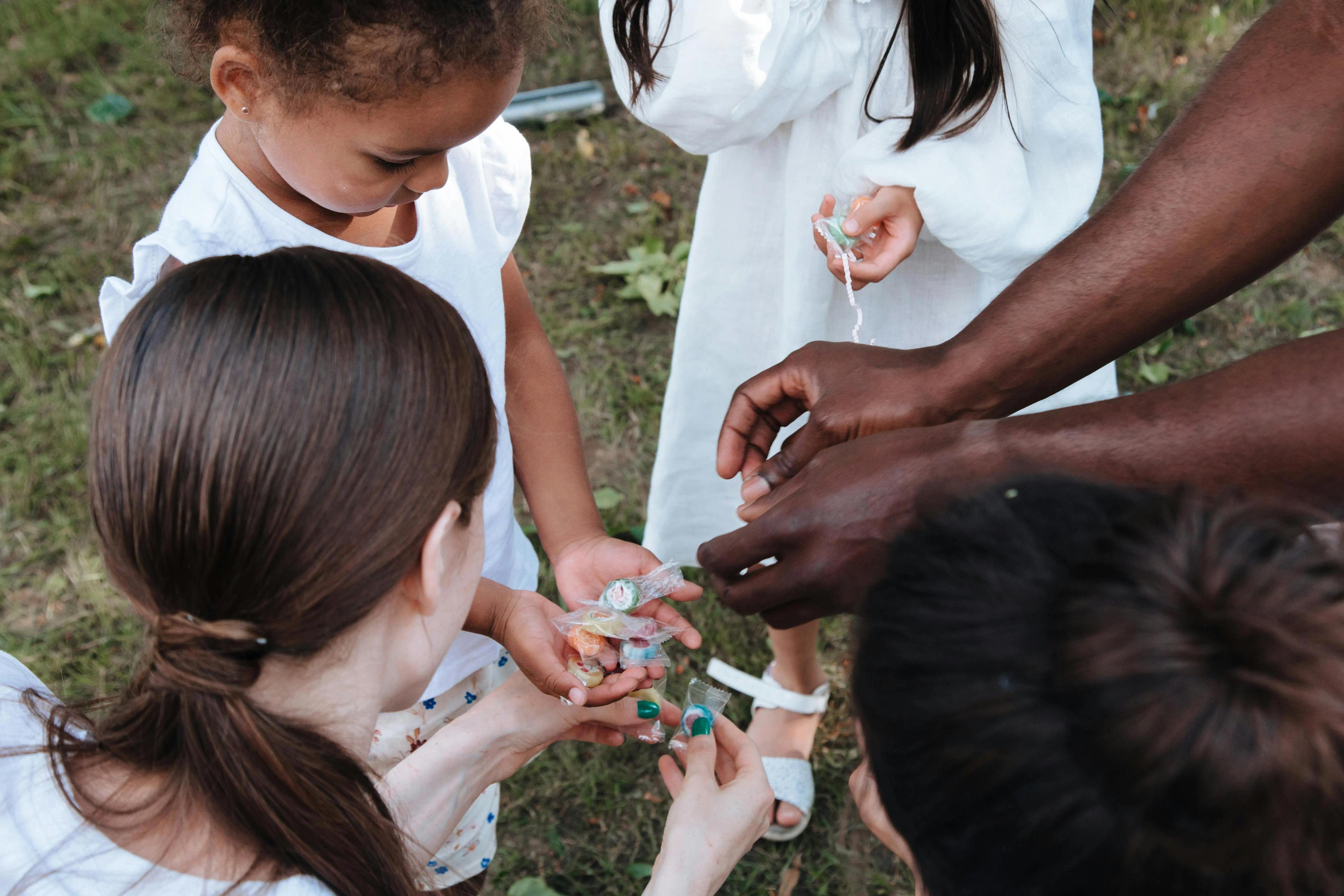
Social prescribing links families to non-clinical support networks through groups, services, and activities. Social prescribing helps address broader social, emotional, and practical needs of parents and infants through community resources, and is integral to the Possums programs.
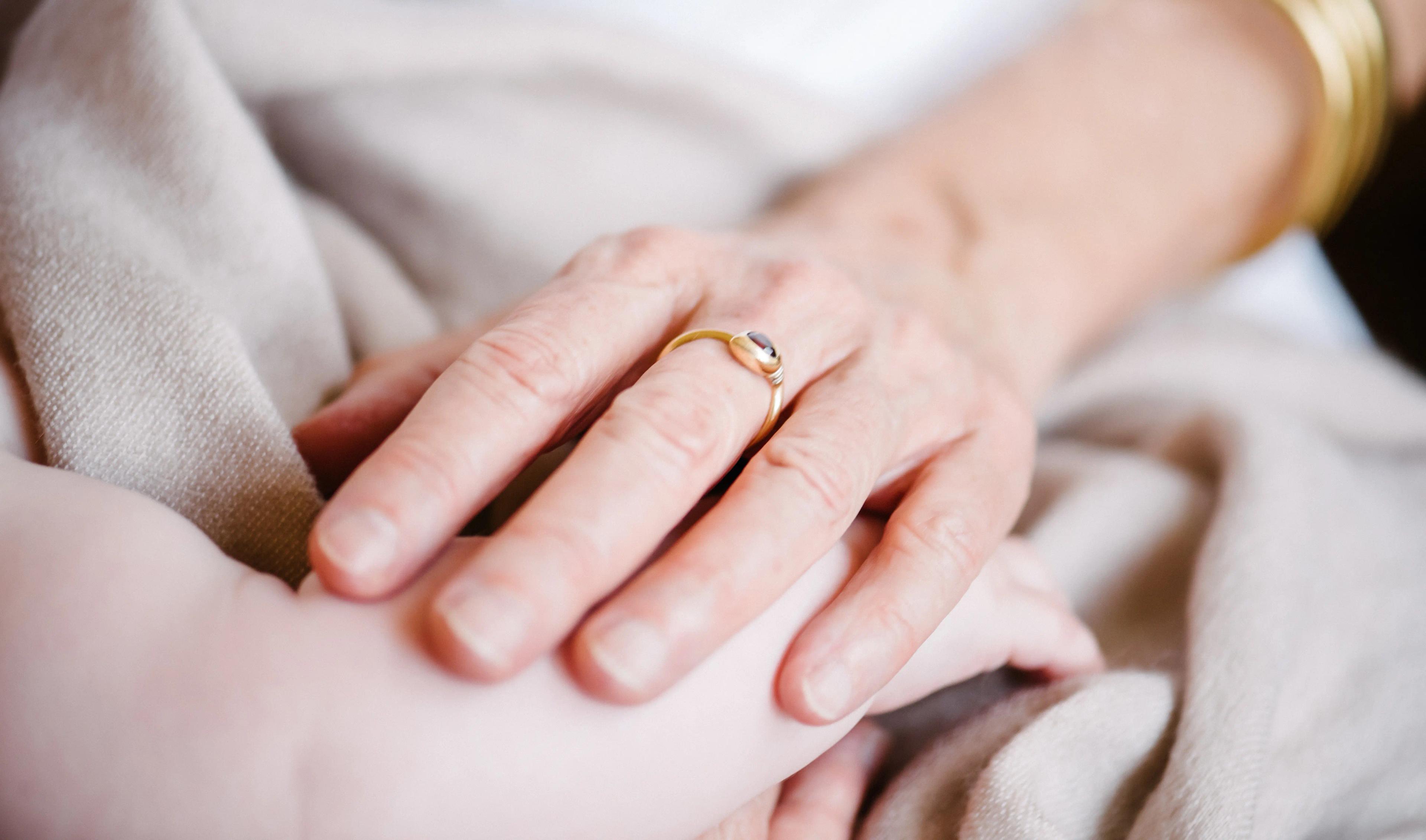
Transdisciplinary generalism refers to the the clinical practice and research lens of the generalist primary care clinician (general practitioner or family physician). It is characterised by whole person care, being fundamentally concerned not only with the biomedical but the psychosocial, cultural, and spiritual dimensions of human health. Transdisciplinary generalism engages the complexity of physical and mental health challenges, paying special attention to the context in which they arise, integrating understandings from multiple disciplines. Transdisciplinary generalism collaborates with patients or clients to co-create participatory approaches to health and wellbeing. Because Dr Pam is a proud Australian GP, the Possums or NDC programs have been created using the skillsets of transdisciplinary generalism.