
Possums Basic
- All standard Possums Parent Programs, including videos
- No group sessions with Dr Pam
- No audio access
- No access to Possums’ advanced breastfeeding program (PBL Advanced)

Effective wraparound support from before birth into toddlerhood, built from the evidence and backed by research.
Select plan length to see prices:
FOR ONE CHILD (OR TWINS)
Start with a 7-day experience of Possums Basic for . Upgrade within 14 days and we'll credit your payment toward any long-term plan.
This program has truly changed our lives.
Emily
The only reason I'm unsubscribing is because your content is SO GOOD that my 'problems' (reason for signing up) have been solved.
Megan
[Dr Pam/Possums] saved my feeding journey with my son.
Kim
I was feeling so overwhelmed and inundated by different sources of conflicting advice. Dr. Douglas's voice felt so intuitively right… [Possums/NDC] was such a godsend for me in those infant months. I am forever grateful.
Sarah
I cannot overstate how helpful Dr Pam’s teaching were for me and my family.
Lara
Dr Pam gave me the greatest gift that anybody could ask for and that is enjoyment of the early months with my first child. This has benefited us both more than I can describe.
Fionnghuala
Hover over a journal to read its findings.

The findings of the present study provide initial evidence for the effectiveness of the Possums Sleep Intervention…
Whittingham et al (2020) `Evaluating the “possums” health professional training in parent–infant sleep`, Infant Mental Health Journal, 41(5), pp. 603-613.
…the approach was found to be acceptable to parents and perceived by them to align parent and infant needs, improve their quality of life, and reduce their focus on perceived infant sleep problems.
Ball et al (2018) 'The Possums Infant Sleep Program: parents' perspectives on a novel parent-infant sleep intervention in Australia', Sleep Health: Journal of the National Sleep Foundation, 4(6), pp. 519-526.

… A clear positive effect on the quality of emotional availability in the relationship, at least as perceived by mothers. As such, the intervention appears to have a positive effect on the environment that supports good sleep.
Closson et al (2020) `Evaluation of possums sleep intervention: A pilot feasibility study`, Journal of Nursing Education and Practice, 10(2), pp. 15–23.

… A promising tool for promoting parental attitude and behaviour-change, that aims to adjust parental expectations and reduce negative thinking around infant sleep, promote responsive infant care in the face of infant-related sleep disruption and fatigue, and support parental well-being during the first year of parenthood.
Ball et al (2020) `Development and evaluation of "Sleep, Baby & You"—An approach to supporting parental well-being and responsive infant caregiving`, Plos One, 15(8), e0237240.

The Possum infant sleep program provided equivalent positive results on sleep parameters compared to usual care while advocating a more cued response. The critical difference was evident in sustained breastfeeding.
Öztürk, et al (2021) `Possums-based parental education for infant sleep: cued care resulting in sustained breastfeeding`, European Journal of Pediatrics, 180(6), pp. 1769–1776.

These encouraging results support the hypothesis that the gestalt approach to fit and hold increases intra-oral breast tissue volume by eliminating conflicting vectors of force.
Perrella et al (2022), ‘A brief gestalt intervention changes ultrasound measures of tongue movement during breastfeeding: case series’, BMC Pregnancy and Childbirth, 22(94).

Preliminary evaluation demonstrates decreased duration of evening and night-time crying and improved maternal mood 3-4 weeks after intervention.
Douglas et al (2013), ‘Preliminary evaluation of a primary care intervention for cry-fuss behaviours in the first 3-4 months of life (‘The Possums Approach’): effects on cry-fuss behaviours and maternal mood’, Australian Journal of Primary Health, 21, pp:38-45
Findings of this study are consistent with access to NDC/ Possums services being efficacious for infants’ crying, maternal perception of their baby’s sleep problems, maternal sleep satisfaction, maternal experiential avoidance and maternal risk of postnatal depression… These preliminary findings suggest that NDC/Possums programs are effective and are relevant to public health, clinical practice, and health professional education settings.
Crawford et al (2022), ‘An evaluation of Neuroprotective Developmental Care (NDC/Possums Programs) in the First 12 Months of Life’, Matern Child Health Journal, 26, pp.110-123

Mothers in this study found that NDC supported them to balance a range of different occupations flexibly, including leisure and social occupations and occupations to care for themselves.
Crawford et al (2023), ‘New perspectives on responsive infant care: A qualitative study of the ways in which Neuroprotective Developmental Care (NDC) shapes mother-infant co-occupations’, Journal of Occupational Science, 31, pp.337-353.
Tenth evaluation completed. Publication forthcoming.
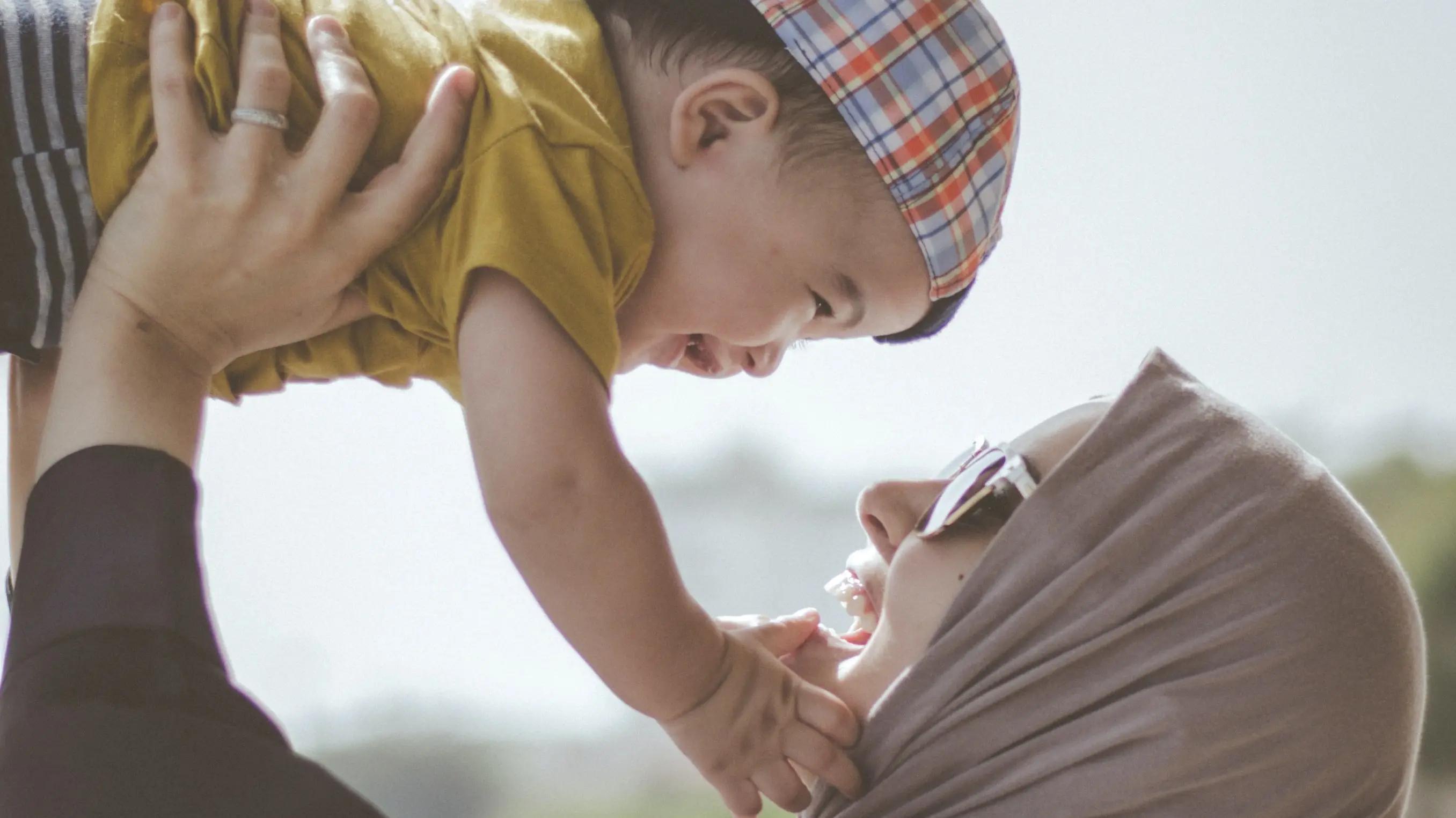

Possums parent case studies, stories & demostrations.


Go to program


If you are pregnant & preparing for birth or for when baby comes home, we recommend completing this program.
Go to program
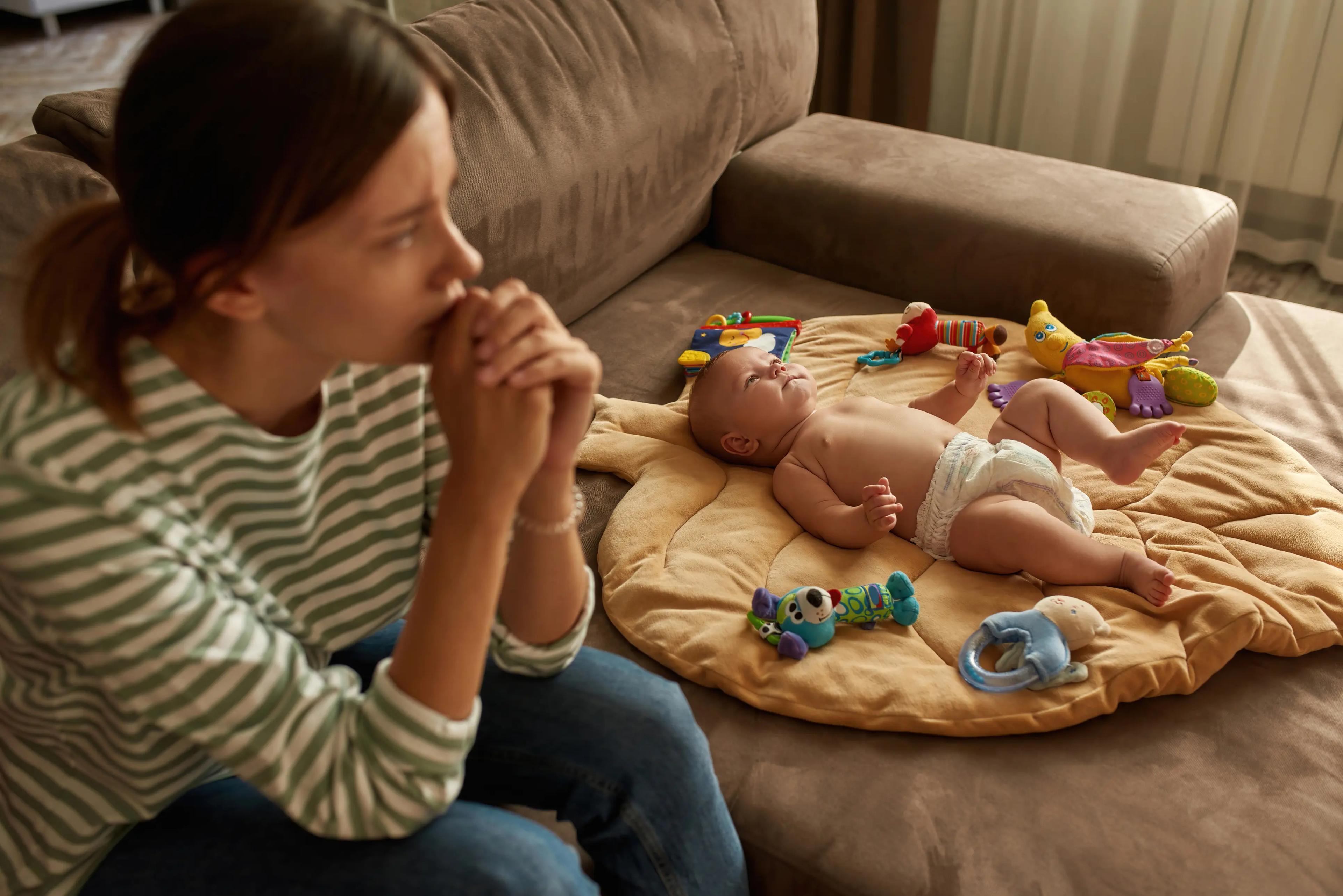

This program supports your emotional & mental well-being, helping you navigate early parenting challenges with confidence & resilience.
Go to program


Learn how you can protect your small childs neuromuscular development & sensory integration using the principles of evolutionary bodywork.
Go to program


This brief & simple program helps parents address underlying causes of excessive crying, creating a calmer & more connected experience with baby
Go to program
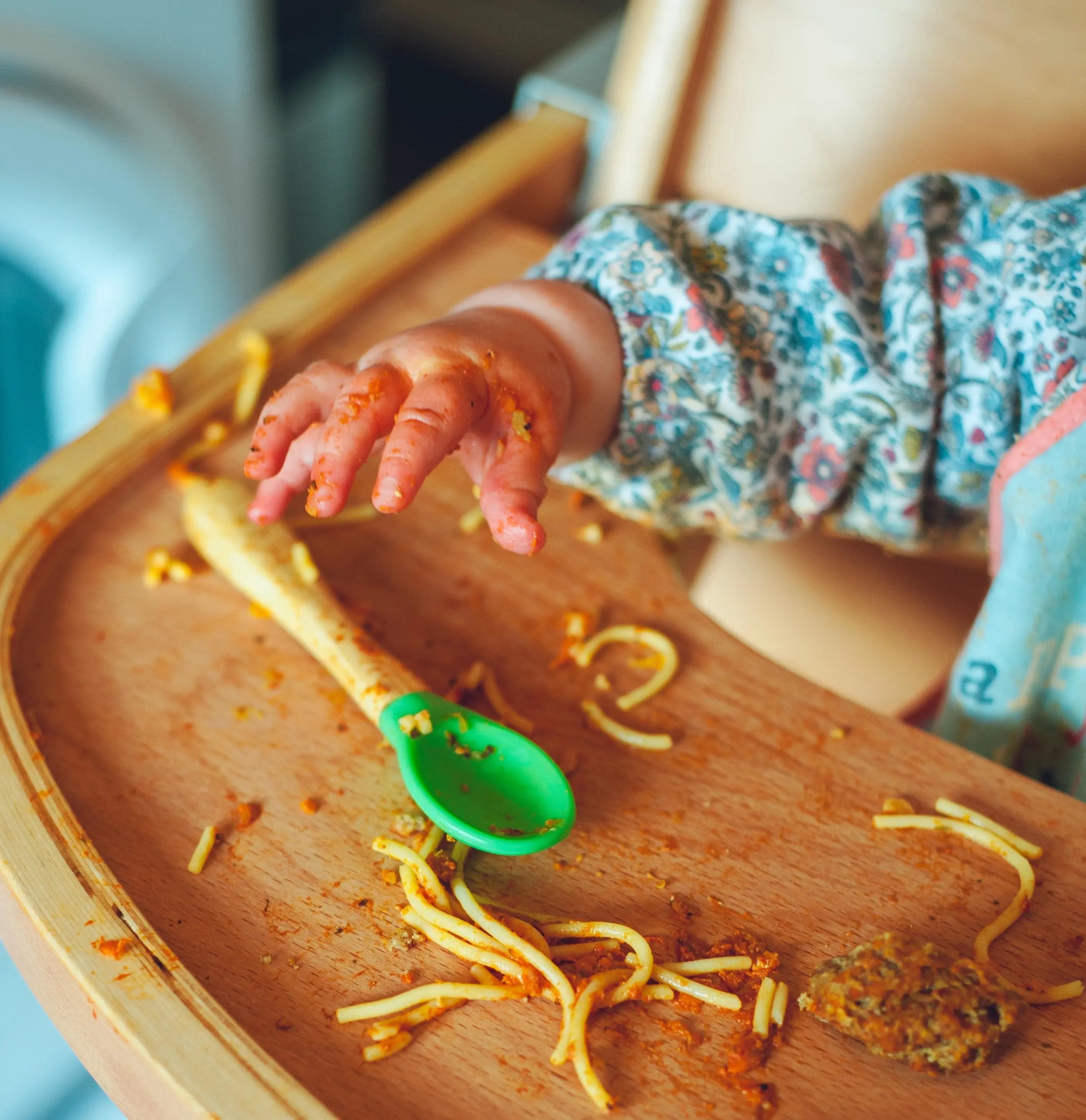

This program provides guidance on introducing solids & nurturing a healthy & happy relationship with food as your little one grows.
Go to program


An essential program for newborn & baby sleep safety, covering sleep position, place (including co-sleeping), temperature, & more.
Go to program

For parents in sleep crisis, these programs offer immediate guidance. Programs include newborn, baby & toddler sleep emergency.
Go to program

This program summarizes the main Possums baby (0-12 months) sleep concepts in only ~45 minutes, so you can start making changes immediately.
Go to program
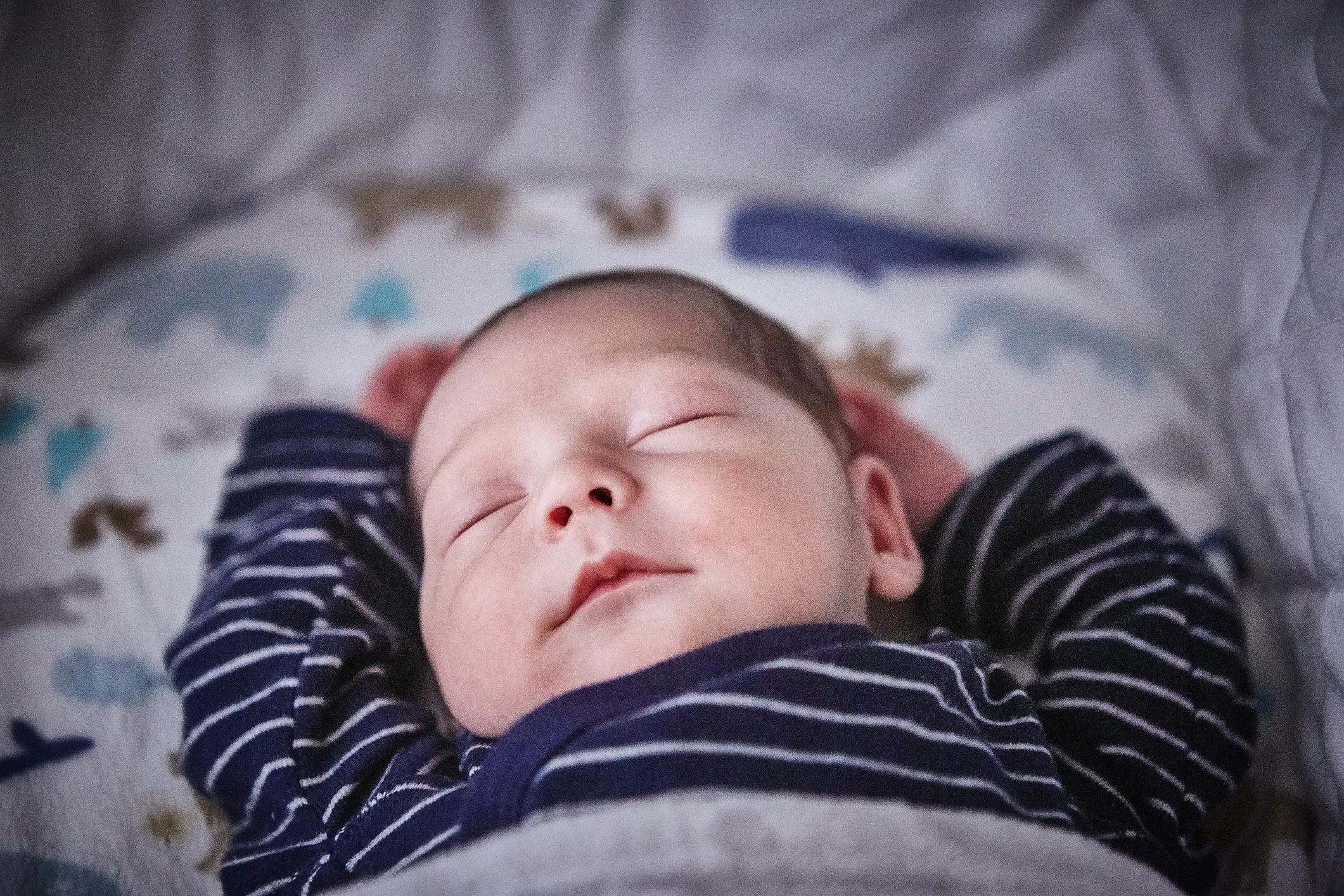
This is The Possums Baby Sleep Program, covering everything you need to know about baby sleep A-Z. For parents with children 0–12 months.
Go to program

This program summarises the main Possums toddler (12-36 months) sleep concepts in only ~35 minutes, so you can start making changes immediately.
Go to program
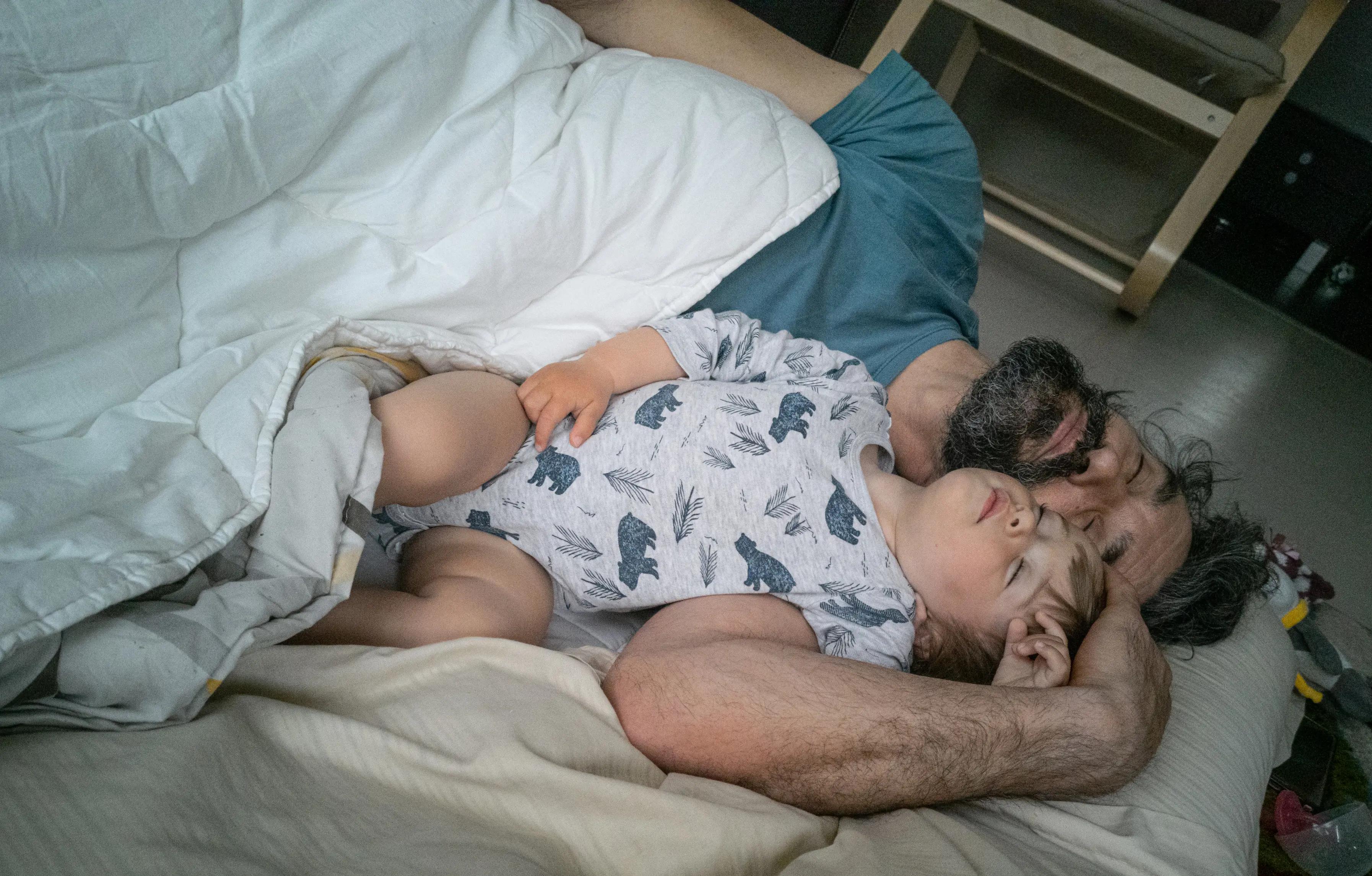
This is The Possums Toddler Sleep Program, covering everything you need to know about toddler sleep A-Z. For parents with children 12–36 months.
Go to program


PBL Foundations addresses all the main breastfeeding and lactation issues to help you find solutions as fast as possible.
Go to program

PBL Intermediate builds on PBL Foundations with more detailed help, also exploring sociocultural contexts that have shaped and still shape breastfeeding advice.
Go to program
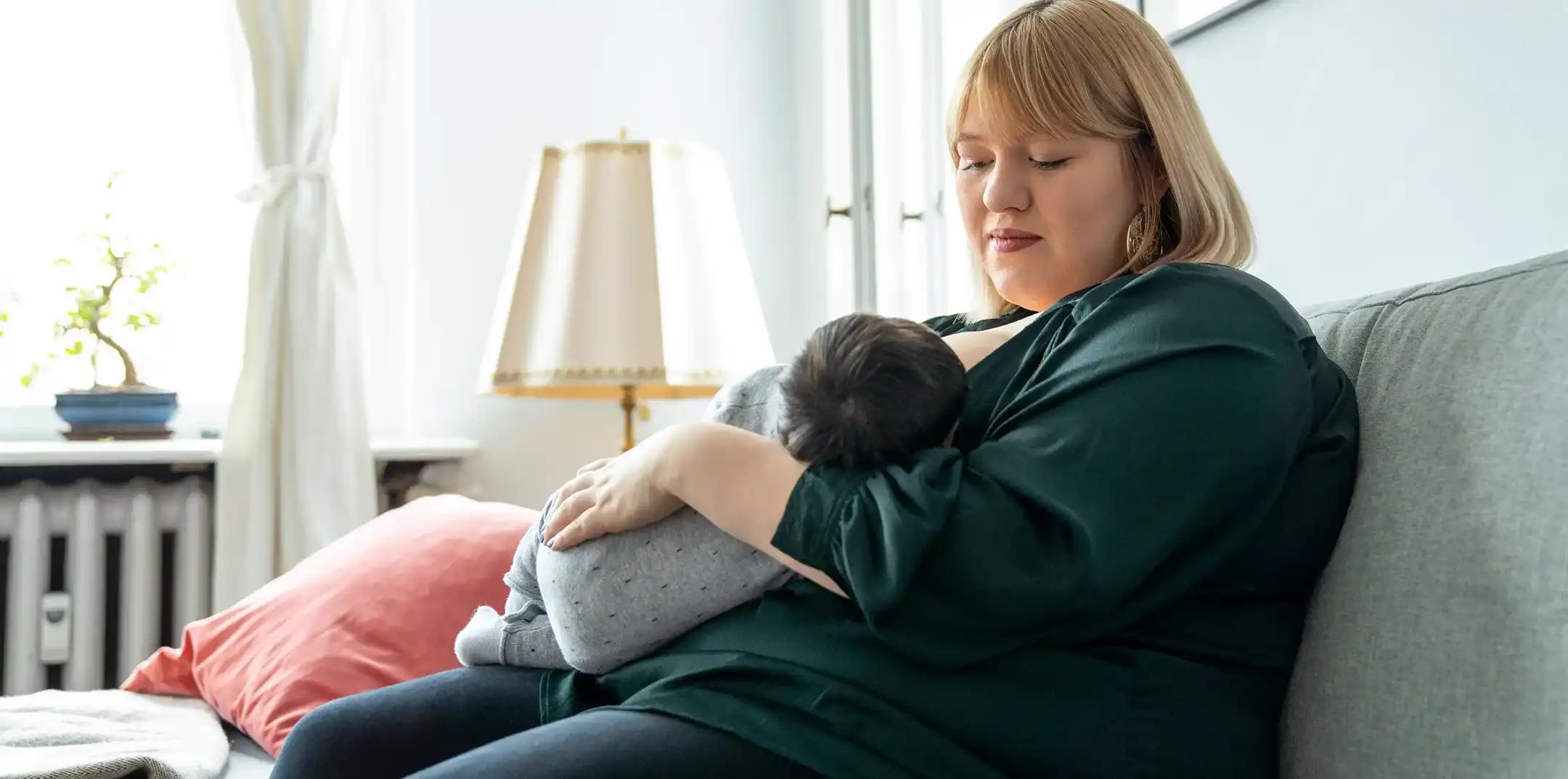
PBL Advanced is for healthcare providers or scientifically minded parents, who want to dive deep into lactation research and advanced clinical methods.
Go to program
 All standard Possums Parent Programs, including videos
 No group sessions with Dr Pam