Logo - The Possums baby and toddler sleep program.
parents home
librarybrowse all programsfind answers nowaudioprograms in audiogroup sessionsgroup sessions with dr pam
menu icon NDC Institute
possums for professionals
(the ndc institute)
menu icon eventsguest speakers
menu icon the sciencethe science behind possums/ndcmenu icon who we arewho we aremenu icon evidence basendc research publicationsmenu icon dr pam's booksdr pam's books
menu icon free resourcesfree resourcesmenu icon dr pam's blogdr pam's blog
menu icon consult with dr pamconsult with dr pammenu icon consult with dr pamfind a possums clinicmenu icon find a NDC accredited practitionerfind an ndc accredited practitioner
login-iconlogin

Welcome back!

Forgot password
get access
search

Search programs

PBL Intermediate icon

PBL Intermediate


  • Eight-week-old Jamal who'd previously been unable to feed from his generous-breasted mother has a long drink at her breast then falls asleep in our consultation
  • Janine and two other generous-breasted women demonstrate fit and hold strategies which they found helpful
  • How Janine uses a rolled up facecloth to better expose her generous breast's 'landing pad'

Next article

Sign up now
  • PBL Intermediate
  • S4: Getting fit and hold right for you and your baby
  • CH 3: Using the gestalt method to trouble shoot problems
  • PT 3.2: When your breasts are generous

How Janine uses a rolled up facecloth to better expose her generous breast's 'landing pad'
Dr Pamela Douglas10th of Jan 202610th of Jan 2026

x

This article follows on from the story of how Janine (and two other generous-breasted women) used fit and hold strategies to help with breastfeeding problems, found here.

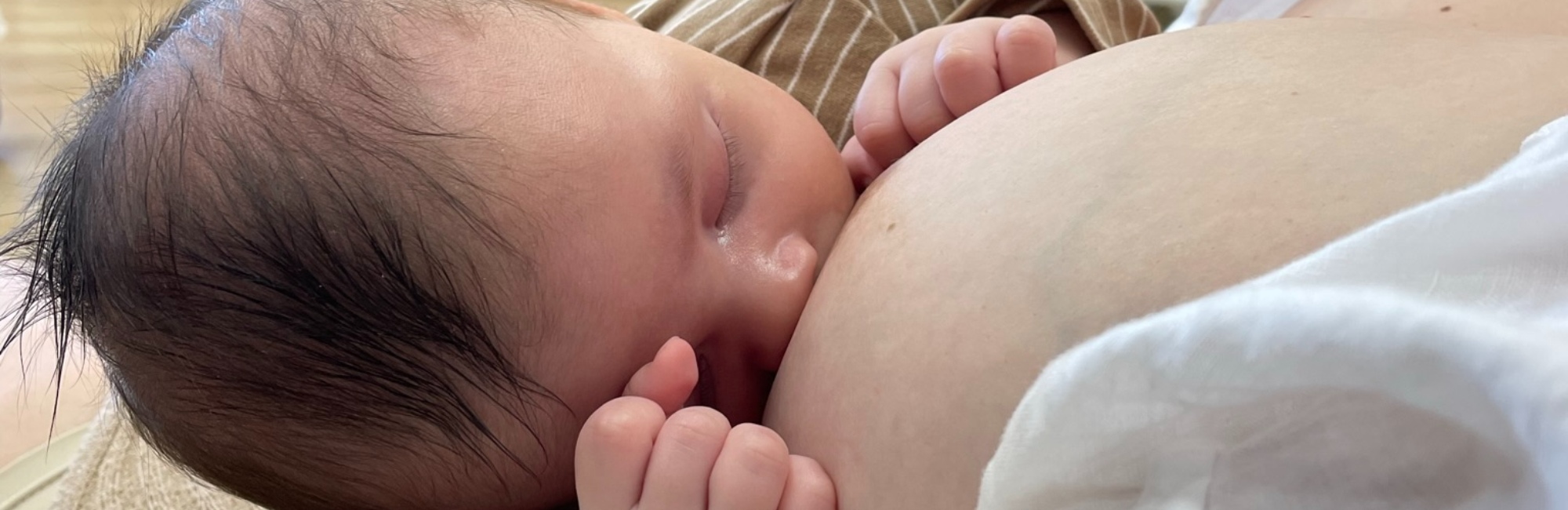
Photo 1: not enough exposure of the landing pad

The photo below shows the fall of Janine's left breast. She has her bra rolled tightly inwards and tucked up high where her breast meets her rib-cage, which partly lifts and exposes the landing pad.

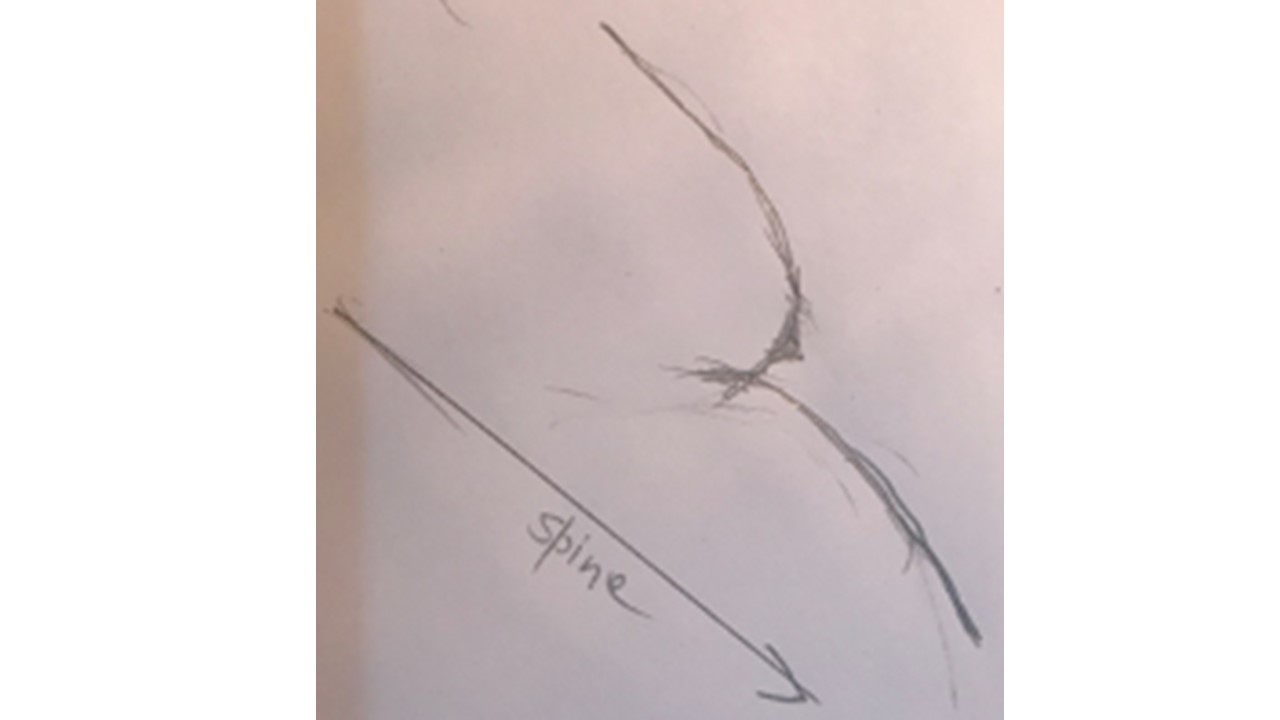
However, you can see that it could be challenging bringing her baby to the breast for a deep face-breast bury, because of the way the landing pad of her breast rests very close to her tummy. Breastfeeding problems (like nipple pain, or baby fussing at the breast) might arise from this very common kind of breast-belly contour (although there aren't any problems, then you don't need to change anything). Her baby don't just need a deep face-breast bury - baby's shoulders need to sit in a plane that is straight on (not curved away over her tummy), so that the baby doesn't need to rotate his head and neck to feed.

When Janine's baby is snuggled in closely, there is a rotation or twist of her baby's little spine and neck, because there isn't enough room to fit in the whole of her body and shoulders in close to her mother's body without twisting (or rotating) baby's neck, spine or pelvis. A similar biomechanical challenge can occur with diverse breast shapes and sizes, including petite breasts, and relates to breast-tummy contour.

The result for this mother is nipple and breast tissue drag, accompanied by persistent nipple pain and damage.

x

Photo 2: using a rolled up face washer to better expose the landing pad

Because Janine already uses her bra in daily life to help expose the landing pad, as above, we found that the smaller facecloth (white) tucked in tightly on top of the bra, helped to better expose the landing pad.

A larger rolled up facecloth proved too big, because it slipped out when we experimented with it. We don't want a rolled up facecloth to either fall out or impinge upon the landing pad! Perhaps when Janine is not wearing a bra, the larger rolled up facecloth will be best. She will go home and experiment, now that she understands what she's trying to achieve.

Other resources listed below in Possums Breastfeeding & Lactation show you how the facewasher, folded in half, is being rolled, and what to watch out for. The cloth

  • Needs to be rolled up very tightly, and

  • Shouldn't protrude much beyond the width of the breast, or it might get in the way and make it harder for baby to snuggle in very close to your body and find a stable position.

x

Recommended resources

PBL Intermediate

Janine and two other generous-breasted women demonstrate fit and hold strategies which they found helpful

How to roll up a facecloth for better exposure of your breast's 'landing pad' (+ when this doesn't work!)

Things to watch out for if you're experimenting with a rolled up cloth under your breast + a word about the 'breastfeeding buddy' product

Sally shows why it helps to notice your breast-belly contour (as well as the direction your nipples look) as you prepare to breastfeed

Why it's often best not to shape your breast with your hand though some women need to

Eight-week-old Jamal who'd previously been unable to feed from his generous-breasted mother has a long drink at her breast then falls asleep in our consultation

Woman-centred language and weight-inclusive care of breastfeeding and lactating women

What does the research tell us about approaches to fit and hold currently used for breastfeeding support?

Finished

share this article

Next up in When your breasts are petite

What's helpful to know about fitting baby into your petite breast?

x

Your breast size doesn't determine the amount of milk you can make

Just to be clear up front, having a petite breast doesn't mean that you'll have any problems making milk! You can find out more about why the size of your breast doesn't affect your capacity to produce milk here.

You can watch a video of a baby breastfeeding beautifully from a petite breast here.

However, here are some things that might be helpful to know if you have a petite breast and challenges arise.

Any bulk of cloth at the base of your breast may interfere with baby’s landing pad

If you do have a delicate breast,…

Keep reading
logo‑possums

Possums in your inbox

Evidence-based insights, tips, and tools. Occasional updates.

For parents

parents homebrowse all programsfind answers nowprograms in audiogroup sessions with dr pam

For professionals

possums for professionals
(the ndc institute)
guest speakers

About

the science behind possums/ndcwho we arendc research publicationsdr pam’s books

More resources

free resourcesdr pam’s blog

Clinical consultation

consult with dr pamfind a possums clinicfind an ndc accredited practitioner

Help & support

contact usfaqour social enterpriseprivacy policyterms & conditions

Social

instagramlinked infacebook

Possums acknowledges the traditional owners of the lands upon which The Possums Programs have been created, the Yuggera and Turrbal Peoples. We acknowledge that First Nations have breastfed, slept with, and lovingly raised their children on Australian lands for at least 65,000 years, to become the oldest continuous living culture on Earth. Possums stands with the Uluru Statement from the Heart.