Logo - The Possums baby and toddler sleep program.
parents home
librarybrowse all programsfind answers nowaudioprograms in audiogroup sessionsgroup sessions with dr pam
menu icon NDC Institute
possums for professionals
(the ndc institute)
menu icon eventsguest speakers
menu icon the sciencethe science behind possums/ndcmenu icon who we arewho we aremenu icon evidence basendc research publicationsmenu icon dr pam's booksdr pam's books
menu icon free resourcesfree resourcesmenu icon dr pam's blogdr pam's blog
menu icon consult with dr pamconsult with dr pammenu icon consult with dr pamfind a possums clinicmenu icon find a NDC accredited practitionerfind an ndc accredited practitioner
login-iconlogin

Welcome back!

Forgot password
get access
search

Search programs

Baby Sleep (0-12 months) icon

Baby Sleep
(0-12 months)


  • Does your baby wake excessively at night because of bedsharing?
  • How quickly should you respond to your baby in the night?
  • Does it help with baby's sleep to delay or space out breastfeeding in the night?
  • Would night weaning help your breastfed baby sleep better?
  • When is it time to stop offering your baby a bottle in the night (if you've been bottle feeding)?
  • Is your baby waking a lot at night because of a developmental leap?
  • Do babies have a four month sleep regression?
  • Is your baby's snoring a problem?
  • Is your baby waking a lot at night because of teething?
  • What to do about night-time sleep when you have multiple babies of the same age – twins, triplets or more?
  • Does a humidifier help your baby or toddler sleep better?

Listen to audio program

Next article

Sign up now
  • Baby Sleep (0-12 months)
  • S4: Night-times
  • CH 3: FAQs

Do babies have a four month sleep regression?
Dr Pamela Douglas20th of Aug 202323rd of May 2025

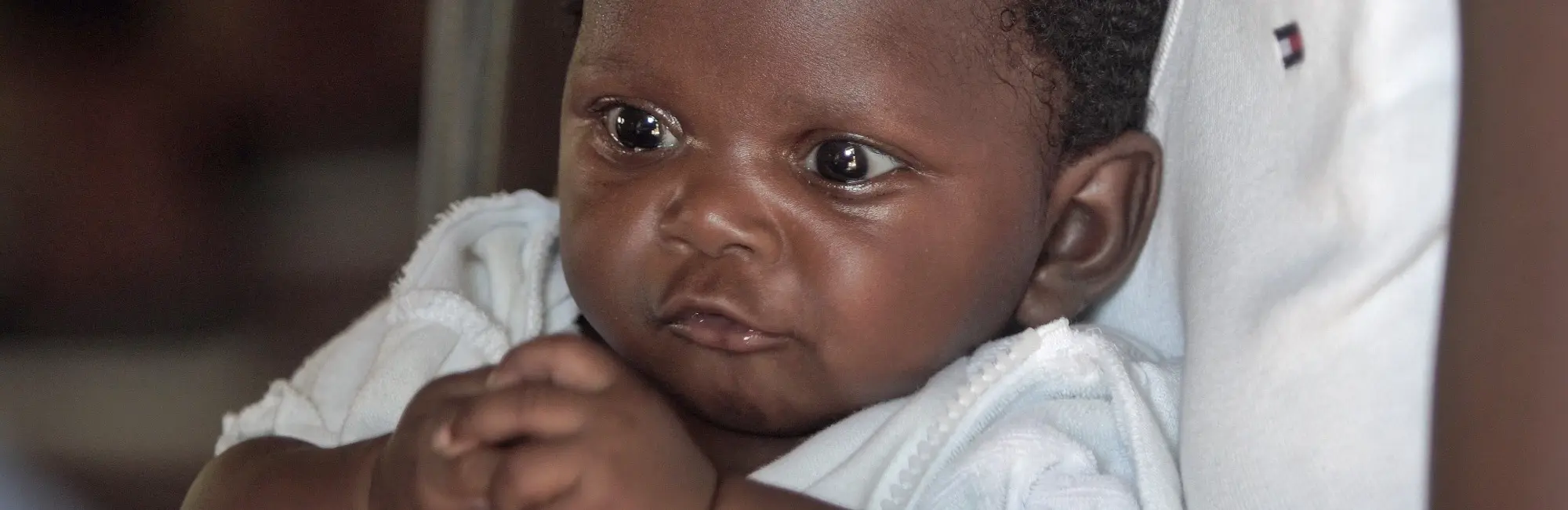
dark skinned baby in white clothes wide awake

Baby sleep needs shrink throughout the first year of life. For example, the amount of sleep babies need often decreases at around four months old. That's why excessive night waking quite often becomes a problem at this time.

You might hear people refer to this as the "four month sleep regression", although I don't use that phrase. It's not really a regression!

It's just that if we are expecting our baby to spend the same amounts of time sleeping after four months as she did in the first few months, we can find that after a few weeks she starts to wake excessively. This is when it's time to do a circadian reset.

To prevent excessive night waking at four months of age (or at any age, actually), you can work in a relaxed way with your baby's two biological sleep regulators, the body clock and the sleep pressure, day by day and week by week. This might mean spending much of the days outside the house, to meet your baby's sensory motor needs, which also incidentally helps meet your social and exercise needs. We want to make the days with baby as relaxed and as enjoyable as possible, for the sake of your night-time sleep!

If your baby's days are full of rich sensory motor nourishment, then your baby won't be in a sleep situation for longer than she needs to be. This protects your night-time sleep. Although it is quite normal for your little one to wake every couple of hours at night even into toddlerhood, keeping her sleep regulators healthy will help avoid excessive night waking, which can be quite awful for families.

Finished

share this article

Next up in FAQs

Is your baby's snoring a problem?

baby sleeping on back

Mostly, excessive night waking is due to a disrupted circadian clock, and can be dealt with by applying the strategies we discuss in The Possums Sleep Program. But occasionally, a baby is woken repeatedly in the night by his own snoring. If your baby is snoring alot in the night, ask your local GP to assess him.

Catching a cold or viral infection blocks up nasal passages and makes your baby snore when sleeping. Some babies have a run of viral infections when they start daycare, or because older…

Keep reading
logo‑possums

Possums in your inbox

Evidence-based insights, tips, and tools. Occasional updates.

For parents

parents homebrowse all programsfind answers nowprograms in audiogroup sessions with dr pam

For professionals

possums for professionals
(the ndc institute)
guest speakers

About

the science behind possums/ndcwho we arendc research publicationsdr pam’s books

More resources

free resourcesdr pam’s blog

Clinical consultation

consult with dr pamfind a possums clinicfind an ndc accredited practitioner

Help & support

contact usfaqour social enterpriseprivacy policyterms & conditions

Social

instagramlinked infacebook

Possums acknowledges the traditional owners of the lands upon which The Possums Programs have been created, the Yuggera and Turrbal Peoples. We acknowledge that First Nations have breastfed, slept with, and lovingly raised their children on Australian lands for at least 65,000 years, to become the oldest continuous living culture on Earth. Possums stands with the Uluru Statement from the Heart.