Logo - The Possums baby and toddler sleep program.
parents home
librarybrowse all programsfind answers nowaudioprograms in audiogroup sessionsgroup sessions with dr pam
menu icon NDC Institute
possums for professionals
(the ndc institute)
menu icon eventsguest speakers
menu icon the sciencethe science behind possums/ndcmenu icon who we arewho we aremenu icon evidence basendc research publicationsmenu icon dr pam's booksdr pam's books
menu icon free resourcesfree resourcesmenu icon dr pam's blogdr pam's blog
menu icon consult with dr pamconsult with dr pammenu icon consult with dr pamfind a possums clinicmenu icon find a NDC accredited practitionerfind an ndc accredited practitioner
login-iconlogin

Welcome back!

Forgot password
get access
search

Search programs

Baby Sleep (0-12 months) icon

Baby Sleep
(0-12 months)


  • Does your baby wake excessively at night because of bedsharing?
  • How quickly should you respond to your baby in the night?
  • Does it help with baby's sleep to delay or space out breastfeeding in the night?
  • Would night weaning help your breastfed baby sleep better?
  • When is it time to stop offering your baby a bottle in the night (if you've been bottle feeding)?
  • Is your baby waking a lot at night because of a developmental leap?
  • Do babies have a four month sleep regression?
  • Is your baby's snoring a problem?
  • Is your baby waking a lot at night because of teething?
  • What to do about night-time sleep when you have multiple babies of the same age – twins, triplets or more?
  • Does a humidifier help your baby or toddler sleep better?

Listen to audio program

Next article

Sign up now
  • Baby Sleep (0-12 months)
  • S4: Night-times
  • CH 3: FAQs

Is your baby waking a lot at night because of a developmental leap?

Dr Pamela Douglas20th of Aug 202321st of May 2024

baby sitting up on floor

Motor development doesn't cause excessive waking at night

Babies not only wake less often as they grow into toddlers, but they move less in the night. Reaching a new motor milestone doesn't result in excessive night waking.

However, researchers have found that

  • Babies do wake more often in the night when they are learning new motor skills, such as sitting, crawling, pulling to stand and walking

  • This increase in night movement and waking is only temporary and disappears after a few days, as the baby becomes more confident in the new motor skill

  • The increased frequency of waking that happens with new motor skills remains within the spectrum of normal night waking (which is around every couple of hours at night).

  • The twitches and jerks or sucking and bigger movements you might observe when your baby is asleep at night are accompanied by bursts of neural activity in the brain. It's possible that twitching and gross motor movements in sleep are ways in which your baby's body practices and develops more mature and complex sensory motor neuronal maps.

You can find out more about your baby's movements during sleep here.

Developmental decreases in the amount of sleep your baby needs over a 24-hour period can result in excessive night waking

Baby sleep needs are not only highly variable, but shrink throughout the first year of life. This means that when there is a change in baby's sleep needs, but we are still asking our little one to be in a sleep situation for the same amount of time, baby's body clock might become disrupted. This can result in excessive waking at night.

You can find out about the way decreasing sleep needs might affect your baby's sleep here.

Selected references

DeMasi A, Horger MN, Scher A, Berger SE. Infant motor development predicts the dynamics of movement during sleep. Infancy. 2023;28:367-387.

Nakagawa A, Naruse M, Heutchy M, Miyachi T. Not sleeping soundly in early infancy is not bad. Acta Paediatrica. 2022;111:2149-2156.
Finished

share this article

Next up in FAQs

Do babies have a four month sleep regression?

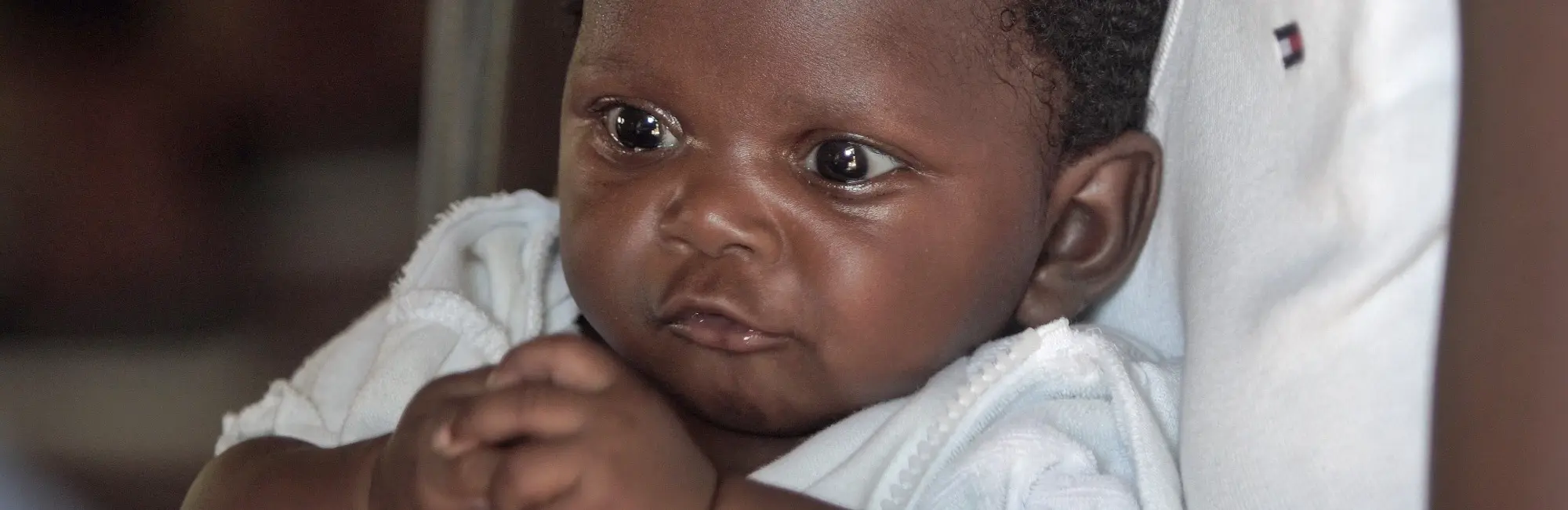
dark skinned baby in white clothes wide awake

Baby sleep needs shrink throughout the first year of life. For example, the amount of sleep babies need often decreases at around four months old. That's why excessive night waking quite often becomes a problem at this time.

You might hear people refer to this as the "four month sleep regression", although I don't use that phrase. It's not really a regression!

It's just that if we are expecting our baby to spend the same amounts of time sleeping after four months as she did in the first few months, we can find that after a few weeks…

Keep reading
logo‑possums

Possums in your inbox

Evidence-based insights, tips, and tools. Occasional updates.

For parents

parents homebrowse all programsfind answers nowprograms in audiogroup sessions with dr pam

For professionals

possums for professionals
(the ndc institute)
guest speakers

About

the science behind possums/ndcwho we arendc research publicationsdr pam’s books

More resources

free resourcesdr pam’s blog

Clinical consultation

consult with dr pamfind a possums clinicfind an ndc accredited practitioner

Help & support

contact usfaqour social enterpriseprivacy policyterms & conditions

Social

instagramlinked infacebook

Possums acknowledges the traditional owners of the lands upon which The Possums Programs have been created, the Yuggera and Turrbal Peoples. We acknowledge that First Nations have breastfed, slept with, and lovingly raised their children on Australian lands for at least 65,000 years, to become the oldest continuous living culture on Earth. Possums stands with the Uluru Statement from the Heart.