Logo - The Possums baby and toddler sleep program.
parents home
librarybrowse all programsfind answers nowaudioprograms in audiogroup sessionsgroup sessions with dr pam
menu icon NDC Institute
possums for professionals
(the ndc institute)
menu icon eventsguest speakers
menu icon the sciencethe science behind possums/ndcmenu icon who we arewho we aremenu icon evidence basendc research publicationsmenu icon dr pam's booksdr pam's books
menu icon free resourcesfree resourcesmenu icon dr pam's blogdr pam's blog
menu icon consult with dr pamconsult with dr pammenu icon consult with dr pamfind a possums clinicmenu icon find a NDC accredited practitionerfind an ndc accredited practitioner
login-iconlogin

Welcome back!

Forgot password
get access
search

Search programs

Baby Sleep (0-12 months) icon

Baby Sleep
(0-12 months)


  • The body clock: baby sleep regulator #1
  • Sleep pressure: baby sleep regulator #2
  • Baby sleep needs are highly variable and decrease throughout the first year of life (which is why 'wake windows' are unscientific!)
  • You get at least as much good quality sleep if you're breastfeeding as parents who formula feed
  • Sleep problems don't harm your baby’s mental health and development but can seriously affect parent wellbeing
  • What does science-based help for adult sleep problems tell us about baby or toddler sleep problems?
  • Does your baby have unusual movements when sleeping?

Listen to audio program

Next article

Sign up now
  • Baby Sleep (0-12 months)
  • S1: The essentials
  • CH 3: Sleep science basics

Sleep pressure: baby sleep regulator #2
Dr Pamela Douglas16th of Sep 202321st of May 2024

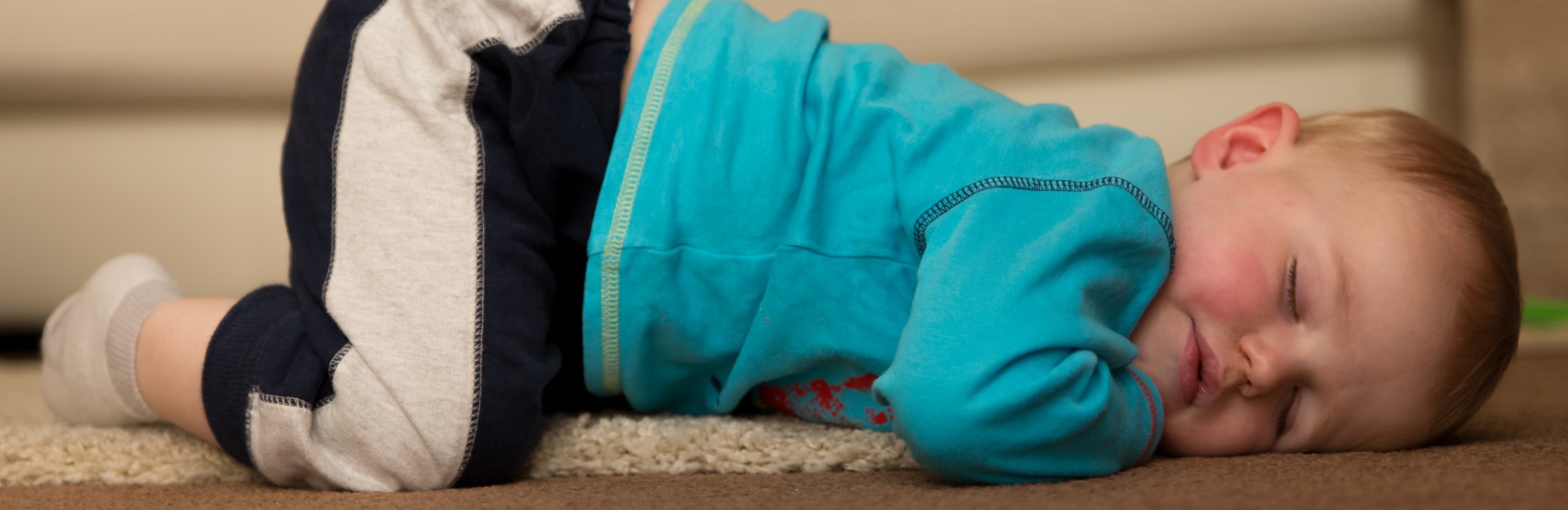
Baby falls asleep with high sleep pressure

What is sleep pressure and why is it so important for your baby's sleep?

Whether adult or baby, we have chemical messengers in our body and blood stream which make us feel sleepy. The amounts of these neurohormones gradually rise when we are awake, and drop off quickly when we are sleeping.

The longer that you are awake, the greater your need to sleep becomes and the easier it is to fall asleep. Stay awake for long enough and eventually you’ll fall asleep because of your high sleep pressure, even if you are trying hard not to!

This is such a simple concept really, and yet it holds the key to making your family’s sleep as easy as possible when you have a baby.

  • Your baby’s sleep pressure rises much more quickly than yours. A toddler’s sleep pressure doesn’t rise as quickly as a baby’s, but may still rise more quickly than yours.

  • Sleep pressure rises in variable ways, from baby to baby, and even from day to day.

  • The drop in sleep pressure in the first few minutes of sleep can be quite sudden. Napping for just a few minutes can take the edge off the rising sleep pressure.

What gets in the way of easy sleep?

You know your baby. You might often get the feeling that your little child’s sleep pressure is rising quite high. But that doesn’t mean you need to put your little one down to sleep straight away!

If you think that your baby’s sleep pressure is high, and your baby is dialling up, you could simply experiment with your two baby-sleep superpowers to keep baby dialled down: a feed, or a richer sensory motor experience. Then when the sleep pressure is really high, sleep will look after itself.

When your baby is dialled up, it's much harder for the sleep pressure hormones to do their job. High levels of sympathetic nervous system activity interfere with easy sleep.

You might hear that sleep is controlled by sleep associations, but that misunderstands the sleep science. Sleep is under the control of the two sleep regulators, the body clock and sleep pressure. It’s high sleep pressure which sends babies (and all humans) to sleep. Sleep will happen wherever baby is and whatever you’re doing, once the sleep pressure is high enough. You don't need to be trying to build up sleep associations. We want to make your baby's sleep just as easy and no-fuss as possible!

Here's an illustration of what I mean by letting sleep pressure rise as high as possible. When I come in at the end of a long day, let’s say at seven o'clock in the evening, I feel very tired. I might start yawning. I could even snuggle down into bed and go to sleep right there and then. But I never do. This is because if I go to sleep early in the evening, and particularly if I start doing this as a pattern over time, I will find myself awake for long hours in the night, or waking at two o'clock or three o'clock in the morning and unable to go back to sleep. That is, I will start to have excessive night waking due to disrupted settings on my body clock. Instead, I wait for my sleep pressure to be really high, at say ten o'clock in the evening, before I go to bed. This is how I keep my sleep pressure in sync with my body clock, and how I keep both my sleep regulators in sync with sunrise and sunset and also with the sleep of other humans around me in my world.
Finished

share this article

Next up in Sleep science basics

Baby sleep needs are highly variable and decrease throughout the first year of life (which is why 'wake windows' are unscientific!)

Dark skinned baby sleeping over mother's shoulder

Essential facts about how much sleep babies need

Here are four things to know about baby sleep needs.

  1. Some babies need twice as much sleep in a 24-hour period as other babies.

  2. Baby sleep needs decrease throughout the first year of life.

  3. Low sleep need babies develop normally.

  4. Accidentally expecting a baby to sleep for longer than she needs in a 24-hour period can result in excessive night waking after a few weeks.

Estimates of your baby's total sleep needs are unscientific

Keep reading
logo‑possums

Possums in your inbox

Evidence-based insights, tips, and tools. Occasional updates.

For parents

parents homebrowse all programsfind answers nowprograms in audiogroup sessions with dr pam

For professionals

possums for professionals
(the ndc institute)
guest speakers

About

the science behind possums/ndcwho we arendc research publicationsdr pam’s books

More resources

free resourcesdr pam’s blog

Clinical consultation

consult with dr pamfind a possums clinicfind an ndc accredited practitioner

Help & support

contact usfaqour social enterpriseprivacy policyterms & conditions

Social

instagramlinked infacebook

Possums acknowledges the traditional owners of the lands upon which The Possums Programs have been created, the Yuggera and Turrbal Peoples. We acknowledge that First Nations have breastfed, slept with, and lovingly raised their children on Australian lands for at least 65,000 years, to become the oldest continuous living culture on Earth. Possums stands with the Uluru Statement from the Heart.