Logo - The Possums baby and toddler sleep program.
parents home
librarybrowse all programsfind answers nowaudioprograms in audiogroup sessionsgroup sessions with dr pam
menu icon NDC Institute
possums for professionals
(the ndc institute)
menu icon eventsguest speakers
menu icon the sciencethe science behind possums/ndcmenu icon who we arewho we aremenu icon evidence basendc research publicationsmenu icon dr pam's booksdr pam's books
menu icon free resourcesfree resourcesmenu icon dr pam's blogdr pam's blog
menu icon consult with dr pamconsult with dr pammenu icon consult with dr pamfind a possums clinicmenu icon find a NDC accredited practitionerfind an ndc accredited practitioner
login-iconlogin

Welcome back!

Forgot password
get access
search

Search programs

PBL Foundations icon

PBL Foundations


  • COMMON BREASTFEEDING PROBLEM #1: nipple and breast tissue drag
  • How do you know if your breastfed baby has fit and hold problems?
  • Babies dial up when they have an unstable position at the breast
  • Fit and hold problems are commonly misdiagnosed in breastfeeding women and their babies
  • The three key elements of stable fit and hold for enjoyable breastfeeding
  • The mechanical effects of nipple + breast tissue drag on breastfeeding
  • Popular approaches which disrupts fit and hold

Next article

Sign up now
  • PBL Foundations
  • S3: Fit and hold: #1 breastfeeding superpower
  • CH 2: Why does fit and hold matter so much?

How do you know if your breastfed baby has fit and hold problems?

Dr Pamela Douglas1st of Sep 20236th of Jan 2026

x

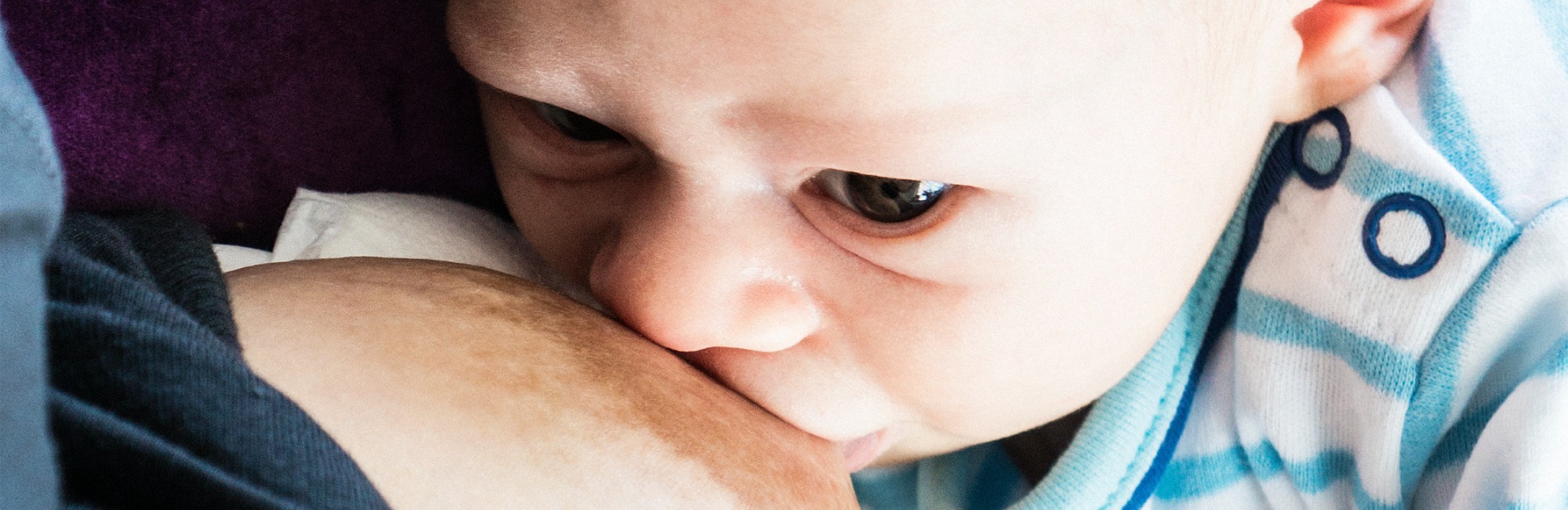
Unstable fit and hold is a very common problem for breastfeeding mother baby pairs. Unworkable fit and hold causes nipple and breast tissue drag and positional instability for both the baby and yourself.

Your baby may have fit and hold problems if he or she consistently shows one or more of the following behaviours with at the breast:

  • Difficulty getting on the breast

  • Fussing and fretting at the breast

  • Back-arching during feeds

  • Pulling off a lot

  • Feeding for a time then 'refusing the breast' despite appearing to be hungry.

Unfortunately, poor fit and hold may also cause one or more of the following:

  • Nipple pain and damage

  • Mastitis

  • Low milk supply

  • Marathon breastfeeding

  • Excessively frequent breastfeeding

  • Cry-fuss problems

  • Inadequate baby weight gain.

In our health systems today, fit and hold problems are still very commonly missed. You might have been told that your baby's fit and hold is fine, but you and the baby still have problems from the lists above - in which case, the fit and hold most likely requires some more work, afterall. Often, babies with fit and hold problems are being diagnosed with a range of suck and neuromotor abnormalities, when actually it's a contextual problem: the way baby sucks is affected by the mechanics of fit and hold.

Other babies may have normal weight gain but still show one or more of the signs of poor fit and hold, and benefit from the gestalt method.

If you have concerns about your baby's weight gain or your breastmilk supply, it is important to seek the help of your GP or a health professional. You can also look for a local NDC Accredited Practitioner here.

Selected references

Douglas PS, Keogh R. Gestalt breastfeeding: helping mothers and infants optimise positional stability and intra-oral breast tissue volume for effective, pain-free milk transfer. Journal of Human Lactation. 2017;33(3):509–518.

Douglas PS, Geddes DB. Practice-based interpretation of ultrasound studies leads the way to less pharmaceutical and surgical intervention for breastfeeding babies and more effective clinical support. Midwifery. 2018;58:145–155.

Douglas PS, Perrella SL, Geddes DT. A brief gestalt intervention changes ultrasound measures of tongue movement during breastfeeding: case series. BMC Pregnancy and Childbirth. 2022;22(1):94. DOI: 10.1186/s12884-12021-04363-12887.
Finished

share this article

Next up in Why does fit and hold matter so much?

Babies dial up when they have an unstable position at the breast

x

If baby is restless, or fussing and fretting, or starting to cry at the breast, we call this 'dialling up' at the breast, that is, a dialling up of the baby's sympathetic nervous system (SNS). When your baby dials up, you are likely to find yourself dialling up too! You can find out more about this here.

  • This dialling up of your own SNS in response to your baby's dialling up is normal, and biologically hardwired. You might feel upset and worried and find yourself having a lot of difficult thoughts like “I'll never be able to do this,” or “I'm a failure as a mother.” You…

Keep reading
logo‑possums

Possums in your inbox

Evidence-based insights, tips, and tools. Occasional updates.

For parents

parents homebrowse all programsfind answers nowprograms in audiogroup sessions with dr pam

For professionals

possums for professionals
(the ndc institute)
guest speakers

About

the science behind possums/ndcwho we arendc research publicationsdr pam’s books

More resources

free resourcesdr pam’s blog

Clinical consultation

consult with dr pamfind a possums clinicfind an ndc accredited practitioner

Help & support

contact usfaqour social enterpriseprivacy policyterms & conditions

Social

instagramlinked infacebook

Possums acknowledges the traditional owners of the lands upon which The Possums Programs have been created, the Yuggera and Turrbal Peoples. We acknowledge that First Nations have breastfed, slept with, and lovingly raised their children on Australian lands for at least 65,000 years, to become the oldest continuous living culture on Earth. Possums stands with the Uluru Statement from the Heart.