Logo - The Possums baby and toddler sleep program.
parents home
librarybrowse all programsfind answers nowaudioprograms in audiogroup sessionsgroup sessions with dr pam
menu icon NDC Institute
possums for professionals
(the ndc institute)
menu icon eventsguest speakers
menu icon the sciencethe science behind possums/ndcmenu icon who we arewho we aremenu icon evidence basendc research publicationsmenu icon dr pam's booksdr pam's books
menu icon free resourcesfree resourcesmenu icon dr pam's blogdr pam's blog
menu icon consult with dr pamconsult with dr pammenu icon consult with dr pamfind a possums clinicmenu icon find a NDC accredited practitionerfind an ndc accredited practitioner
login-iconlogin

Welcome back!

Forgot password
get access
search

Search programs

PBL Foundations icon

PBL Foundations


  • COMMON BREASTFEEDING PROBLEM #1: nipple and breast tissue drag
  • How do you know if your breastfed baby has fit and hold problems?
  • Babies dial up when they have an unstable position at the breast
  • Fit and hold problems are commonly misdiagnosed in breastfeeding women and their babies
  • The three key elements of stable fit and hold for enjoyable breastfeeding
  • The mechanical effects of nipple + breast tissue drag on breastfeeding
  • Popular approaches which disrupt fit and hold

Next article

Sign up now
  • PBL Foundations
  • S3: Fit and hold: #1 breastfeeding superpower
  • CH 2: Why does fit and hold matter so much?

Fit and hold problems are commonly misdiagnosed in breastfeeding women and their babies
Dr Pamela Douglas14th of Jul 20244th of Dec 2025

x

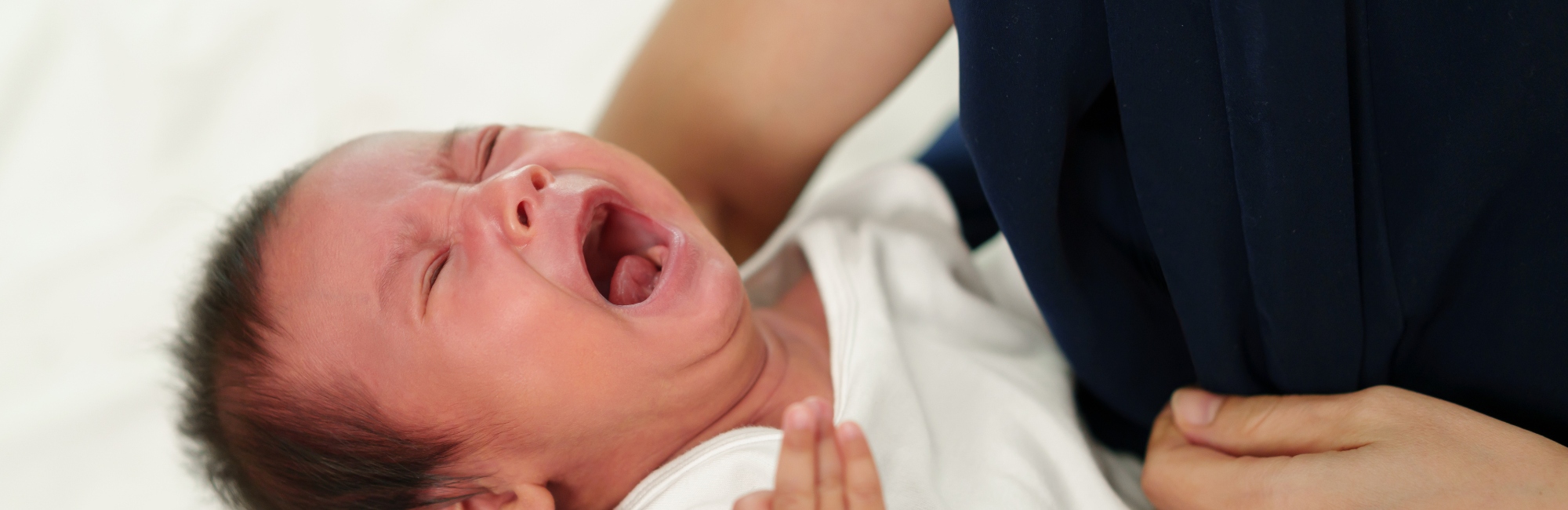
Your baby will commonly receive misdiagnoses when there are (undetected) fit and hold problems

We have a serious health system blind spot about fit and hold problems, which are often inappropriately diagnosed as medical conditions or infant suck dysfunctions. Here are the various diagnoses babies might be given when they're actually showing signs of an unstable position and breast tissue drag in breastfeeding.

  • Cranial nerve, neurological or motor dysfunctions (wrongly said to cause impaired tongue movement and poor suck)

  • Allergy

  • Reflux

  • Gut pain or dysbiosis

  • Air swallowing

  • Lactose intolerance

  • Oral connective tissue restriction.

However, we don't want to miss a true medical condition in your baby. If you have concerns about your baby's weight gain or health, please see your local GP.

You are also likely to receive misdiagnoses when there are (undetected) fit and hold problems

Here are some other diagnoses that you might be given if you are experiencing nipple and breast tissue drag during breastfeeding, resulting in nipple pain or damage.

  • Nipple thrush

  • Subacute mastitis

  • Neural sensitisation or neuropathic pain

  • Idiopathic vasospasm

Again, we don't want to miss a true medical condition. If you have concerns about your own or your baby's health, please see your local GP.

Recommended resources

Lactating women experience high levels of nipple pain and damage because of our health system blind spot about fit and hold

All breastfeeding support professionals agree that fit and hold problems are the most common cause of nipple pain so why isn't every woman shown how to prevent it or how to do a quick early repair?.

Why are breastfeeding women and their babies often unnecessarily pathologised?

Overmedicalisation in the times of catastrophic environmental crisis

What drives overdiagnosis and overtreatment of restricted oral connective tissues in breastfeeding babies

Finished

share this article

Next up in Why does fit and hold matter so much?

The three key elements of stable fit and hold for enjoyable breastfeeding

x

Your baby needs to be in a stable position so that you can eliminate nipple and breast tissue drag

Nipple and breast tissue drag (which I refer to as breast tissue drag for short) is the most commonly missed cause of breastfeeding problems. Breast tissue drag can result in

  1. Nipple pain and damage, and

  2. Baby dialling up at the breast.

These two problems often result in a cascade of other breastfeeding problems, for example, poor weight gain, breast inflammation or mastitis, and conditioned dialling up at the breast.

We need your baby in a stable position against your body before we can properly…

Keep reading
logo‑possums

Possums in your inbox

Evidence-based insights, tips, and tools. Occasional updates.

For parents

parents homebrowse all programsfind answers nowprograms in audiogroup sessions with dr pam

For professionals

possums for professionals
(the ndc institute)
guest speakers

About

the science behind possums/ndcwho we arendc research publicationsdr pam’s books

More resources

free resourcesdr pam’s blog

Clinical consultation

consult with dr pamfind a possums clinicfind an ndc accredited practitioner

Help & support

contact usfaqour social enterpriseprivacy policyterms & conditions

Social

instagramlinked infacebook

Possums acknowledges the traditional owners of the lands upon which The Possums Programs have been created, the Yuggera and Turrbal Peoples. We acknowledge that First Nations have breastfed, slept with, and lovingly raised their children on Australian lands for at least 65,000 years, to become the oldest continuous living culture on Earth. Possums stands with the Uluru Statement from the Heart.