Logo - The Possums baby and toddler sleep program.
parents home
librarybrowse all programsfind answers nowaudioprograms in audiogroup sessionsgroup sessions with dr pam
menu icon NDC Institute
possums for professionals
(the ndc institute)
menu icon eventsguest speakers
menu icon the sciencethe science behind possums/ndcmenu icon who we arewho we aremenu icon evidence basendc research publicationsmenu icon dr pam's booksdr pam's books
menu icon free resourcesfree resourcesmenu icon dr pam's blogdr pam's blog
menu icon consult with dr pamconsult with dr pammenu icon consult with dr pamfind a possums clinicmenu icon find a NDC accredited practitionerfind an ndc accredited practitioner
login-iconlogin

Welcome back!

Forgot password
get access
search

Search programs

PBL Foundations icon

PBL Foundations


  • How do you know when your milk comes in?
  • How do you know if you have delayed onset of lactation?
  • What you need to know about baby weight gain in the first two weeks of life?
  • How can you tell if your baby is getting enough milk from direct breastfeeding?
  • Can your newborn have too much sleep?
  • It's normal for babies to have green stools and mucous in the stool
  • Why lists of feeding cues can make breastfeeding go worse, not better

Next article

Sign up now
  • PBL Foundations
  • S6: Breastfeeding your newborn
  • CH 4: When your milk comes in

What you need to know about baby weight gain in the first two weeks of life?
Dr Pamela Douglas9th of Oct 202414th of Mar 2025

x

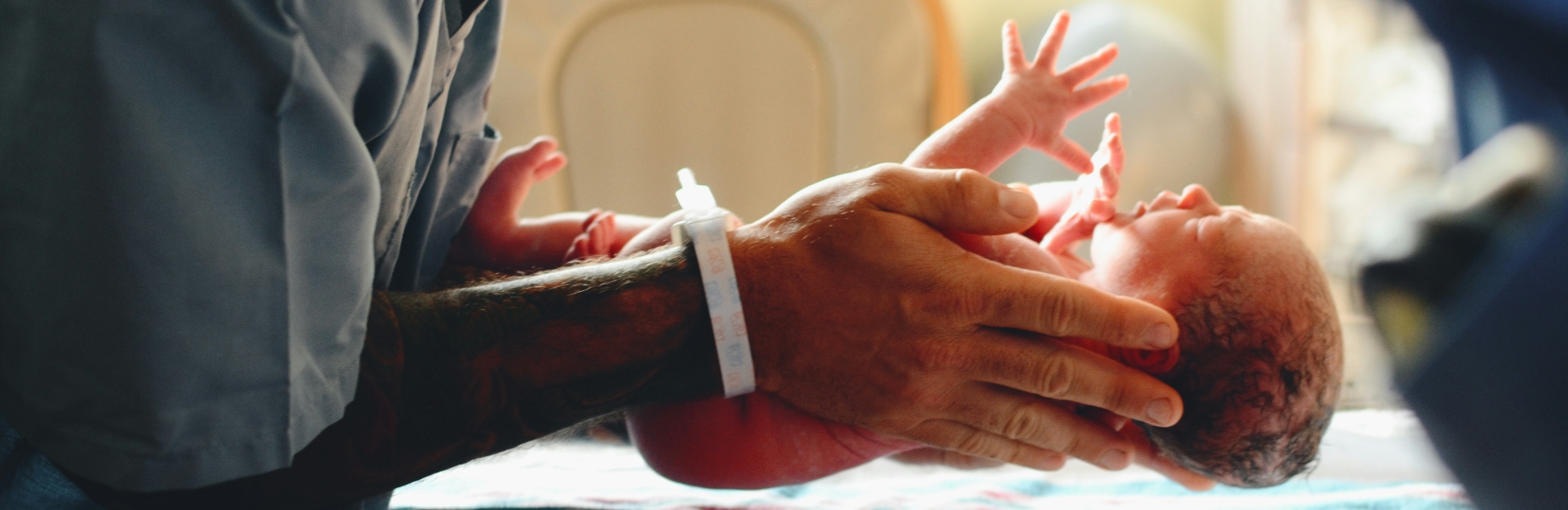
Your baby can afford to lose up to ten percent of his or her birth weight in the first week after his birth, if he is not born prematurely.

Although the research tells us that a weight loss of up to 15% may occur in some babies without the baby's safety or health being threatened (as long as you are offering breastfeeds frequently and flexibly), your baby will need to be under the care of your health professional after 10% of birth weight is lost. This is to ensure your baby's safety, as your milk production increases and your baby turns around her weight gain.

The very large World Health Organisation research study which was used to create the WHO growth charts showed that successfully breastfeeding babies gain about 200 gm to 250 gm a week in the first couple of months of life. (Little boys tended towards the 250 gm/week, little girls towards the 200 gm/week.)

Health professionals like to see babies regain their birth weight by about two weeks after the birth. However, some babies return to birth weight a little later than that. However, these little ones who are slow to regain their birth weight but otherwise safe and well-hydrated require very close monitoring by your GP or other health professional.

Many babies track on a percentile line that is one line lower than the percentile line of their birth. Some health professionals prefer to weigh babies when they are 24 hours old for their birth weights, to give baby time to wee out any extra fluid that might have come into the baby from your own intravenous fluids during the birth process.
Finished

share this article

Next up in When your milk comes in

How can you tell if your baby is getting enough milk from direct breastfeeding?

x

Possums Breastfeeding & Lactation is not a substitute for the care of your local doctor or health professional. Please see your own GP, or other suitably qualified health professional, if you have questions or concerns about your baby's weight gains.

Three daily signs that your baby is getting enough milk

What you need to know about weight gain in the first days of your newborn's life, as he regains his birth weight, are found here. Here's what to expect when baby is getting enough milk.

  1. Your baby has about five heavy wet nappies in a 24-hour period. Good output of about five heavy wet nappies, containing pale yellow or…

Keep reading
logo‑possums

Possums in your inbox

Evidence-based insights, tips, and tools. Occasional updates.

For parents

parents homebrowse all programsfind answers nowprograms in audiogroup sessions with dr pam

For professionals

possums for professionals
(the ndc institute)
guest speakers

About

the science behind possums/ndcwho we arendc research publicationsdr pam’s books

More resources

free resourcesdr pam’s blog

Clinical consultation

consult with dr pamfind a possums clinicfind an ndc accredited practitioner

Help & support

contact usfaqour social enterpriseprivacy policyterms & conditions

Social

instagramlinked infacebook

Possums acknowledges the traditional owners of the lands upon which The Possums Programs have been created, the Yuggera and Turrbal Peoples. We acknowledge that First Nations have breastfed, slept with, and lovingly raised their children on Australian lands for at least 65,000 years, to become the oldest continuous living culture on Earth. Possums stands with the Uluru Statement from the Heart.