Logo - The Possums baby and toddler sleep program.
parents home
librarybrowse all programsfind answers nowaudioprograms in audiogroup sessionsgroup sessions with dr pam
menu icon NDC Institute
possums for professionals
(the ndc institute)
menu icon eventsguest speakers
menu icon the sciencethe science behind possums/ndcmenu icon who we arewho we aremenu icon evidence basendc research publicationsmenu icon dr pam's booksdr pam's books
menu icon free resourcesfree resourcesmenu icon dr pam's blogdr pam's blog
menu icon consult with dr pamconsult with dr pammenu icon consult with dr pamfind a possums clinicmenu icon find a NDC accredited practitionerfind an ndc accredited practitioner
login-iconlogin

Welcome back!

Forgot password
get access
search

Search programs

PBL Foundations icon

PBL Foundations


  • Change things up straight away if you have nipple discomfort, pain, or damage
  • Too much moisture softens nipple skin and slows healing or makes pain and damage more likely
  • Does the kind of nipple or breast pain you're feeling during or between breastfeeds tell you what's going on?
  • Does the shape of your nipple immediately after breastfeeds matter?

Next article

Sign up now
  • PBL Foundations
  • S7: Nipple pain and damage
  • CH 2: Start here for nipple pain and damage essentials

Does the shape of your nipple immediately after breastfeeds matter?
Dr Pamela Douglas6th of Jul 202421st of Oct 2025

x

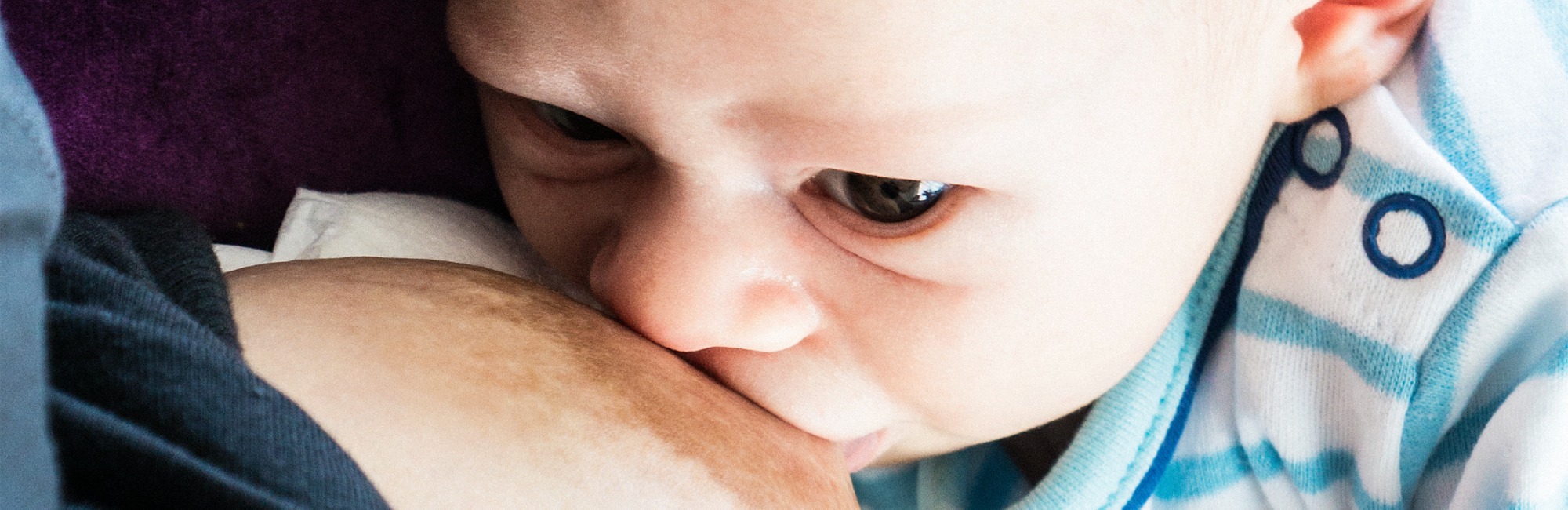
Wedged or squashed nipples may be a sign of nipple and breast tissue drag but if there are no breastfeeding problems you don't need to worry

It's likely that the nipples of the mother in the photo above will be wedged when the baby comes off. The baby is positionally unstable, with a worried look and visible lips.

Women often notice that their nipple is wedged or squashed after the baby has finished feeding. This is sometimes described as nipple compression, or the nipple taking on a lipstick shape.

This wedging may occur even if your baby has a deep face-breast bury and there is no pain, and your baby isn't fussing with feeds. In this case, there's no need to worry. Your baby is breastfeeding with some breast tissue drag (which can happen even with a deep face-breast bury) but there are no breastfeeding problems from this, and so the wedging doesn't matter.

You can find out why many women breastfeed successfully despite a lot of nipple and breast tissue drag here.

Wedged or squashed nipples are a sign of nipple and breast tissue drag which needs to be addressed if you and your baby have any breastfeeding problems

However, you might be one of those women who has nipple pain or damage, or whose baby fusses a lot at the breast - and who also has wedging of her nipple visible immediately after feeds. In this case, it's very important to work with the gestalt method for eliminating nipple and breast tissue drag. You'd keep trying to do this until the three pillars of positional stability are in place: no pain, no unsettled baby behaviour at the breast, and visible symmetrical face-breast bury. You can find out about these starting here.
  • Nipple wedging is not ‘compression’ by the tongue but results from the way stretching pressures in the mouth affect the nipple. You can find out why it's not caused by the tongue here.

  • You can find how babies suck at the breast here.

  • You can find out how to use the gestalt method, starting here.

Finished

share this article

Next up in What causes nipple pain and damage?

What causes nipple pain when you're breastfeeding or lactating and there's no visible break in the skin (though there may be redness and swelling)?

x

What are the two main reasons nipples become painful from breastfeeding?

When your baby sucks, a vacuum is applied to your nipple and the surrounding breast tissue and its skin.

Nipples become painful during breastfeeding for two reasons.

  1. The stretching forces of your baby's sucking vacuum are concentrated on a small area of your nipple, resulting in inflammation, which causes swelling and pain. (This may also lead to a break or crack in the skin.)

  2. The stretching forces of your baby's sucking vacuum cause bending of the core of your nipple, resulting in bruising and inflammation, which also causes swelling and pain.

1. The effects of concentrated…

Keep reading
logo‑possums

Possums in your inbox

Evidence-based insights, tips, and tools. Occasional updates.

For parents

parents homebrowse all programsfind answers nowprograms in audiogroup sessions with dr pam

For professionals

possums for professionals
(the ndc institute)
guest speakers

About

the science behind possums/ndcwho we arendc research publicationsdr pam’s books

More resources

free resourcesdr pam’s blog

Clinical consultation

consult with dr pamfind a possums clinicfind an ndc accredited practitioner

Help & support

contact usfaqour social enterpriseprivacy policyterms & conditions

Social

instagramlinked infacebook

Possums acknowledges the traditional owners of the lands upon which The Possums Programs have been created, the Yuggera and Turrbal Peoples. We acknowledge that First Nations have breastfed, slept with, and lovingly raised their children on Australian lands for at least 65,000 years, to become the oldest continuous living culture on Earth. Possums stands with the Uluru Statement from the Heart.