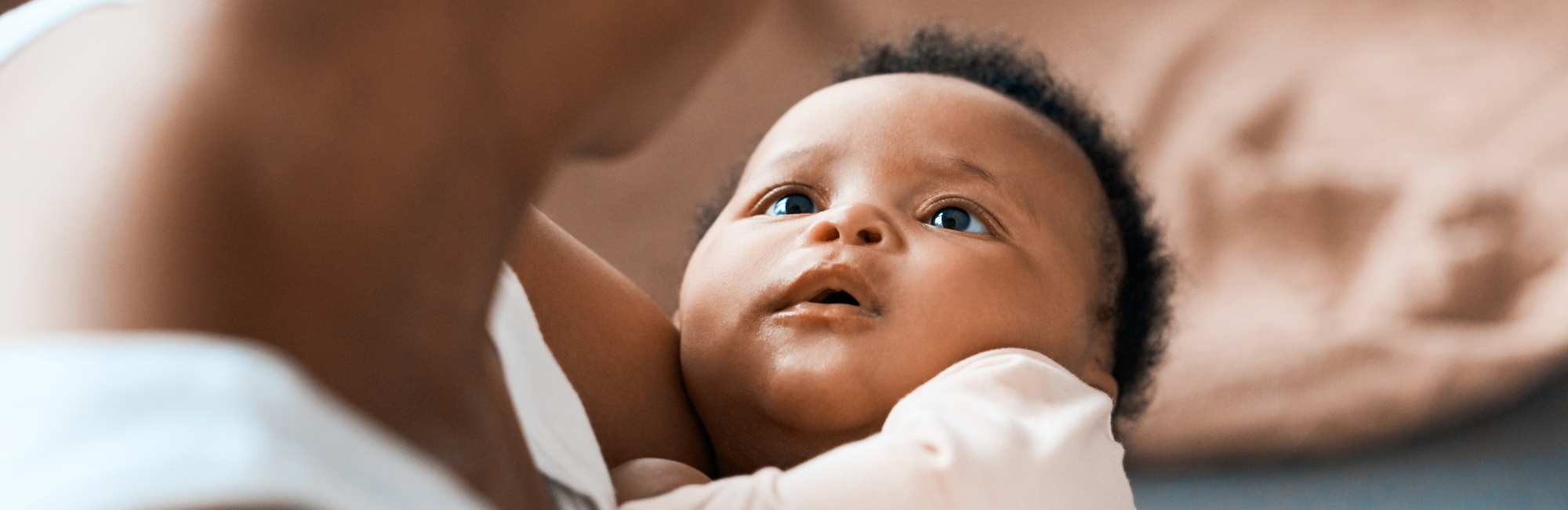
Why do many women breastfeed successfully despite obvious breast tissue drag?
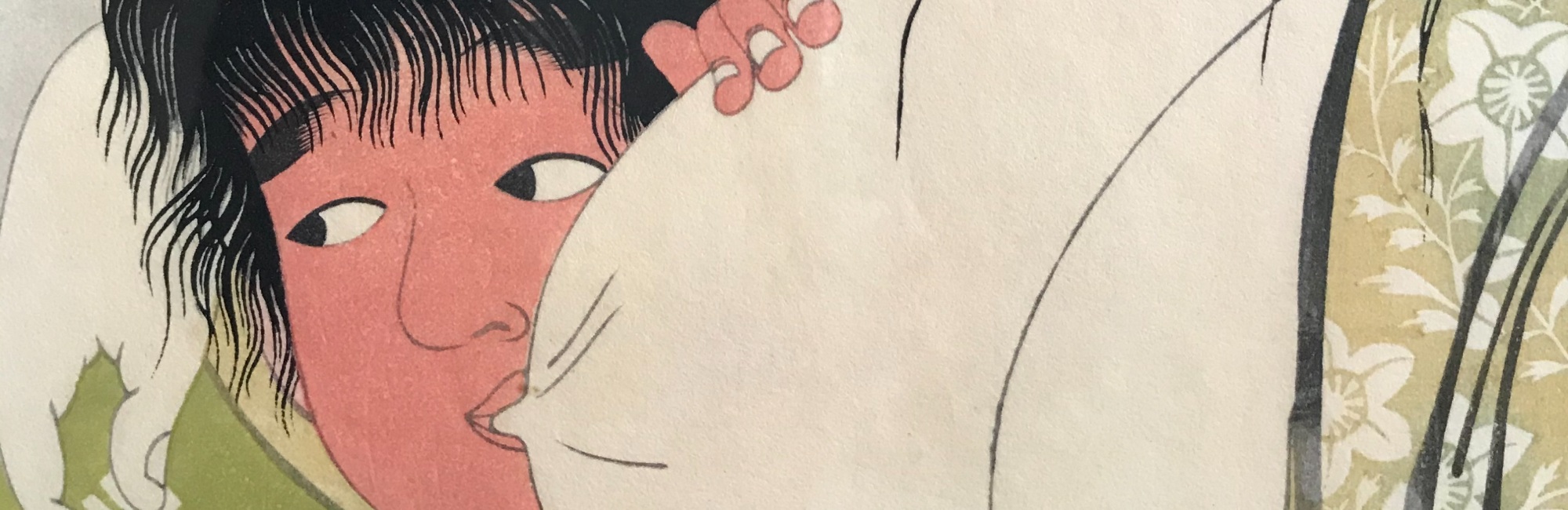
Many women breastfeed their babies happily and effectively despite substantial breast tissue drag
Often, women suckle their babies effectively, either matter-of-factly or with great delight, even though it's evident looking on that there is a lot of mechanical drag on the nipple and breast tissue. Both mother and baby are happy, she has no pain, and baby's weight gains are unremarkable.
If there isn't a problem though, despite obvious nipple and breast tissue drag and visible, flanged lips, then there's no reason to interfere in a woman and her baby's breastfeeding relationship. To do so could even cause them harm.
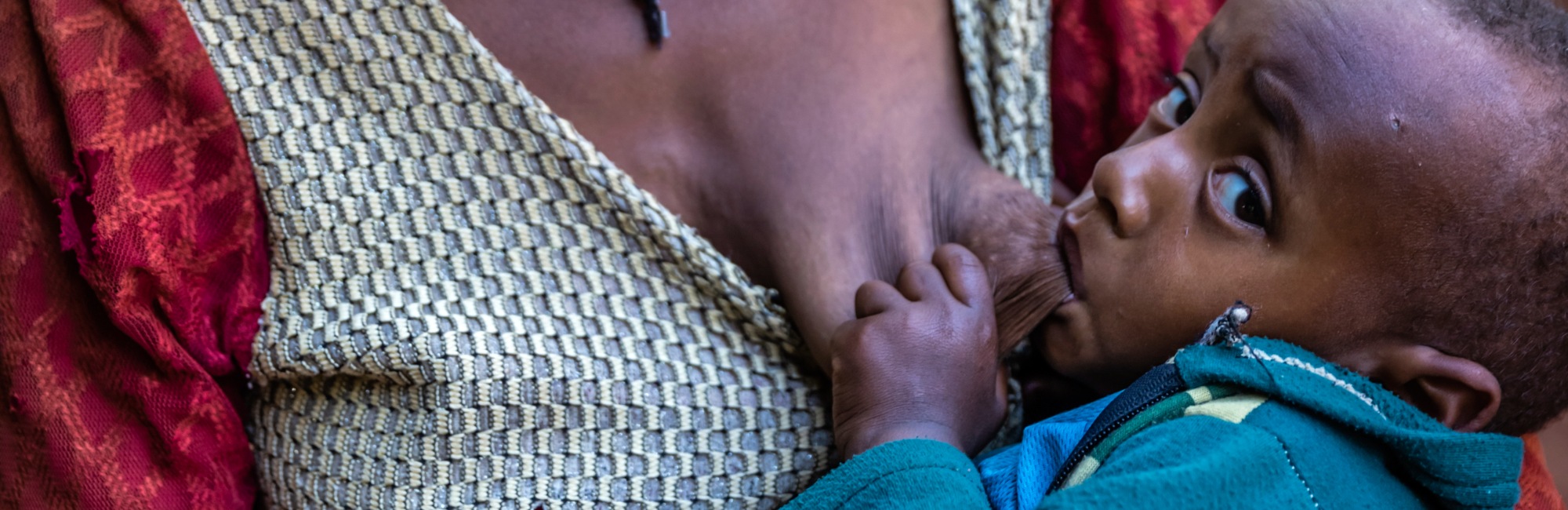
I've seen plenty of breast tissue drag with successful, problem-free breastfeeding in traditional cultural contexts (both in photos and my own experience), in historical images within the Western tradition, and of course, very frequently around me in Australian society.
Some of my favourite images of breastfeeding infants are from traditional cultures. In a beautiful 17th century Japanese woodcut print hanging in my study, a lively-eyed toddler suckles at his mother's breast. Part of the image is at the top of the page. The toddler twists dramatically, stretching his mother's breast and nipple in his mouth as he gazes boldly out the side of the frame. When you see the whole print, you know she's definitely not in pain.
There's no doubt that nipples, and also breastfeeding fit and hold generally, become more resilient as the baby grows. By the time a child is crawling or walking, breastfeeding has typically become highly adaptive, with older babies and toddlers loving to wriggle, kick, twist around, and enjoy acrobatic postures and positions at the breast!
Why do some women develop breastfeeding problems as a result of nipple and breast tissue drag, when others don't?
One day, someone will explore this question of why many women breastfeed happily with substantial breast tissue drag as a research project. In the meantime, while we wait on research, here are my thoughts, applying what I know from mechanobiology and also from evolutionary theoretical frames.
Human skin thickens and stretches in response to mechanical pressures
Skin thickens, stretches, and adapts in response to ongoing application of mechanical forces. The skin's thickening and strengthening adaptations occur to protect the skin, including nipple skin, from damage. This is an important consideration in breastfeeding. You can read about this here.
-
Could it be that bras worn from adolescence cosset the nipple and areolar, so that contemporary women's nipple epithelium is less resilient, less exposed to subtle friction contact with cloth or the environment, day after day, year after year?
-
Do genetic factors also influence how resilient and adaptive a woman's nipple skin is in response to the repetitive mechanical pressures of breastfeeding?
Is there greater resilience in cultures where cross-nursing is common?
- Could it be that in some cultures, cascades of worsening nipple damage were prevented because babies were passed to other lactating relatives and friends if the nipple skin needed a break while it adapted and thickened in response to the mechanical stresses of breastfeeding?
Is there greater breastfeeding resilience in traditional cultures where the population enjoyed higher levels of muscle strength and conditioning than Western industrialised societies?
-
Could it be that women in more traditional contexts use micromovements in a relaxed way right from birth to remedy any discomfort or pain before even slight nipple damage ensues?
-
Could it be that women in more traditional societies, whose bodies have worked hard, physically, and moved constantly from adolescence, have the muscular strength and tone to maintain a hold and subtle ongoing adjustments with relaxed ease, ensuring they are absolutely pain-free?
-
Could it be that women in more traditional contexts are encouraged to be more attuned to their breast and nipple sensations and confident that they have the power to alter these with constant experimentation? In the West, women might be told to expect pain and to count to twenty when they bring the baby on, to tough it out. We might freeze with that first unpleasant experience, trying to be brave, not realising it is within our power to change unpleasant sensations.
One day, these questions will be investigated by scholars who are fascinated by the differences in breastfeeding and lactation across our diverse human cultures!
Selected references
Hamilton A. Nature and Nurture: Aboriginal Childrearing in North-Central Arnhem Land. Canberra: AIAS P; 1981
SNAICC. Growing up our way: practices matrix. North Fitzroy, Melbourne: Secretariat of National Aboriginal and Islander Child Care, 2011.
.