Logo - The Possums baby and toddler sleep program.
parents home
librarybrowse all programsfind answers nowaudioprograms in audiogroup sessionsgroup sessions with dr pam
menu icon NDC Institute
possums for professionals
(the ndc institute)
menu icon eventsguest speakers
menu icon the sciencethe science behind possums/ndcmenu icon who we arewho we aremenu icon evidence basendc research publicationsmenu icon dr pam's booksdr pam's books
menu icon free resourcesfree resourcesmenu icon dr pam's blogdr pam's blog
menu icon consult with dr pamconsult with dr pammenu icon consult with dr pamfind a possums clinicmenu icon find a NDC accredited practitionerfind an ndc accredited practitioner
login-iconlogin

Welcome back!

Forgot password
get access
search

Search programs

When Baby Comes Home icon

When Baby Comes Home


  • Pregnant and preparing to breastfeed: a guide to the Possums resources
  • Choosing the breast milk pump that is right for you
  • Be ready for discombobulating body changes and a busy mind
  • How to hand express your colostrum or milk
  • Giving birth: what can I do to be ready? Dr Sarah Buckley, Karen McClay (Calmbirth) 2020 Baby May 2021
  • Support for breastfeeding, baby sleep and attachment. Karen McClay Australia, The Calmbirth Conversation 2021
  • 'Intuitive eating' in the perinatal period
  • Things parents need (or don't need) to buy when they are expecting or have a baby. Dr Pamela Douglas May 2022
  • Oh, baby. How much stuff do babies need? Radio National Australia, The Pineapple Project September 2022
  • About The Discontented Little Baby Book - hardcopy, audiobook, translations

Next article

Sign up now
  • When Baby Comes Home
  • S1: When you're pregnant and preparing

Be ready for discombobulating body changes and a busy mind
Dr Pamela Douglas12th of Sep 202326th of Dec 2024

x

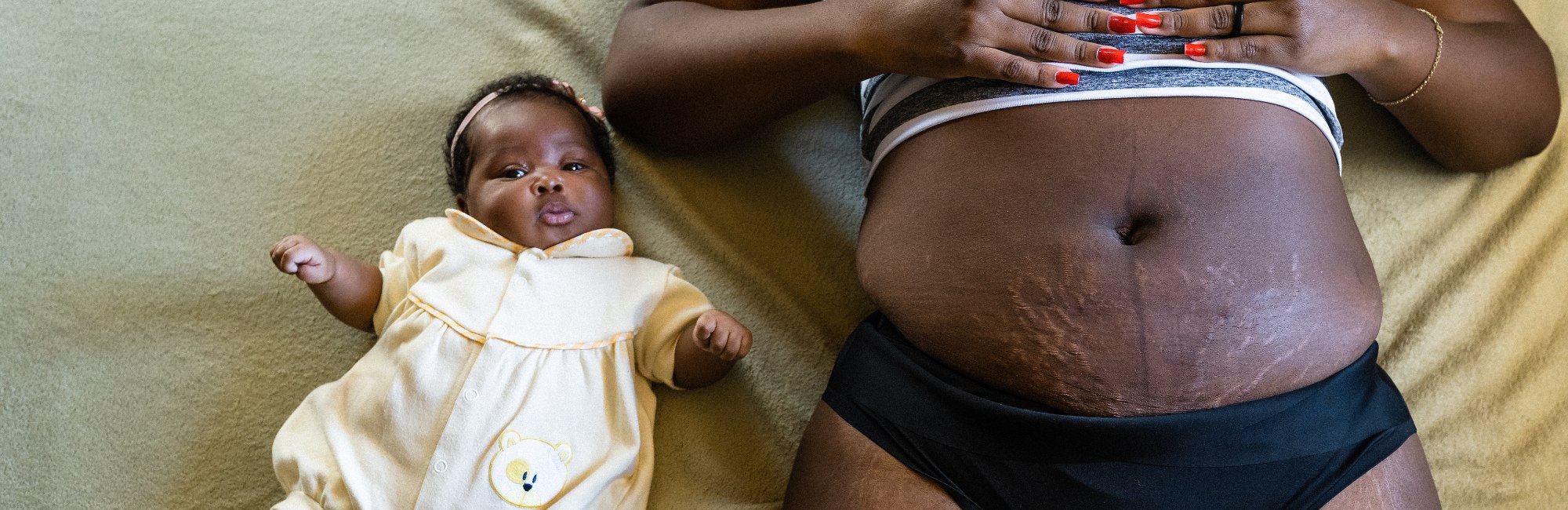
Relate to the lived-in, hardworking female body (including your own) with profound tenderness and respect

This is a time of such tumultuous physical (and psychological) change - growing a baby, birthing a baby, feeding a baby from your breasts!

Humans have distinctive anatomic features, given to us by stable genetic codes crafted through millions of years of evolutionary history, created first by our ancestral vertebrates, then the primates.

Yet within the contraints of the basic human form, we are amazingly anatomically variable. Our bodies and breasts as women are incredibly diverse. You can find out more here.

Are you able to practice celebrating the shape of your own unique and precious body? Can you cultivate a deep reverence and tenderness towards her, towards her imperfections, scars, and unique shape or sculpting, as she does her powerful, life-giving, transformative work?

Many of us have learnt to feel ashamed of our body, breasts, and belly regardless of how we are shaped. We imagine our mind is telling the truth when we stand naked before a mirror and it says back at us: “You're weird.” Our brains can become preoccupied with judging our own nipples, breasts, and bellies relative to every other woman’s imagined superior nipple, breast, and belly shape!

Because I don't want to participate in the comparative tendencies of both our own minds and the culture around us, you'll see that I talk about petite or delicate breasts not small breasts, and generous breasts not large breasts. I try to remove the comparative tone when choosing adjectives to describe our marvellous anatomic diversity as women.

Be ready for the often unhelpful, ever-vigilant busy-ness of the post-birth brain

If your mind is like most women's minds in contemporary societies, you can expect it to tell you many negative things about your body's shape, texture, and appearance once you are pregnant or have given birth to a baby.

You can find out about how the brain works postbirth here.

It's normal for our brains to want to tell us how we 'should' be improving our body. Minds particularly generate a lot of unhelpful thoughts when we're exhausted or stressed, and we usually can't stop these miserable thoughts streamimg forth. We have to let unhelpful thoughts play like a radio in the background. On a bad day, we might have to let them flutter and squawk around like a noisy flock of galahs. We can notice that they're there, tenderly accepting that our exhausted brain is likely to continue on generating such thoughts.

And then we behave towards our precious body in a way that honours our own dignity and gorgeousness, that celebrates our own utterly singular beauty through this time of child-bearing and breastfeeding. For the thousandth time in the last hour, we direct our attention back onto the small, cherished details of the present moment, speaking to ourselves with a profound self-compassion.

  • You can find out about your brain's thinking processes after the birth of a baby here.

  • You can find out why breast size doesn't predict how much milk you'll make here.

  • You can find out what it helps to notice in the mirror when you're breastfeeding here.

  • You can find out about the directions nipples look here.

  • You can find out about breast-belly contour here.
x

Finished

share this article

Next up in When you're pregnant and preparing

How to hand express your colostrum or milk

x

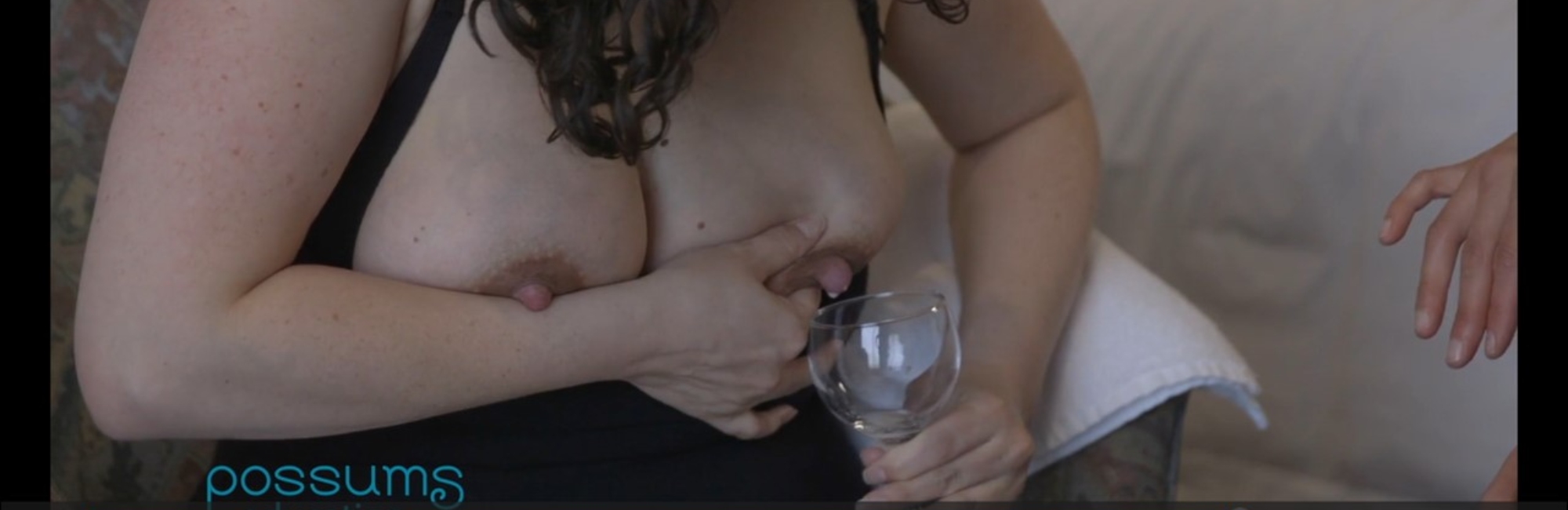
Hand expressing can be useful right throughout your breastfeeding experience, and it's helpful to know how to do this prior to the birth. Some women hand express colostrum antenatally.

Other women never hand express, which is perfectly fine too.

About two-thirds of your milk-secreting glands are found in the breast tissue that lies within a radius of just three centimetres around your nipple and areola. This is why you need to place your thumb and forefinger about three centimetres back from, and on either side of, the nipple.

  • It's incredibly important that you're gentle with your sensitive, highly vascular, lactating (or preparing-to-lactate) breast!

  • Press backward a little, towards your…

Keep reading
logo‑possums

Possums in your inbox

Evidence-based insights, tips, and tools. Occasional updates.

For parents

parents homebrowse all programsfind answers nowprograms in audiogroup sessions with dr pam

For professionals

possums for professionals
(the ndc institute)
guest speakers

About

the science behind possums/ndcwho we arendc research publicationsdr pam’s books

More resources

free resourcesdr pam’s blog

Clinical consultation

consult with dr pamfind a possums clinicfind an ndc accredited practitioner

Help & support

contact usfaqour social enterpriseprivacy policyterms & conditions

Social

instagramlinked infacebook

Possums acknowledges the traditional owners of the lands upon which The Possums Programs have been created, the Yuggera and Turrbal Peoples. We acknowledge that First Nations have breastfed, slept with, and lovingly raised their children on Australian lands for at least 65,000 years, to become the oldest continuous living culture on Earth. Possums stands with the Uluru Statement from the Heart.