Logo - The Possums baby and toddler sleep program.
parents home
librarybrowse all programsfind answers nowaudioprograms in audiogroup sessionsgroup sessions with dr pam
menu icon NDC Institute
possums for professionals
(the ndc institute)
menu icon eventsguest speakers
menu icon the sciencethe science behind possums/ndcmenu icon who we arewho we aremenu icon evidence basendc research publicationsmenu icon dr pam's booksdr pam's books
menu icon free resourcesfree resourcesmenu icon dr pam's blogdr pam's blog
menu icon consult with dr pamconsult with dr pammenu icon consult with dr pamfind a possums clinicmenu icon find a NDC accredited practitionerfind an ndc accredited practitioner
login-iconlogin

Welcome back!

Forgot password
get access
search

Search programs

PBL Foundations icon

PBL Foundations


  • Be ready for discombobulating body changes and a busy mind
  • The size of your breasts doesn't predict how much milk you'll make
  • How to help your breasts make plenty of milk from the very beginning
  • What you need to know about your newborn's poo and wee in the first week of life
  • How much breast milk does your baby need to thrive?
  • How to spot hospital hitches and glitches as you begin your breastfeeding relationship

Next article

Sign up now
  • PBL Foundations
  • S6: Breastfeeding your newborn
  • CH 3: The first few days of life

The size of your breasts doesn't predict how much milk you'll make
Dr Pamela Douglas7th of Oct 202427th of Nov 2025

x

Your breast size and shape doesn't determine your milk production

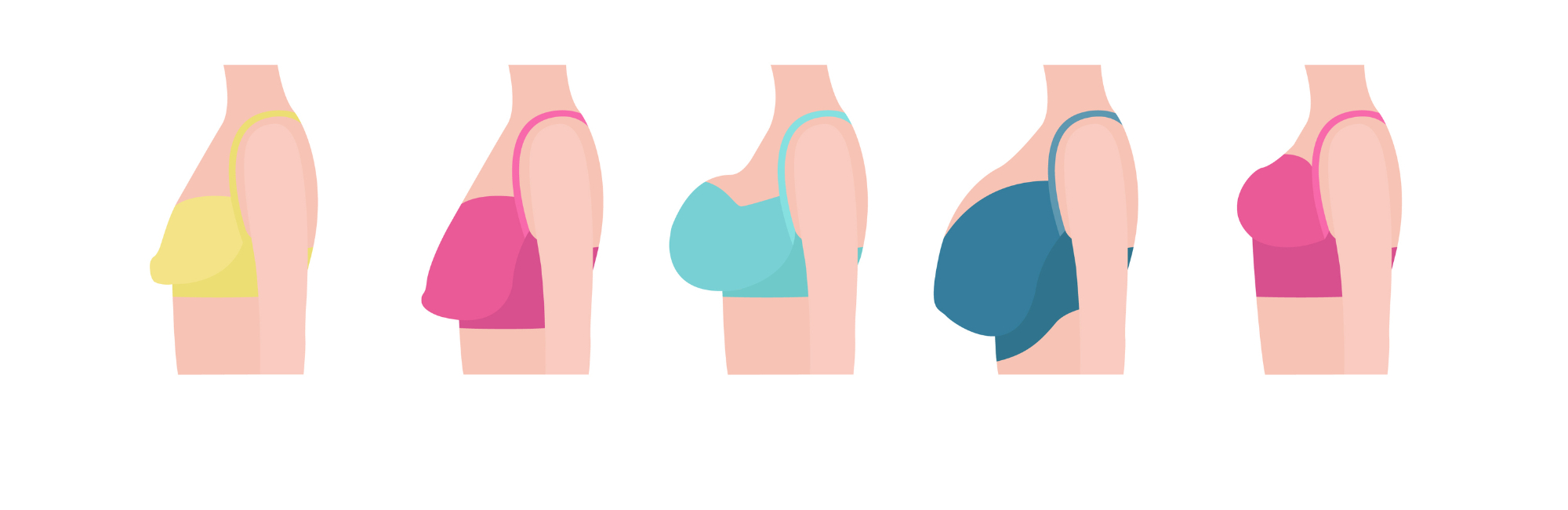
Lactating human breasts are diverse on the outside, and diverse on the inside. The size of our breasts doesn't determine how much milk our breasts can make.

  • The most important thing that sets your milk supply is how frequently milk is removed from your breasts in the first days of your baby's life, ongoing.

  • Size and shape are determined by variations in amount of fat tissue within the breast rather than variations in amounts of glandular tissue. This is why a very delicate breast is as capable of satisfying a baby's milk needs as a very generous one.

Sometimes, a woman might have an anatomic or metabolic condition which interferes with her capacity to make milk - but even then, the best thing to do if you hope to breastfeed is to give it your all out hottest go, and see what happens.

My own story

Once, about thirty-five years ago, in the last weeks of my first pregnancy, I lay on an examination couch while a midwife checked my belly for the baby's size and lie. I mentioned I was worried I mightn't make enough milk because I had such delicate breasts. "Small breasts", I would have said back then.

"Have they been changing?" she asked. I explained that my breasts had been hot and tight and sensitive since early in my pregnancy, as a network of purple veins became visible under the skin.

"Well, those are normal breast changes during pregnancy," the midwife said. "But let me take a look." I lifted up my blouse and bra, lying there on the couch.

I don’t remember consenting before the midwife began to squeeze my breast and areola. It felt as though this happened quite suddenly, without warning. It felt completely wrong. It hurt. I can’t recall if any colostrum appeared but I quickly asked her to stop. I think the midwife was wanting to show me that I was already making milk.

Just before my baby arrived, however, I raised the same concern with another midwife, who began to talk kindly to me about her clients of Asian heritage, many with very slight bodies and petite breasts, "even smaller than yours", I remember her saying! - and how incredibly generous their milk supply could be.

It was that conversation, not the expression of colostrum, which helped me believe in my breasts. Perhaps my breasts had less fatty tissue than some other women's breasts, but they were dense with milk glands. My breast shape didn't put me (or you, too, if you have petite breasts) at risk of low milk supply.

Recommended resources

working breasts are diverse on the outside

Working breasts are diverse on the inside

You can find out about

  • How to help your breasts make plenty of milk here

  • Frequent and flexible breastfeeds here

  • Insufficient glandular tissue here

  • Inverted nipples and what to do in pregnancy here

  • Nipple piercings, breast surgery, and milk supply here

  • What causes low supply here.

x

Selected references

Gridneva Z, Rea A, Weight D, McEachran JL. Maternal factors, breast anatomy, and milk production during established lactation - an ultrasound investigation. Journal of Imaging. 2025;11(9):313 https://doi.org/310.3390/jimaging11090313.

Finished

share this article

Next up in The first few days of life

How to help your breasts make plenty of milk from the very beginning

x

How do your breasts make milk?

Your hormones have prepared your breasts during pregnancy. But after birth, it's the frequent and flexible removal of milk which carries milk production forward.

  • Throughout pregnancy, the hormones progesterone and prolactin have been dramatically increasing in your blood stream. These hormones gradually ripen your breast's alveolar or glandular tissue. The hormone progesterone inhibits the milk-making action of prolactin.

  • In the day after you've given birth and the placenta has left your body, your progesterone levels plummet. The action of prolactin on your milk glands is no longer blocked by the progesterone. The prolactin inevitably causes your milk to come in, usually within three to five days. Even…

Keep reading
logo‑possums

Possums in your inbox

Evidence-based insights, tips, and tools. Occasional updates.

For parents

parents homebrowse all programsfind answers nowprograms in audiogroup sessions with dr pam

For professionals

possums for professionals
(the ndc institute)
guest speakers

About

the science behind possums/ndcwho we arendc research publicationsdr pam’s books

More resources

free resourcesdr pam’s blog

Clinical consultation

consult with dr pamfind a possums clinicfind an ndc accredited practitioner

Help & support

contact usfaqour social enterpriseprivacy policyterms & conditions

Social

instagramlinked infacebook

Possums acknowledges the traditional owners of the lands upon which The Possums Programs have been created, the Yuggera and Turrbal Peoples. We acknowledge that First Nations have breastfed, slept with, and lovingly raised their children on Australian lands for at least 65,000 years, to become the oldest continuous living culture on Earth. Possums stands with the Uluru Statement from the Heart.