Logo - The Possums baby and toddler sleep program.
parents home
librarybrowse all programsfind answers nowaudioprograms in audiogroup sessionsgroup sessions with dr pam
menu icon NDC Institute
possums for professionals
(the ndc institute)
menu icon eventsguest speakers
menu icon the sciencethe science behind possums/ndcmenu icon who we arewho we aremenu icon evidence basendc research publicationsmenu icon dr pam's booksdr pam's books
menu icon free resourcesfree resourcesmenu icon dr pam's blogdr pam's blog
menu icon consult with dr pamconsult with dr pammenu icon consult with dr pamfind a possums clinicmenu icon find a NDC accredited practitionerfind an ndc accredited practitioner
login-iconlogin

Welcome back!

Forgot password
get access
search

Search programs

Baby Sleep (0-12 months) icon

Baby Sleep
(0-12 months)


  • Being relaxed about your baby's daytime sleep helps create healthy night-time sleep patterns
  • Getting your baby up at the same time each day helps if you have night-time sleep troubles
  • What to do when your baby wakes too early in the morning?
  • How to balance the three pressure points as you reset your baby's body clock
  • It takes one or two weeks to reset your baby’s body clock
  • Sleep your baby in the midst of light, noise and activity during the day
  • Why it’s best not to be constantly trying to reset your baby’s body clock
  • Making changes to daytimes with your baby for the sake of better sleep begins with small steps
  • Is it ok if your baby takes a late afternoon nap?

Listen to audio program

Next article

Sign up now
  • Baby Sleep (0-12 months)
  • S2: Daytimes
  • CH 2: Making changes
  • PT 2.1: Body clock reset

Making changes to daytimes with your baby for the sake of better sleep begins with small steps
Dr Pamela Douglas17th of Aug 202321st of May 2024

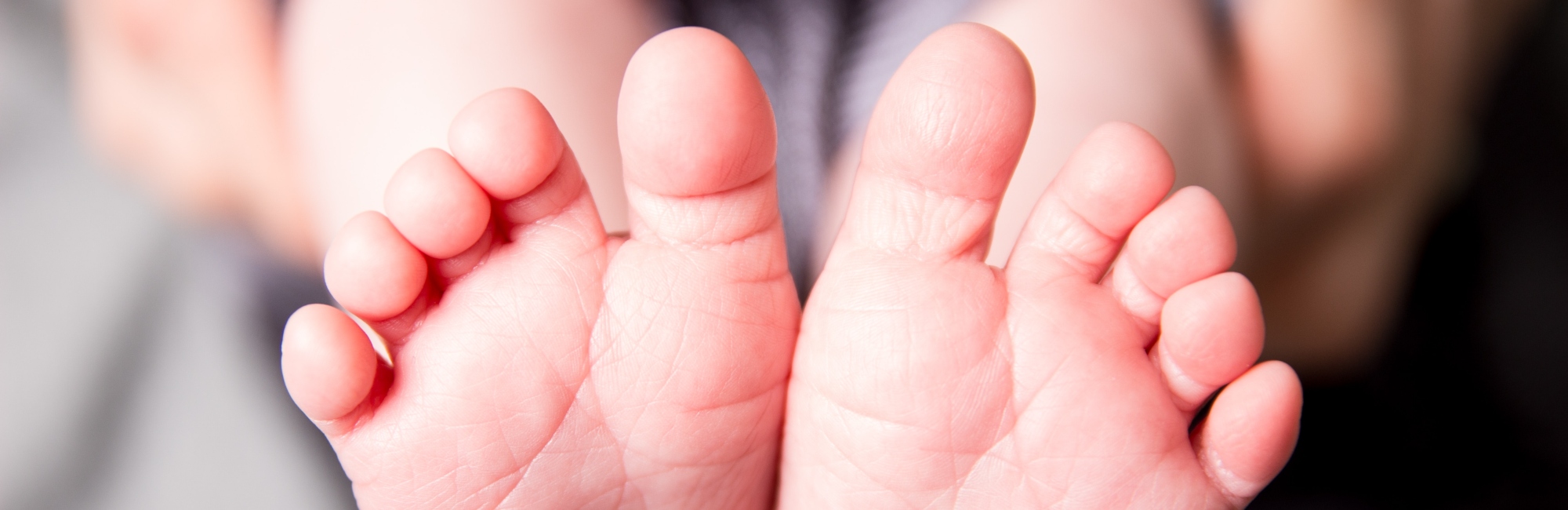
baby's feet and toes in daylight

Sometimes simply increasing the amount of sensory motor nourishment that your baby is exposed to during the day in itself decreases the amount of daytime sleep she wants to take. At other times, and especially if your baby is older or you have excessive night waking, you may decide you need to actively work with the pressure point of daytime naps. In this case

  • Try not focus on the time of day when naps happen. Sleep comes whenever your baby’s sleep pressure is high, sometimes in the car seat, sometimes at the breast or bottle, sometimes in the pram or stroller or carrier.

  • Try to nudge back nap time when you see it coming on, by letting her sleep pressure build for ten or fifteen minutes longer than you usually would. You'd do this by using an extra high dose of sensory nourishment, one of your baby-sleep superpowers! This could be

    • A burst of highly physical play, such as lifting your baby in the air or swinging her around

    • Watching close up as older children play in the park

    • Splashing water, at the bubbler in the park or tap in the back yard or in the kitchen sink (none of which requires much water wastage, just intermittent excited and noisy splashes). Or similar exciting play appropriate to your own climate, in the snow or the autumn leaves or dirt in the garden. There's so much, once you start to think about it, that you could use to satisfy your baby's sensory motor hunger for that extra ten minutes when you're nudging against the sleep pressure.

The dilemma is that if you try to nudge back the time your baby starts a daytime nap by too much all at once, you may find your baby becomes very fussy! You'll experiment with finding a balance. Letting sleep pressure rise higher than you normally would is not about being unkind to your baby.

You'll know when it's time to use a feed, your other baby-sleep superpower, to tip your little one over into sleep. But it is possible, with high doses of rich sensory adventure, to let your baby's sleep pressure rise that little bit higher, nap by nap, day by day, over the two weeks of the reset.

This way, depending on your baby and your own situation, four naps might become three, three naps become two, two naps become one - and sometimes, the one last daytime nap might need to be dropped altogether. Or you might have decided you need to shorten the single daytime nap, gradually over time, from say two and a half hours to no more than one hour, or whatever seems right in your situation.

Babies often need much less daytime sleep than we think, once we experiment with keeping their sensory tank as full as possible.

Taking small steps even when you don't especially feel like it to do the things that you've decided matter in life with your baby is a powerful way to make change.
Finished

share this article

Next up in Body clock reset

Is it ok if your baby takes a late afternoon nap?

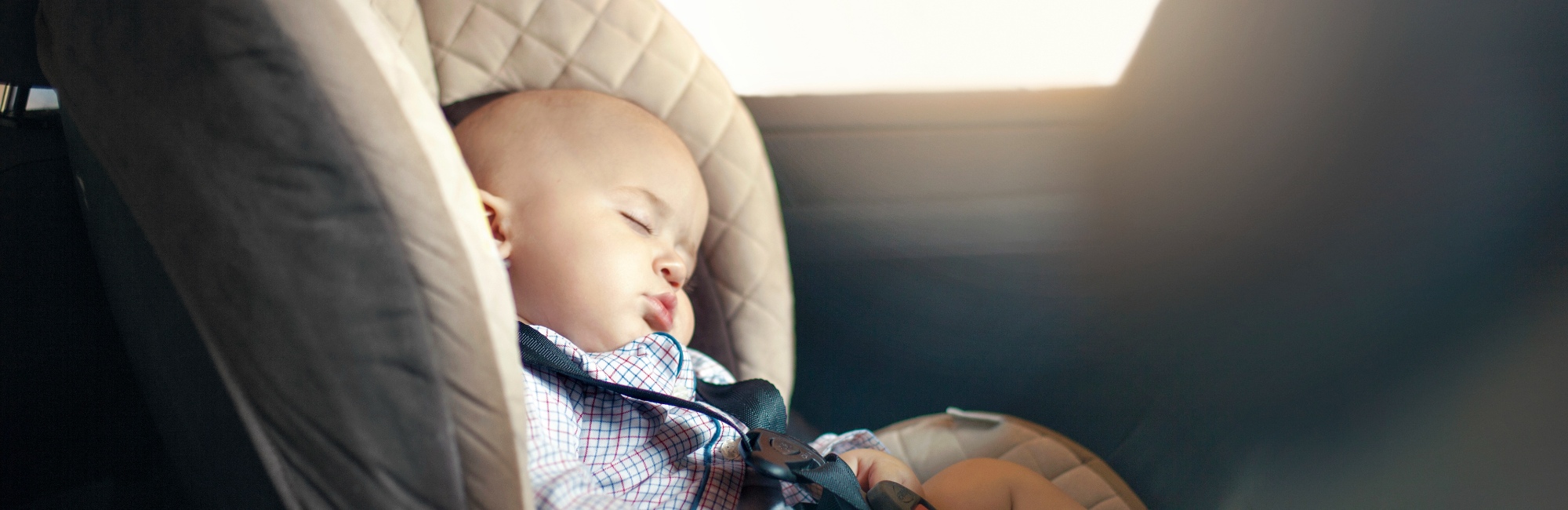
baby napping in carseat during the afternoon

Try not to let your baby nap close to sunset

It's usually best if babies don't nap close to when the sun is going down. This helps the body clock know the difference between daytime (which is for living) and night-time (which is for the Big Sleep). Baby's late afternoon naps can cause disruptions, from the point of view of your family's sleep health! Both late afternoon and evening naps can result, over time, in extremely late bedtimes or excessive waking during the nights.

If your baby is a newborn or still very young, please read

Keep reading
logo‑possums

Possums in your inbox

Evidence-based insights, tips, and tools. Occasional updates.

For parents

parents homebrowse all programsfind answers nowprograms in audiogroup sessions with dr pam

For professionals

possums for professionals
(the ndc institute)
guest speakers

About

the science behind possums/ndcwho we arendc research publicationsdr pam’s books

More resources

free resourcesdr pam’s blog

Clinical consultation

consult with dr pamfind a possums clinicfind an ndc accredited practitioner

Help & support

contact usfaqour social enterpriseprivacy policyterms & conditions

Social

instagramlinked infacebook

Possums acknowledges the traditional owners of the lands upon which The Possums Programs have been created, the Yuggera and Turrbal Peoples. We acknowledge that First Nations have breastfed, slept with, and lovingly raised their children on Australian lands for at least 65,000 years, to become the oldest continuous living culture on Earth. Possums stands with the Uluru Statement from the Heart.