Logo - The Possums baby and toddler sleep program.
parents home
librarybrowse all programsfind answers nowaudioprograms in audiogroup sessionsgroup sessions with dr pam
menu icon NDC Institute
possums for professionals
(the ndc institute)
menu icon eventsguest speakers
menu icon the sciencethe science behind possums/ndcmenu icon who we arewho we aremenu icon evidence basendc research publicationsmenu icon dr pam's booksdr pam's books
menu icon free resourcesfree resourcesmenu icon dr pam's blogdr pam's blog
menu icon consult with dr pamconsult with dr pammenu icon consult with dr pamfind a possums clinicmenu icon find a NDC accredited practitionerfind an ndc accredited practitioner
login-iconlogin

Welcome back!

Forgot password
get access
search

Search programs

PBL Intermediate icon

PBL Intermediate


  • Experimenting is your secret strength when you're caring for a baby
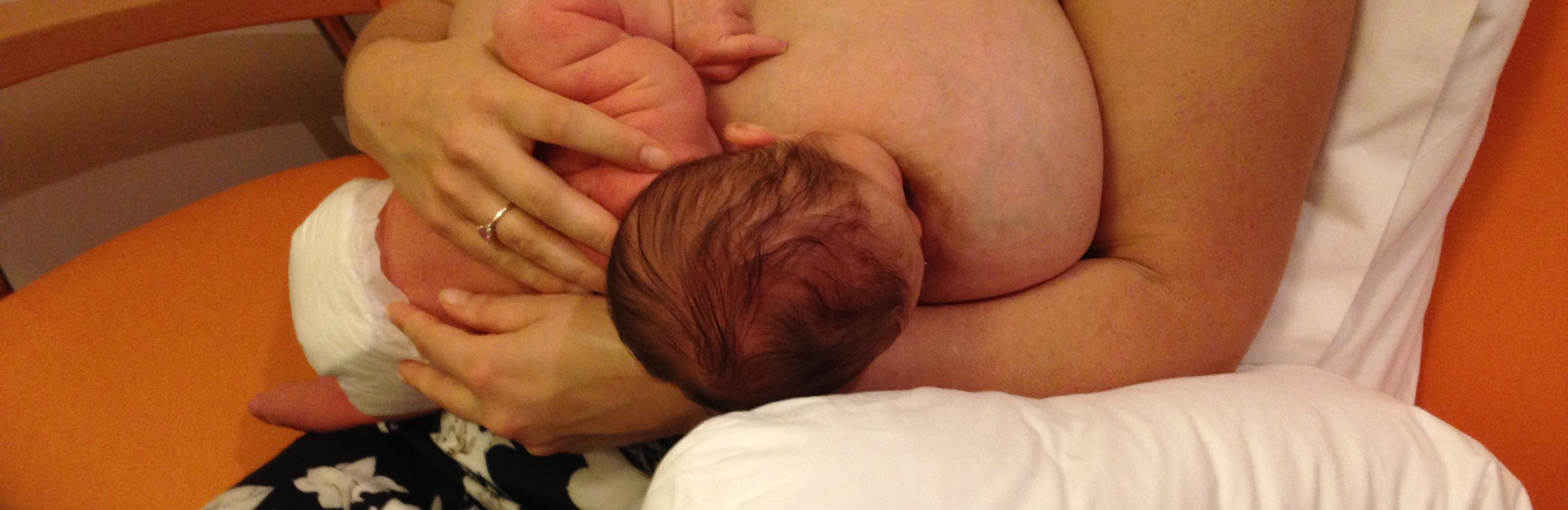
  • Physical comfort when you're breastfeeding includes thinking about chairs and cushions (especially in the early days)
  • The four main directions in which nipples look and how noticing this helps when you're breastfeeding
  • Sally shows why it helps to notice your breast-belly contour (as well as the direction your nipples look) as you prepare to breastfeed
  • How to roll up a facecloth for better exposure of your breast's 'landing pad' (+ when this doesn't work!)
  • Things to watch out for if you're experimenting with a rolled up cloth under your breast + a word about the 'breastfeeding buddy'

Next article

Sign up now
  • PBL Intermediate
  • S4: Getting fit and hold right for you and your baby
  • CH 2: What can be helpful to think about before bringing baby on to your breast

Experimenting is your secret strength when you're caring for a baby

Dr Pamela Douglas17th of Aug 202321st of May 2024

person in the sea using a stand up paddle board

Experimenting with responses to your baby's communications is a great strength

The capacity to experiment your way through life with your baby is a great strength. The psychological research tells us that people who can be flexible in their responses to life, trying one thing, trying another, are more resilient when faced with life’s challenges. You'll soon find you're constantly experimenting with responses to your baby’s communications, trying something else if the first thing you try doesn’t work to dial him down.

Parents often say to me they have no idea what their baby is communicating. I explain that this is normal. No-one ever really knows what their baby is trying to communicate! But we experiment to see what works.

Experimenting with your responses is like paddle-boarding or surfing

To navigate a river on a paddleboard or in a canoe, or to surf the ocean waves, we're adapting all the time to the swell and movement of the water beneath us. We're repeatedly shifting our weight, adjusting our posture.

Caring for a baby is much like this. We respond, we experiment, we adjust. Some days everything seems reasonably easy. Some days there is a swell or heavy surf and it's very hard going. Sometimes what we try doesn’t work and we fall right off into the water. We get back on and try again.

And again.

That's the nature of experimenting, when we're caring for a baby! Constant problem solving, constantly checking out new ideas to see what feels right, at least for now.

You could call it The Great Muddling Through!

surfer falling off their surfboard

If your baby cries and fusses a lot, you might feel completely at a loss, and demoralised. Having a baby who cries excessively is a crisis for families. If this is your family’s situation, please take a look at the Possums articles on the crying baby, and also have your baby checked over by your family doctor.

Recommended resources

The discontented little baby book. Dr Pamela Douglas
Finished

share this article

Next up in What can be helpful to think about before bringing baby on to your breast

Physical comfort when you're breastfeeding includes thinking about chairs and cushions (especially in the early days)

x

Choosing the right breastfeeding chair and footstool

Chair arms on either side of you can interfere with your baby's positional stability during breastfeeding.

Your baby will tend to push away once her feet contact the chair arms, which risks breast tissue drag and positional instability during breastfeeds, causing fussy behaviour and difficulty coming on or staying on the breast. Resting your elbow and forearm on the chair arms may also position them at a height that worsens breast tissue drag.

I suggest having a two-seater lounge chair available, with a separate footstool. You might purchase a cheap toddler step stool which your child will use, before you know it, for the toilet. Your footstool needs to be…

Keep reading
logo‑possums

Possums in your inbox

Evidence-based insights, tips, and tools. Occasional updates.

For parents

parents homebrowse all programsfind answers nowprograms in audiogroup sessions with dr pam

For professionals

possums for professionals
(the ndc institute)
guest speakers

About

the science behind possums/ndcwho we arendc research publicationsdr pam’s books

More resources

free resourcesdr pam’s blog

Clinical consultation

consult with dr pamfind a possums clinicfind an ndc accredited practitioner

Help & support

contact usfaqour social enterpriseprivacy policyterms & conditions

Social

instagramlinked infacebook

Possums acknowledges the traditional owners of the lands upon which The Possums Programs have been created, the Yuggera and Turrbal Peoples. We acknowledge that First Nations have breastfed, slept with, and lovingly raised their children on Australian lands for at least 65,000 years, to become the oldest continuous living culture on Earth. Possums stands with the Uluru Statement from the Heart.