Logo - The Possums baby and toddler sleep program.
parents home
librarybrowse all programsfind answers nowaudioprograms in audiogroup sessionsgroup sessions with dr pam
menu icon NDC Institute
possums for professionals
(the ndc institute)
menu icon eventsguest speakers
menu icon the sciencethe science behind possums/ndcmenu icon who we arewho we aremenu icon evidence basendc research publicationsmenu icon dr pam's booksdr pam's books
menu icon free resourcesfree resourcesmenu icon dr pam's blogdr pam's blog
menu icon consult with dr pamconsult with dr pammenu icon consult with dr pamfind a possums clinicmenu icon find a NDC accredited practitionerfind an ndc accredited practitioner
login-iconlogin

Welcome back!

Forgot password
get access
search

Search programs

Caring for You icon

Caring for You


  • When you're caring for a baby or toddler, talk to yourself the way someone who deeply loves you would
  • Try paying mindful attention during small and ordinary tasks when you're caring for a baby or toddler
  • Make time to do small things that you enjoy in the midst of your life with a baby or toddler
  • Get creative about physical activity (outside the house) when you're caring for a baby
  • Get creative about physical activity (outside the house) when you're caring for a toddler
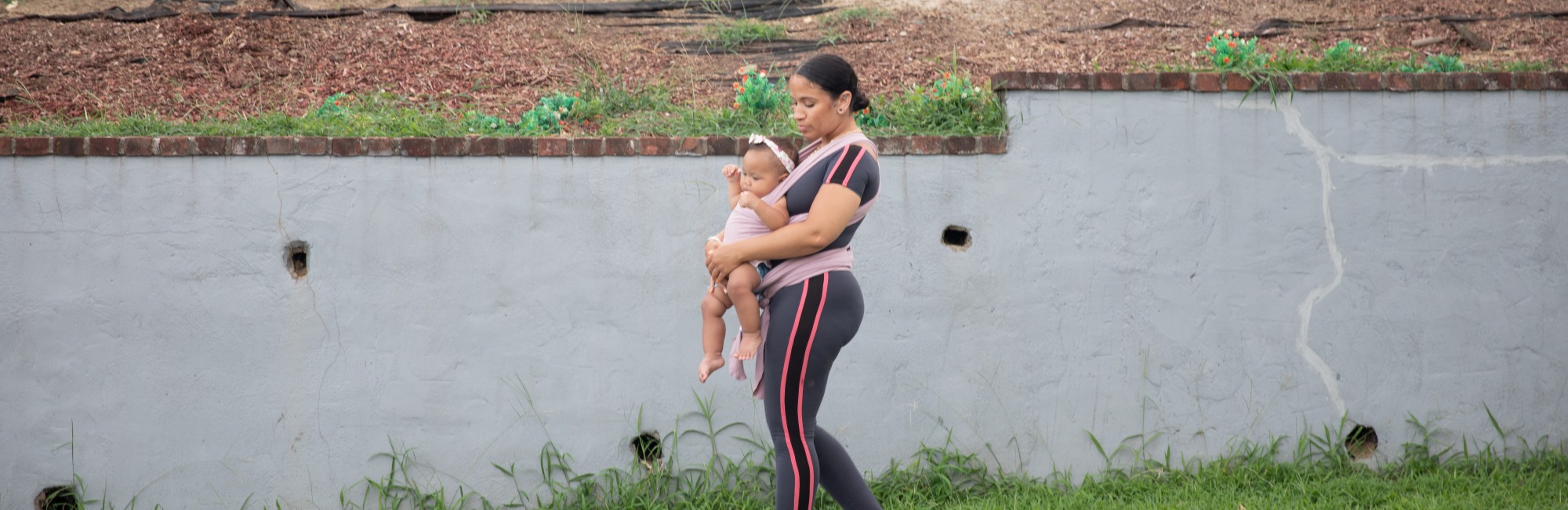
  • Go for lots of walks when you're caring for a baby or toddler
  • It helps to pay attention to things you're grateful for when caring for a baby or toddler
  • Spend time with kind and encouraging people when you're caring for a baby or toddler
  • Spend as much time in green or blue spaces as possible when you're caring for a baby or toddler
  • You could create a virtual or physical place of beauty and safety to visit sometimes when you're caring for a baby or toddler
  • You could create your own Ultimate Compassionate Image to look at sometimes when you're caring for a baby or toddler

Listen to audio program

Next article

Sign up now
  • Caring for You
  • S4: Your self-compassion superpowers

Get creative about physical activity (outside the house) when you're caring for a toddler

Dr Pamela Douglas9th of May 202423rd of May 2024

parent riding bike with sidecar containing toddler outside

Do you remember a time when you wished you could fit more exercise into your life?

Now that you have a small child (or two, or more), here's your chance! Moving your body as much as possible when you are caring for a toddler is important because

  • Moving a lot feels good

  • Being out of the house and on the move keeps toddlers dialled down

  • Being on the move outside the home can make a big difference (over time) to your family's sleep

  • Independently of small children, lots of physical activity improves adult

    • Sleep

    • Mental and emotional wellbeing

    • Immune health

    • Physical health.

From a life-time working as a GP, I've formed the view that each of us, whether we're in the perinatal period or not, needs to expand ways in which we enjoy moving so that we're not really exercising, just delighting in the miracle of being alive and active in our own precious human body. Any serious, goal-oriented fitness and conditioning exercise you decide to layer in on top of a baseline, daily joy of movement becomes a bonus.

I acknowledge that many carers of babies and toddlers live with disabilities. Some may not find this article helpful. For others it may bring up grief. If this is you, you might enjoy the website disABILITY maternity care.

How to move alot when you're caring for a toddler

It's true that when you're in the role of primary carer of a toddler, your days are inevitably full of the physicality of bending and lifting and stretching and reaching.

Going for a walk with the toddler in a front carrier (looking out) or a backpack carrier works well for many primary carers, especially if the toddler won't tolerate the stroller for long. Toddlers seem to find being in a backpack much more interesting!

Here are other ways women or primary carers keep moving when caring for a toddler.

  • Mums and kids yoga

  • Riding your bike with your child in a trailer or a child seat fixed on the back. Having your little one able to see the world around him and feel the fresh air is an important part of this sensory motor experience

  • If you need to be at home, turning on your favourite music and dancing with your little one

  • Gardening

  • If you're a runner, you might invest in a jogger, which is a stroller designed especially for someone running with a small child. But most often at my local parkrun, parents run (or walk) pushing ordinary strollers

  • Is there a child-friendly gym near you?

Selected references

Huang H-H, Stubbs B, Chen L-J. The effect of physical activity on sleep disturbance in various populations: a scoping review of randomized clinical trials. International Journal of Behavioral Nutrition and Physical Activity. 2023;20(44):https://doi.org/10.1186/s12966-12023-01449-12967.

Wang J, Carru C, Sedda S. Comparative impact of exercise-based interventions for postpartum depression: a Bayesian network meta-analysis. International Journal of Gynecology and Obstetrics. 2023;00:1-9.

Recommended resources, acknowledgements, and selected references for the articles in the Caring for you section of The Possums Sleep Program are found here, including selected research evaluations of both Acceptance and Commitment Therapy and Compassion-focused Therapy in the perinatal period.
Finished

share this article

Next up in Your self-compassion superpowers

Go for lots of walks when you're caring for a baby or toddler

mother walks outside with baby in forward facing carrier

Many parents walk, and walk, and walk some more when they're caring for a baby or toddler!

Walking is great for sleep, both yours and your small child's. Walking provides your baby or toddler with lovely rich sensory motor experiences, which keep her dialled down while her sleep pressure is rising. This helps a lot with night-time sleep. And walking is great for your mental and emotional well-being!

I acknowledge that many carers of babies and toddlers live with disabilities. If this is your situation, you may not…

Keep reading
logo‑possums

Possums in your inbox

Evidence-based insights, tips, and tools. Occasional updates.

For parents

parents homebrowse all programsfind answers nowprograms in audiogroup sessions with dr pam

For professionals

possums for professionals
(the ndc institute)
guest speakers

About

the science behind possums/ndcwho we arendc research publicationsdr pam’s books

More resources

free resourcesdr pam’s blog

Clinical consultation

consult with dr pamfind a possums clinicfind an ndc accredited practitioner

Help & support

contact usfaqour social enterpriseprivacy policyterms & conditions

Social

instagramlinked infacebook

Possums acknowledges the traditional owners of the lands upon which The Possums Programs have been created, the Yuggera and Turrbal Peoples. We acknowledge that First Nations have breastfed, slept with, and lovingly raised their children on Australian lands for at least 65,000 years, to become the oldest continuous living culture on Earth. Possums stands with the Uluru Statement from the Heart.