Logo - The Possums baby and toddler sleep program.
parents home
librarybrowse all programsfind answers nowaudioprograms in audiogroup sessionsgroup sessions with dr pam
menu icon NDC Institute
possums for professionals
(the ndc institute)
menu icon eventsguest speakers
menu icon the sciencethe science behind possums/ndcmenu icon who we arewho we aremenu icon evidence basendc research publicationsmenu icon dr pam's booksdr pam's books
menu icon free resourcesfree resourcesmenu icon dr pam's blogdr pam's blog
menu icon consult with dr pamconsult with dr pammenu icon consult with dr pamfind a possums clinicmenu icon find a NDC accredited practitionerfind an ndc accredited practitioner
login-iconlogin

Welcome back!

Forgot password
get access
search

Search programs

PBL Intermediate icon

PBL Intermediate


  • Your breasts and milk evolved from an ancestral immune system
  • Your breasts are powered by an ancient genetic code which knows how to regulate inflammation
  • Your milk is full of living cells (which aren't the microbiome)
  • Human microbiomes, your baby's gut microbiome, and biofilms
  • What's in your milk microbiome?
  • How does your milk microbiome get started?
  • Busting myths about your and your baby's various microbiomes
  • What is dysbiosis of your milk microbiome?

Next article

Sign up now
  • PBL Intermediate
  • S2: The life and milk of your working breasts
  • CH 2: Your specialised mammary immune system + microbiomes

Your milk is full of living cells (which aren't the microbiome)

Dr Pamela Douglas14th of Oct 202514th of Oct 2025

x

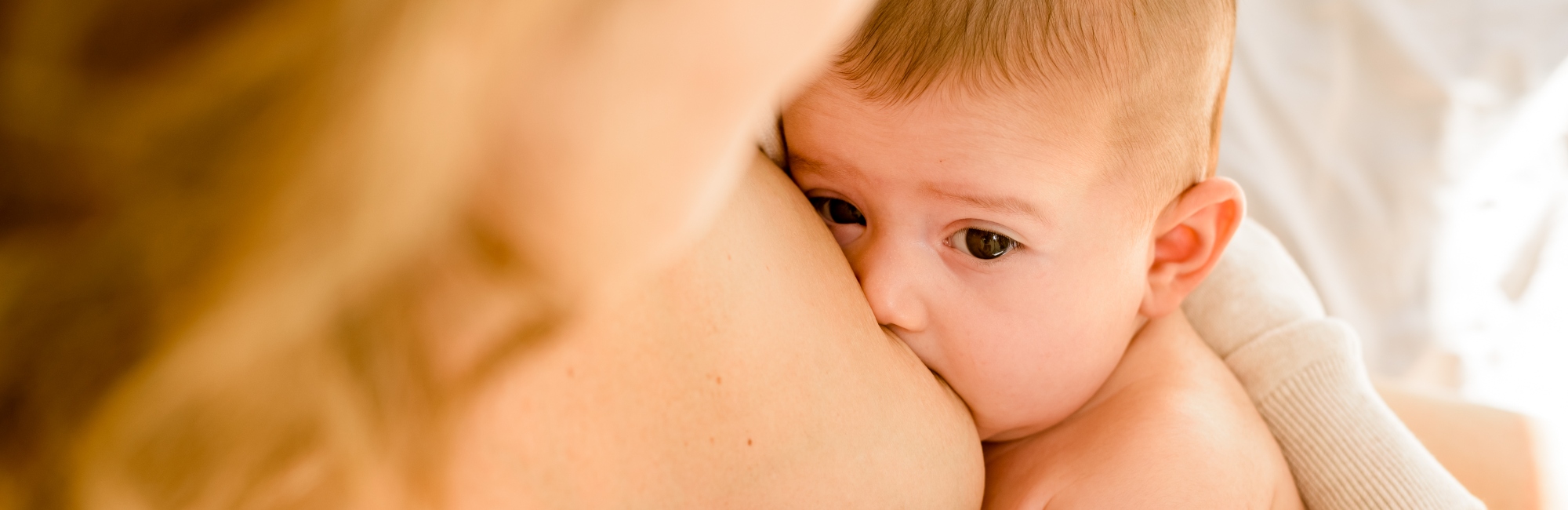
Every breastfeed is a gift of millions of protective living cells

You have thousands of living cells in each millilitre of your mature milk (and lots that are dead, too, but which still continue to strengthen your baby's immune system). I'm not talking here about the live organisms which make up your milk microbiome, but about the powerful protective cells which are made by your own body. Some come from your blood, some come from your breast tissue. This is quite different to commercial milk formula, for instance, which doesn't include any viable cells.

As usual in biological systems, there are very high levels of variability in milk cell numbers between you and other women, and also from day to day in your own milk, and one is ‘healthier’ than the other. Milk cell numbers also vary throughout the different phases of your milk-making.

Three kinds of cells from your body inhabit the living tissue of your milk.

1. Cells from the lining of your milk glands and ducts

Ninety-eight percent of the living cells found within your milk are lactocytes and myoepithelial cells which have been discarded from the constantly renewing alveoli and ducts. They continue to make and secrete milk proteins and other factors, and interact to strengthen your breasts' immune responses inside your milk.

2. Immune cells

A fluctuating number are cells from your blood, in particular the white cells known as leucocytes. Each millilitre of your milk contains perhaps 260,000 leucocyctes.

  • White cells from your blood and lymphatic vessels migrate into your milk through the tight junctions between your lactocytes or milk-making cells. They protect your baby by regulating baby's immune response, and they also produce a range of bioactive substances.

  • If you have a breast inflammation such as nipple pain, blocked ducts mastitis or abscess, or if your baby has an infection, your leucocyte numbers dramatically increase. For instance, in mastitis,leucocytes increase from 2% to up to 95% of your milk cells! During periods of infection of either mother or infant, number of protective leucocytes your baby ingests daily can reach billions!

3. Stem cells

Your baby receives a powerful stem cell transplant from your own body many times a day, when you're breastfeeding!

Up to six percent of the cells inside your breast milk are stem, which travel into your baby's gut to strengthen your baby's immune system, and which also have the capacity to repair tissue inside your own breast by turning into lactocytes and myoepithelial cells.

Amazingly, stem cells are found in the milk you make for your toddler if you continue to breastfeed, two to four years after you gave birth!
Finished

share this article

Next up in Your specialised mammary immune system + microbiomes

Human microbiomes, your baby's gut microbiome, and biofilms

x

Humans and all life forms on Earth have evolved from ... bacteria

Can you believe that the human body is home for approximately 40 trillion bacteria, with approximately 99% of them living in the human colon? It is hard to believe - but in fact, life on Earth began 3.5 billion years ago with the astonishing appearance of single-celled microorganisms - arising out of chemical reactions and minerals - and these were the only form of life for a whole three billion years!

All life-forms evolved out of these single-celled bacteria, including humans. Single cell organisms joined together to become multi-celled organisms, with different cells developing different qualities…

Keep reading
logo‑possums

Possums in your inbox

Evidence-based insights, tips, and tools. Occasional updates.

For parents

parents homebrowse all programsfind answers nowprograms in audiogroup sessions with dr pam

For professionals

possums for professionals
(the ndc institute)
guest speakers

About

the science behind possums/ndcwho we arendc research publicationsdr pam’s books

More resources

free resourcesdr pam’s blog

Clinical consultation

consult with dr pamfind a possums clinicfind an ndc accredited practitioner

Help & support

contact usfaqour social enterpriseprivacy policyterms & conditions

Social

instagramlinked infacebook

Possums acknowledges the traditional owners of the lands upon which The Possums Programs have been created, the Yuggera and Turrbal Peoples. We acknowledge that First Nations have breastfed, slept with, and lovingly raised their children on Australian lands for at least 65,000 years, to become the oldest continuous living culture on Earth. Possums stands with the Uluru Statement from the Heart.