
The biological vulnerability of your nipple and areola skin when lactating
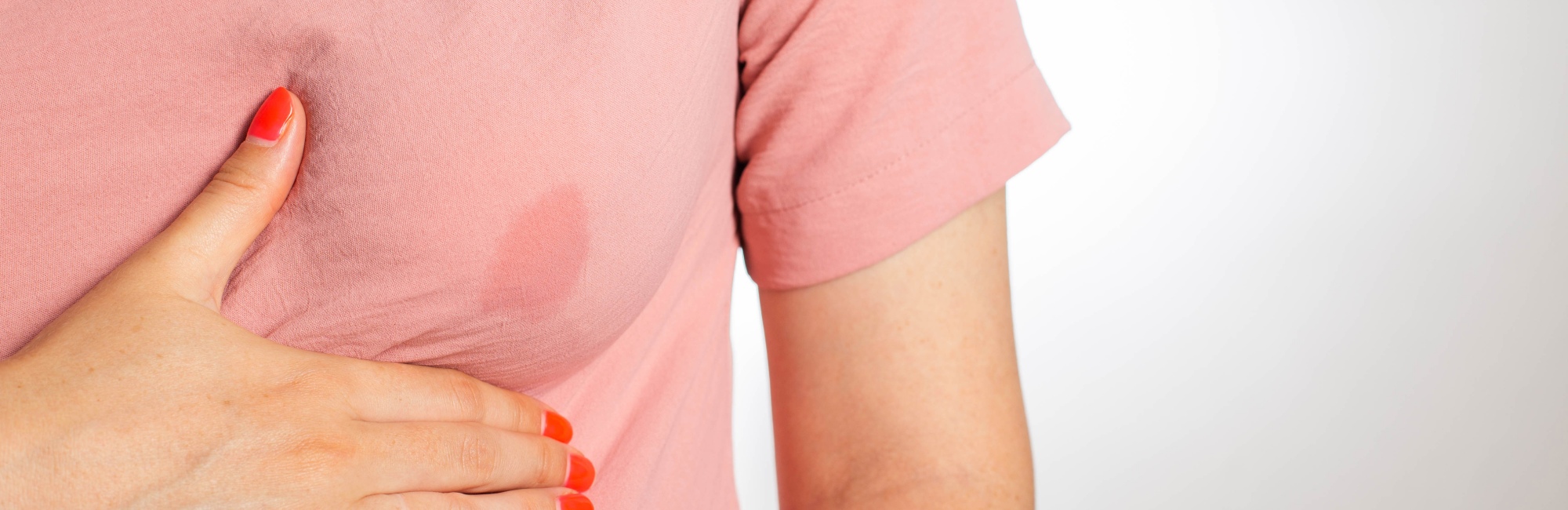
There are five ways in which the skin of your nipple and areola is uniquely challenged during breastfeeding
1. Your nipple doesn't have a fatty layer directly underneath the skin
Most skin has a fatty subcutaneous layer, but the nipple doesn't. There is a fatty layer under the muscle fibres of your areola, only. A nipple core is composed of irregular fibrous or collagen tissue, with the dermis resting directly on this fibrous tissue.
From an evolutionary perspective, this offers three advantages.
-
The vacuum of baby's suckling acts directly upon the lactiferous ducts which lie both inside the nipple and around the base of the nipple, without the complication of an added cushioning layer which also has to be crammed into your baby's mouth. The vacuum of suckling acts directly upon the ducts to help them open up and empty.
-
Women's nipple can achieve a firmer shape than would be possible if there was an extra fatty layer under the skin. When the nipple smooth muscles contract, the lack of a subcutaneous layer allows the nipple to achieve a heightened visual and tactile effect, orienting the baby for suckling.
The downside to this is that if there is nipple and breast tissue drag, the epidermis and dermis, sitting on top of fibrous connective tissue, are more vulnerable to stretching and shearing forces inside baby's mouth, without the cushioning effect of a subcutaneous layer underneath them.
When there are forces dragging on your nipple in a different direction to the vacuum your baby creates when suckling, the epidermis becomes inflamed or even breaks, developing into cracks and ulcers. You can find out about this here.
2. Your nipple is exquisitely sensitive to pain perception
In the dermis of your nipple, there is an unusually high concentrations of nerve cell endings known as nociceptors, which are for pain perception, compared to the male nipple dermis. This sensitivity warns you early on of nipple and breast tissue drag, and is protective.
But it also means that the pain of nipple inflammation and damage is severe. Women have often said to me over the years that they would prefer the pain of giving birth, either vaginally or by caesarian, rather than the pain of nipple inflammation and damage.
3. Once your nipple or areola are inflamed or wounded, ongoing direct breastfeeding can slow down healing
When you are breastfeeding, your nipple and areola skin is exposed to repetitive and rhythmic mechanical load by a vacuum which generates stretching forces, perhaps twelve times in a twenty-four hour period, perhaps for something like two or even four hours total each twenty-four hour period.
4. The areolar has sweat glands which secrete more moisture (and also more defence proteins) than most other skin
Areolar sweat and mammary glands secrete more moisture than many other skin sites. The abundant defence proteins in this sweat are protective, But the moisture also make the nipple and areola skin more prone to overhydration, if other unphysiological sources of moisture (like the application of various potions or creams or ointments) are added in.
5. Bras and breast pads form a moist, occlusive dressing over your nipple and areola
Bras and breast pads form what we could call a functionally occlusive dressing. Bras make it more likely that your nipple epidermis overhydrates, which makes your nipple more likely to crack, or to develop moisture-associated skin damage.
-
You can find out about bras and breastfeeding here.
-
You can find out about moisture-associated skin damage here.
Recommended resources
The four main directions in which nipples look: what to do
What to notice in front of the mirror before you bring baby on to the breast
The protective powers of nipple and areolar skin when you're lactating
Things to know about your nipple and areola skin and microbiome when you're lactating
Your nipple skin knows how to adapt to the mechanical pressures of breastfeeding (or pumping)
The biological vulnerability of your nipple and areola skin when lactating
-fotor-20231221163224.jpg)