Five ways to help prevent breast inflammation when you're lactating
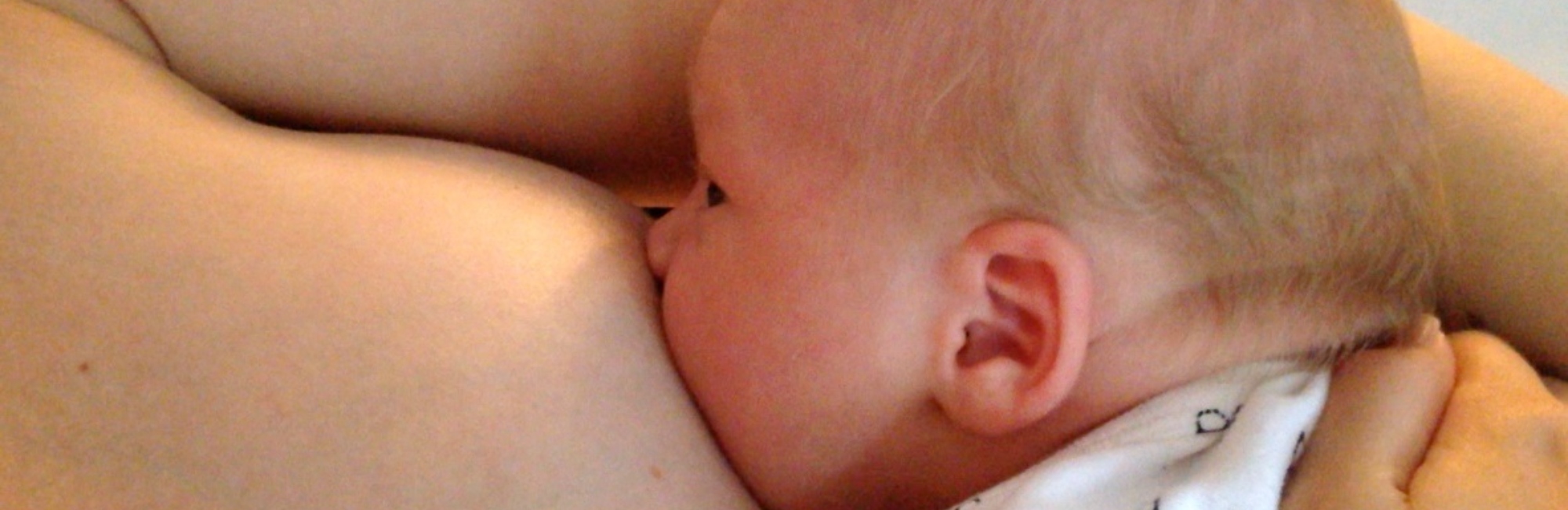
There are no promises - but the research suggests steps which are likely to help protect you from mastitis or breast inflammation
There aren't evaluation studies yet to support the Possums (or Neuroprotective Developmental Care) approach to preventing breast inflammation which I detail in the table below. These steps are based upon the NDC mechanobiological model of breast inflammation, which has been peer-reviewed and published.
You may notice differences to other advice about preventing breast inflammation. These other clinical guidelines are also based upon (unproven) theories, but unfortunately theories are often presented as fact! NDC practitioners aim to be honest about what is theory and what is proven - and to show why the evidence suggests that the NDC or Possums approaches are the most likely to be effective.
How to best protect your breasts from mastitis or inflammation when you're lactating
| Strategy | Why is this strategy likely to be protective? |
|---|---|
| 1. Working breasts are often quite lumpy. These lumps go away with breast feeds. You don’t need to do anything about them, except offer your baby frequent flexible breastfeeds – and see your doctor if any lump persists for more than a week. | For a long time, women were told to massage out any lumps. This caused deep bruises in the fragile, highly vascular tissue of the lactating breast, which is likely to worsen breast inflammation and increase the risk of abscess. |
| 2. Offer the breast to your baby frequently and flexibly, without pressuring your baby. Frequent flexible breastfeeding, as its meant in the Possums programs, is different to breastfeeding on demand in important ways. | Spacing out breastfeeds can result in a build-up of milk which triggers breast inflammation. We can trust your baby to self-regulate his milk needs and your supply (once underlying problems have been sorted out). Babies are very sensitive to being pressured at the breast though, which can accidentally backfire and create a conditioned dialling up at the breast, which we definitely want to avoid! |
| 2. Try to get rid of any breast tissue drag during breastfeeding (and also during pumping), especially if you have nipple pain. | Breast tissue drag during suckling compresses or squashes the milk ducts, resulting in backpressure in the glands, triggering inflammation. Nipple pain is a definite sign of breast tissue drag. |
| 4. Never apply any pressure or vibration to a developing breast lump. Even light massage can be irritating to highly vascular, sensitive breast tissue, and doesn't help (despite what you might hear) so is best avoided | External pressure on the breast may bruise or irritate the very sensitive, vascular, hardworking tissues of your breast, which worsens the inflammation. You can think of this as being similar to a pimple or zit on your face. If you keep touching it with your fingertip, no matter how lightly, it is likely to keep worsening. If you leave it completely alone, your body's immune response is more likely to settle it down quickly. |
| 5. Avoid tight-fitting garments or bras or breast shells and silverettes, and perhaps even silicone rolls under the breast, which place mechanical pressure on the breast. If you do decide to use them, just do so cautiously, being aware of the risks. Be aware that wearable pumps also risk placing prolonged mechanical pressure on your breasts. | Any mechanical pressure will squash or compress the milk ducts, which are very easily compressible. 60% of your milk ducts are in a three centimetre diameter around the base of your nipple. Because your milk glands continue to secrete milk, milk pressure might continue to rise inside the glands if the ducts are compressed, until inflammation is triggered. |
Selected references
Crepinsek MA, Taylor EA, Michener K, Stewart F. Interventions for preventing mastitis after childbirth. Cochrane Database of Systematic Reviews. 2020(9):CD007239.
Douglas P. Re-thinking benign inflammation of the lactating breast: a mechanobiological model. Women's Health. 2022;18:17455065221075907.
Douglas PS. Re-thinking benign inflammation of the lactating breast: classification, prevention, and management. Women's Health. 2022;18:17455057221091349.
Douglas PS. Does the Academy of Breastfeeding Medicine Clinical Protocol #36 'The Mastitis Spectrum' promote overtreatment and risk worsened outcomes for breastfeeding families? Commentary. International Breastfeeding Journal. 2023;18:Article no. 51 https://doi.org/10.1186/s13006-13023-00588-13008.