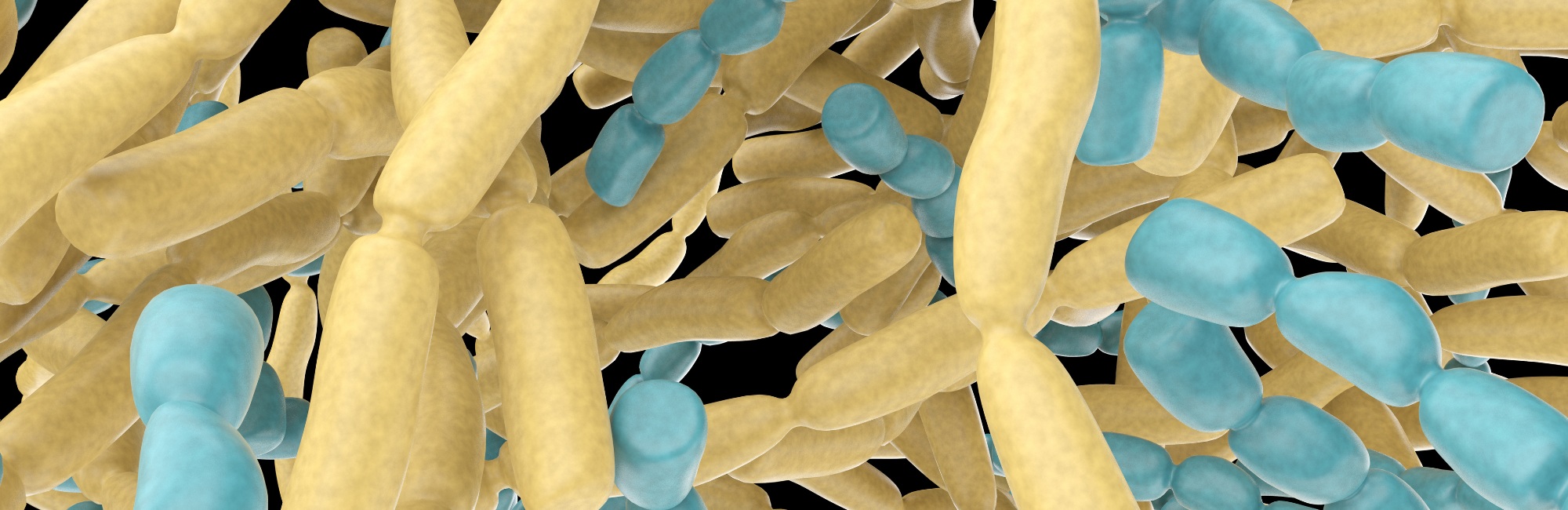
The bad bugs theory has resulted in catastrophic antimicrobial resistances
Antibiotics continue to save lives - but we need to use them cautiously
Sometimes we need to use an antibiotic, including when we're breastfeeding, so discuss this carefully with your doctor. It's true that even small quantities of antibiotics in your milk will alter your milk and your baby's gut microbiota, but importantly, this is only a temporary effect with no known implications for babies. (There's no reason to think taking a probiotic in this circumstance will make any difference for your little one - your breast milk, with its rich microbiome, is the only probiotic your baby needs.)
However, there are indications that antibiotics are being overprescribed in the postpartum period. For example
-
In North America at least 40% of babies are exposed to antibiotics by the time they are born .
-
Up to 38% of breastfeeding women report taking an antibiotic.
-
A 2024 study has found that 98% of Australian women who presented to their GPs with mastitis were prescribed antibiotic treatment.
The slow motion global catastrophe of antimicrobial resistance
In the 21st century, the World Health Organisation has declared anti-microbial resistance a slow-motion global health catastrophe, requiring urgent global action. Microbiologists search our seas and soils desperately hunting for bacteria which secrete new kinds of antibiotics (since bacteria are now known to secrete a staggering range of natural products which kill other microorganisms). Health professionals are ethically obliged to minimise antibiotic and antifungal use.
Antibiotic over-prescribing has been described as a tragedy of the commons, in which a shared resource is over-exploited by some, acting in their own interests, to the eventual detriment of all, due to the development of anti-microbial resistance.
Yet when we care for mothers and babies, our clinical guidelines still often promote unproven pharmaceutical treatments, including widespread and unnecessary use of antibiotics and antifungals. This is a serious problem, which the NDC or Possums programs try to carefully address.
A brief history of antibiotics: my mother's story
Modern antibiotic development began in the first decades of the 20th century with the life-saving discovery that bacteria secrete natural products to kill other bacteria.
My mother was hospitalised for an entire year when she was five, during the Second World War. This was before antibiotics were widely available, to help her recover from various infections after she received pioneering surgery for congenital hip dysplasia. Her parents were only allowed to visit for a couple of hours a week. This experience as a child - prolonged hospitalisation in the pre-antibiotic era - has shaped her life and mine in strange ways, but that's another story! It's also possible that an uncontrollable infection could have taken her life, in the way many lives were lost to infection prior to the miracle of antibiotics.
By the time Mum birthed me in 1960, the West had entered a Golden Age of antibiotic discovery. Throughout my childhood, medical school, and my early professional life, we applied a bad bugs theory of illness: any microorganisms cultured from patients were considered to be pathogens which threatened human health, to be eliminated by taking an antibiotic.
In the time that I've been alive, countless human lives have been saved from bacterial infection because of antibiotics. Although I've always tried to be conservative in my professional use of pharmaceuticals, I too have prescribed thousands of courses of antibiotics and anti-fungals throughout my career. What an extraordinary time to be alive as a human! How dramatically we've increased life expectancy by eliminating so much of the terrible toll of infectious disease!
However, the overuse of antibiotics and antifungals in the care of breastfeeding women and their babies - for nipple pain, for breast inflammation - has been another overmedicalised approach in the midst of huge health system blind spots concerning clinical breastfeeding and lactation support.
Recommended resources
Bad bugs and biofilms don't cause breast inflammation when you're lactating
Selected references
Amir LH, Crawford SB, Cullinane M, Grzeskowiak LE. General practitioners' management of mastitis in breastfeeding women: a mixed method study in Australia. BMC Primary Care. 2024;25(161):https://doi.org/10.1186/s12875-12024-02414-12874.