Logo - The Possums baby and toddler sleep program.
parents home
librarybrowse all programsfind answers nowaudioprograms in audiogroup sessionsgroup sessions with dr pam
menu icon NDC Institute
possums for professionals
(the ndc institute)
menu icon eventsguest speakers
menu icon the sciencethe science behind possums/ndcmenu icon who we arewho we aremenu icon evidence basendc research publicationsmenu icon dr pam's booksdr pam's books
menu icon free resourcesfree resourcesmenu icon dr pam's blogdr pam's blog
menu icon consult with dr pamconsult with dr pammenu icon consult with dr pamfind a possums clinicmenu icon find a NDC accredited practitionerfind an ndc accredited practitioner
login-iconlogin

Welcome back!

Forgot password
get access
search

Search programs

PBL Foundations icon

PBL Foundations


  • COMMON BREASTFEEDING PROBLEM #1: nipple and breast tissue drag
  • How do you know if your breastfed baby has fit and hold problems?
  • Babies dial up when they have an unstable position at the breast
  • Fit and hold problems are commonly misdiagnosed in breastfeeding women and their babies
  • The three key elements of stable fit and hold for enjoyable breastfeeding
  • The mechanical effects of nipple + breast tissue drag on breastfeeding
  • Popular approaches which disrupts fit and hold

Next article

Sign up now
  • PBL Foundations
  • S3: Fit and hold: #1 breastfeeding superpower
  • CH 2: Why does fit and hold matter so much?

Popular approaches which disrupts fit and hold

Dr Pamela Douglas7th of Aug 202312th of Dec 2025

x

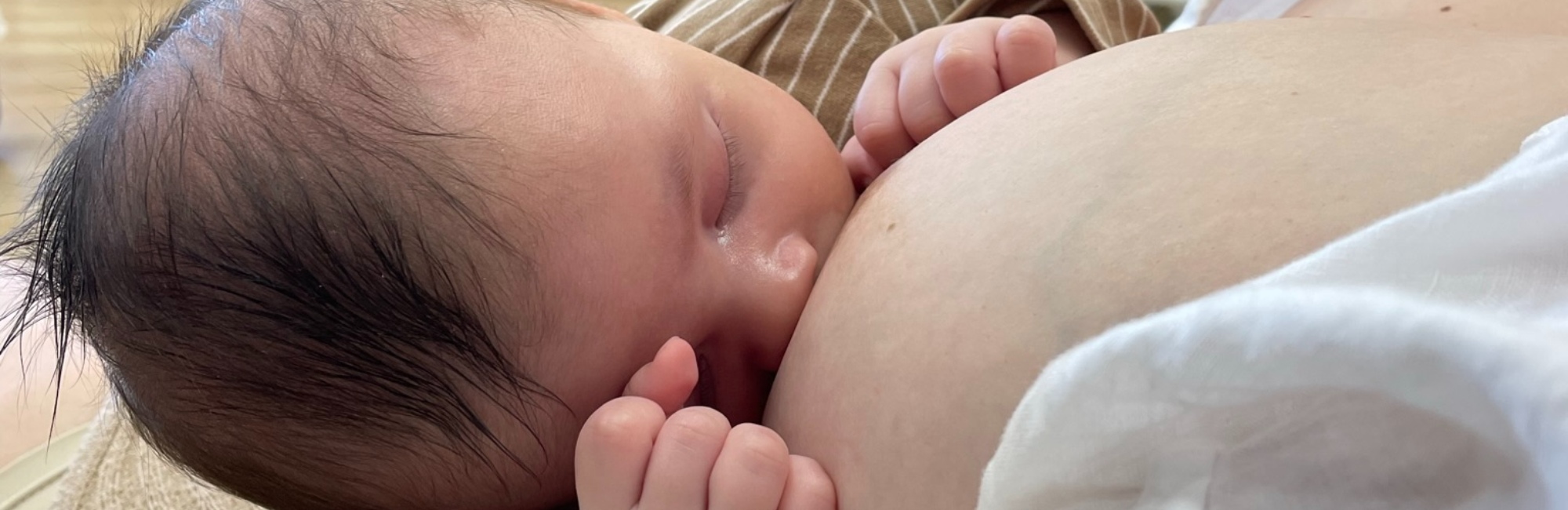
Each of the situations below can interfere with a stable fit and hold, and result in breastfeeding problems.

  • Haakaa use at the same time as you breastfeed (this applies to a standard hakaa with a bottle - the ladybird hakaa doesn't interfere with fit and hold)

  • Pumping while breastfeeding (this applies to standard bottle collector pumps - the wearables don't interfere with fit and hold in the same way)

  • Breast compression and massage while breastfeeding

  • Shaping your breast to bring baby on

  • Using a pillow on your lap

  • Aiming for 'nipple to nose' when bringing baby on (sometimes referred to as 'nipple to crown')

  • Waiting for a wide gape before bringing baby on

  • Holding baby's head in the crook of your arm

  • Starting with baby's face and mouth lower than your breast (when baby's face is smooshed in above the nipple and areola, the little one's reflexes are turned on and you can easily drop your forearm and her head down to bring her down mouth of nipple).

You'll find out why these things can cause problems as you work through how to use the gestalt method in Possums Breastfeeding & Lactation.
Finished

share this article

Next up in What is the gestalt method of fit and hold?

An evolutionary bodywork approach helps women and their babies fit together in pain-free, enjoyable breastfeeding

x

Gestalt: a whole that is more than the sum of its parts

The gestalt method is built on the belief that you are the expert on your own baby, your body, and your breastfeeding experience - but that there are some things you have the right to know, which give you the best chance of success as you experiment your way through. These things become particularly important if breastfeeding challenges come up.

The gestalt approach to helping with fit and hold in breastfeeding is a genuinely holistic form of bodywork, which I refer to as evolutionary bodywork. It's developed from three decades of my clinical experience as a breastfeeding medicine physican and lactation…

Keep reading
logo‑possums

Possums in your inbox

Evidence-based insights, tips, and tools. Occasional updates.

For parents

parents homebrowse all programsfind answers nowprograms in audiogroup sessions with dr pam

For professionals

possums for professionals
(the ndc institute)
guest speakers

About

the science behind possums/ndcwho we arendc research publicationsdr pam’s books

More resources

free resourcesdr pam’s blog

Clinical consultation

consult with dr pamfind a possums clinicfind an ndc accredited practitioner

Help & support

contact usfaqour social enterpriseprivacy policyterms & conditions

Social

instagramlinked infacebook

Possums acknowledges the traditional owners of the lands upon which The Possums Programs have been created, the Yuggera and Turrbal Peoples. We acknowledge that First Nations have breastfed, slept with, and lovingly raised their children on Australian lands for at least 65,000 years, to become the oldest continuous living culture on Earth. Possums stands with the Uluru Statement from the Heart.