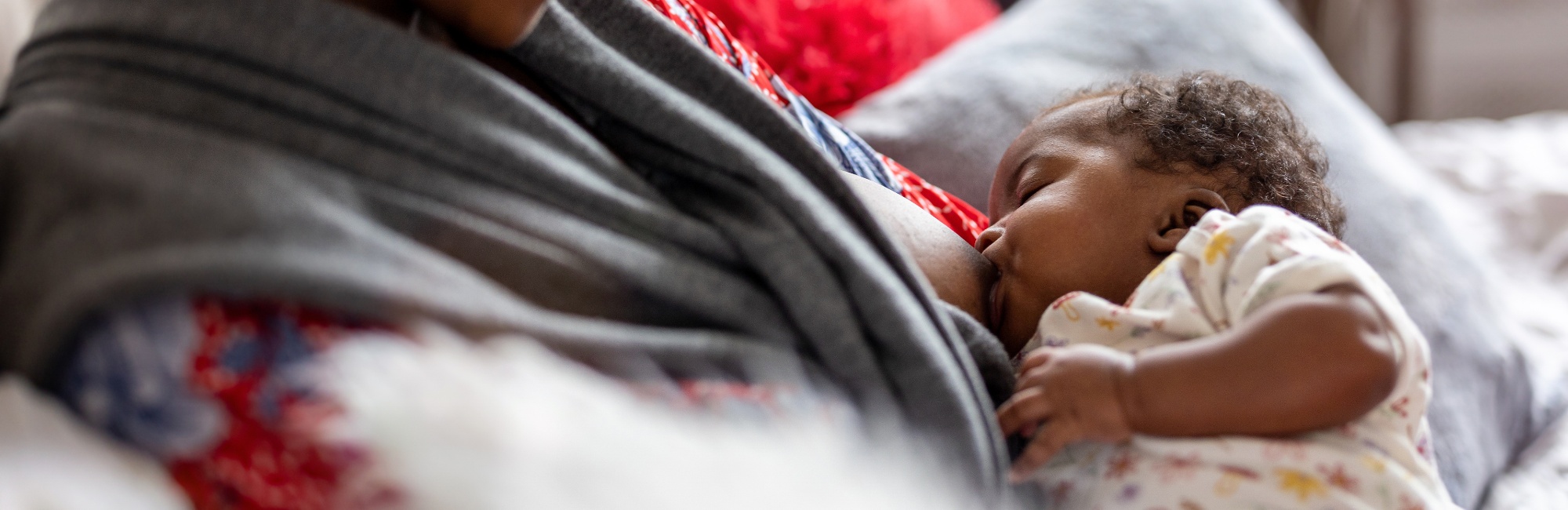
Cold compresses and anti-inflammatory medications don't help resolve mastitis or breast inflammation
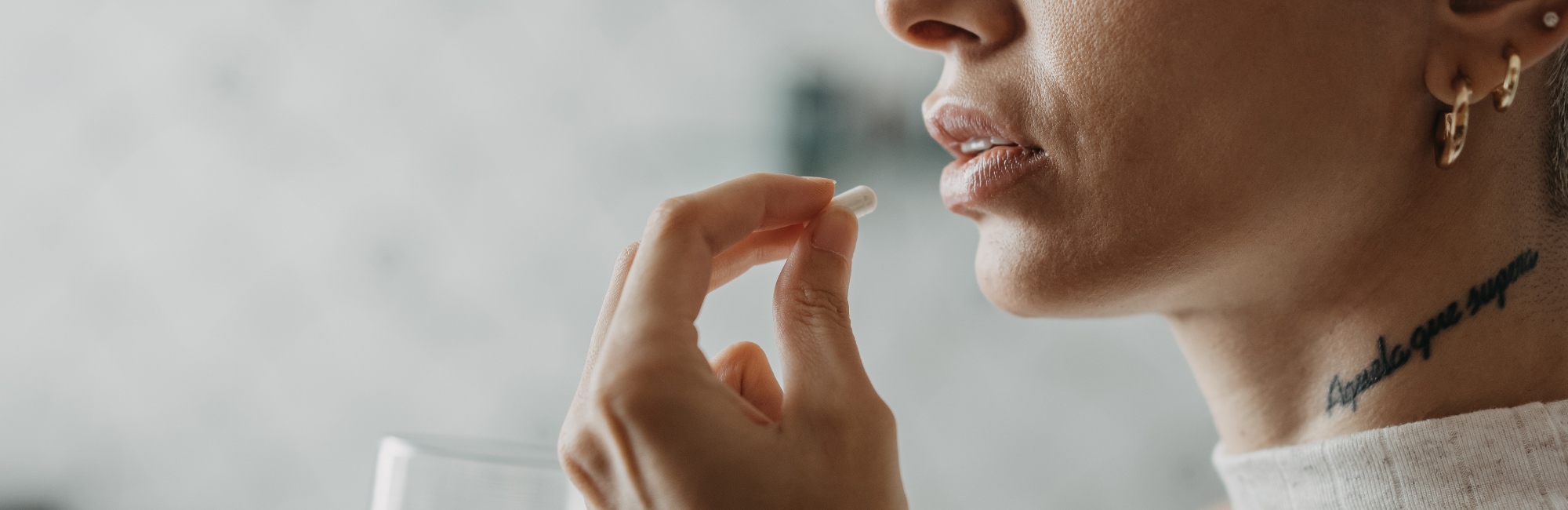
Cold applications don't help treat mastitis or breast inflammation (despite what you might hear!)
You might be told that you should start applying cold to the area of breast inflammation once you begin to experience a tender, red lump in your breast. You might hear you should do this after breastfeeds. This is not science-based advice - although if you find it easy to do and soothing, why not!
Here are the problems, though, with the routine recommendation to use cold compresses.
-
Any pressure applications may mechanically irritate the extremely sensitive inflamed tissue of your breast, which now has even more blood flow and tissue fluid than usual. Your lactating breast is already very pressure sensitive and tender, with high levels of blood flowing in and out of lacy networks of tiny blood vessels which easily break and cause deep bruising and inflammation. Now, the area of inflammation that has emerged in your breast is even more exquisitely tender and sensitive to further damage if pressure is applied.
-
Your hands are already full with a baby (and perhaps other children or responsibilities too). Given that both the existing research and physiological rationale demonstrate no reason to think cold applications actually help with healing, believing you have to apply cold after breastfeeding
-
Just makes breastfeeding that bit harder, at a time when we want baby on and off the affected breast as much as she'll do
-
Is work intensive, at a time when you're already feeling unwell.
-
-
Believing you're supposed to apply cold after a breastfeed is a distraction from what really matters, which is lots of (even very brief) moments with baby suckling from your affected breast. Better to have baby back on for half a minute (if he's interested) than sitting there (or trying to fix a snack or cup of tea or whatever) holding a cold pack on.
Anti-inflammatory and anti-fever medications don't help treat mastitis or breast inflammation (despite what you might hear!)
If you're feeling miserable with a fever, you might be advised to use the following medications because they will help you heal more quickly.
-
Ibuprofen 400 mg (two 200 mg capsules or tablets) three times daily, that is, every eight hours, after food.
-
Ibuprofen is the first choice non-steroidal anti-inflammatory (NSAID) for breastfeeding since it has been very widely used without reports of side-effects.
-
You'll hear that it reduces inflammation in your breast in a way that makes you heal quicker. This is not science-based advice, actually. There is no evidence to suggest quicker healing, and because your body's inflammatory response is your body's healing superpower, too much NSAID use could even actually show healing.
-
-
Paracetamol 800 mg three times a day for pain, which you'll hear you can take at the same time as ibuprofen. Paracetamol also suppresses fever. But you only need to suppress fever if you are feeling miserable and unwell with a fever accompanying the breast inflammation. If this is the case, I recommend using ibuprofen. There's no good reason to use both medications.
Recommended resources
PBL Foundations
Why your letdowns help prevent or heal breast inflammation
When might you need antibiotics for mastitis?
How Jessie recovered from mastitis
Why lymphatic drainage and therapeutic massage don't help with breast inflammation
PBL Intermediate
A closer look at breast inflammation, fever, and use of anti-inflammatory medications
Probiotics (including Qiara) don't help prevent or treat breast inflammation
PBL Advanced
What does the research tell us about overuse of non-steroidal anti-inflammatories?
Selected references
Zakarija-Grkovic I, Stewart F. Treatments for breast engorgement during lactation (review). Cochrane Database of Systematic Reviews. 2020(9):doi:10.1002/14651858.CD14006946.pub14651854.