The difference between biomechanics and mechanobiology in breastfeeding and lactation
What is the difference between biomechanics and mechanobiology when considering breastfeeding and lactation?
Biomechanics and mechanobiology are related but not the same. They complement each other in the study of lactation and breastfeeding.
Mechanobiology
Definition: The study of how mechanical forces influence biological processes at the cellular, tissue, and molecular level.
Focus in lactation: Investigates how suckling, milk flow and pressures, and cell and tissue mechanics affects cell behavior and tissue remodeling.
Key questions:
-
How do myoepithelial and epithelial cells respond to forces generated by suction/compression?
-
Does repeated mechanical stretch influence milk secretion or ductal growth?
-
How does pressure during milk stasis contribute to inflammation or involution?
Examples of how mechanobiology applies to clinical breastfeeding support. Mechanobiology considers
-
How suction, stretching, and compression during suckling affect duct dilation and milk ejection.
-
How mechanical stress influences mammary epithelial cells’ signaling and milk protein secretion.
-
Role of tissue remodeling during pregnancy, lactation, and involution.
Biomechanics
Definition: The study of the mechanical principles of living organisms and biological systems, especially in movement. Biomechanics is about forces, motion, deformation, and mechanics in biological systems — and breastfeeding is a highly mechanical process involving both the infant and the mother.
Focus: Physics applied to the body—forces, motion, levers, torques, and efficiency. Looks at the physical processes of milk transfer and tissue deformation during breastfeeding.
-
Infant suckling mechanics
-
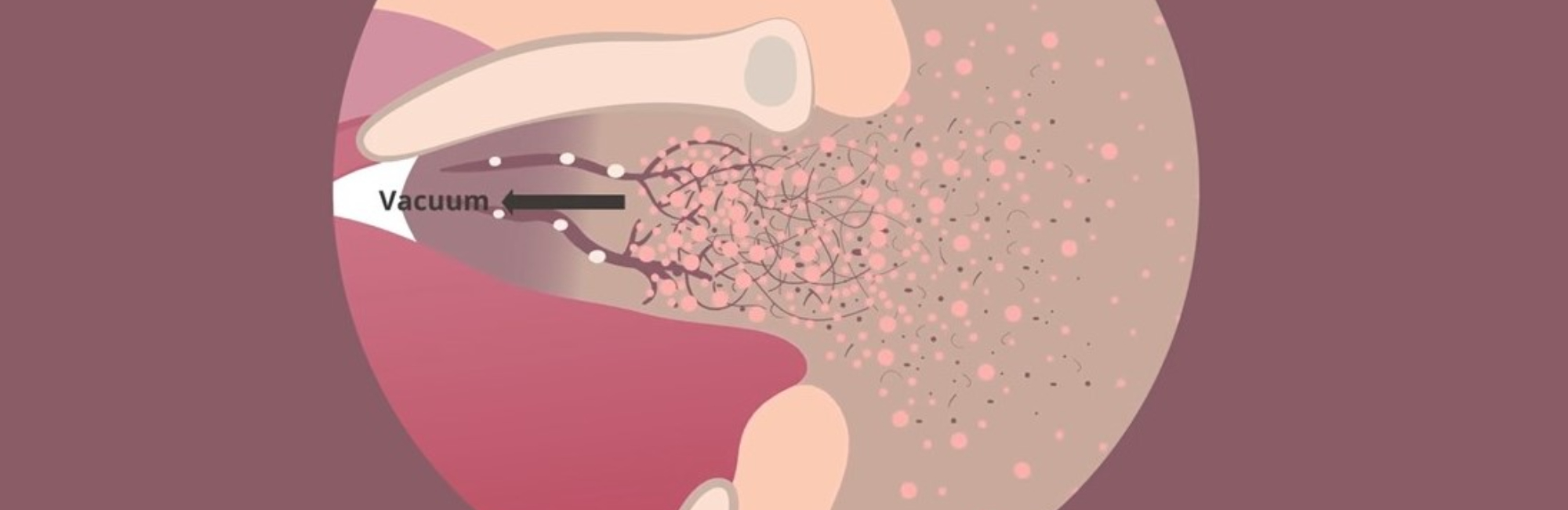
Suction: The infant lowers the tongue and jaw, creating negative pressure inside the oral cavity which draws milk from the ducts.
-
Coordination: Breathing, sucking, and swallowing are coordinated in an often irregular (but still normal) rhythm. In well infants, suck-swallow-breath discoordination arises from the motor strain of positional instability, not innate deficit.
-
-
Maternal nipple and breast mechanics
-
The nipple and areola are elastic tissues which deform under the infant’s suction and related tensile forces.
-
Proper biomechanics ensure effective milk transfer without pain or trauma.
-
Poor fit and hold mechanics can cause concentrations of tensile or mechanical force on nipple tissue, leading to soreness, cracks, stromal bruising, or mastitis.
-
-
Milk flow and pressure dynamics
-
Milk is moved by a combination of infant suction and positive intraductal pressure from milk ejection.
-
The let-down reflex (oxytocin-induced contraction of myoepithelial cells) increases intraductal pressure, working with infant suction to optimize flow.
-
Researchers often model pressure dynamics using fluid dynamics principles (pressure gradients, resistance in ducts).
-
-
Fit and hold - biomechanics considers the mother’s and infant’s positioning during feeding:
-
Proper alignment reduces strain on the infant’s jaw and neck.
-
Maternal ergonomics affect comfort and sustainability of breastfeeding.
-
-
Clinical and applied biomechanics
-
Breastfeeding difficulties: Biomechanical analysis helps detection of problems with breastfeeding.
-
Breast pumps: Designed using biomechanics of suction/pressure cycles to mimic infant suckling.
-
Injury prevention: Understanding tissue stress helps in developing interventions to reduce nipple trauma.
-
Key biomechanical questions:
-
How much suction pressure does the infant generate? (Peak oral vacuum or peak negative pressure in an infant’s oral cavity during suckling varies between ~ minus 100–200 mmHg, that is doubles between normal, successfully breastfeeding infants.)
-
How does the tongue interact with the nipple and ducts?
-
How do different feeding positions change force distribution?
Example of biomechanics when applied to clinical breastfeeding support:
- During a feed, the biomechanics lens looks at how much suction (in mmHg) the infant generates, the frequency of suck cycles, and how nipple tissue deforms. This explains why a "shallow latch" can cause pain (excessive localized stretching), while a "deep latch" spreads forces more evenly.
Key difference between biomechanics and mechanobiology
Biomechanics is an “outside view” which analyzes the mechanics of movement and forces (infant suck, nipple deformation, milk flow).
Mechanobiology is an “inside response” which studies how those forces are sensed by cells and tissues and how they then change biological function in response.
Analogy
If we imagine breastfeeding as a pump system (which I usually don't like as an analogy because breastfeeding doesn't work in highly predictable fashion like a machine but has the buffer and resiience and variability of a complex adaptive system!) then
-
Biomechanics studies the pump in action — suction strength, flow rates, tissue stretching
-
Mechanobiology studies how the pump parts themselves, at both the tissue and cellular level, dynamically adapt to mechanical pressures.
The image at the top of the page is a still from an animation which shows the biomechanics of infant suck during breastfeeding.
Selected references
Geddes DT, Kent JC, Mitoulas LR, Hartmann PE. Tongue movement and intra-oral vacuum in breastfeeding infants. Early Hum Dev. 2008 Jul;84(7):471-7. doi: 10.1016/j.earlhumdev.2007.12.008. Epub 2008 Feb 11. PMID: 18262736.