Logo - The Possums baby and toddler sleep program.
parents home
librarybrowse all programsfind answers nowaudioprograms in audiogroup sessionsgroup sessions with dr pam
menu icon NDC Institute
possums for professionals
(the ndc institute)
menu icon eventsguest speakers
menu icon the sciencethe science behind possums/ndcmenu icon who we arewho we aremenu icon evidence basendc research publicationsmenu icon dr pam's booksdr pam's books
menu icon free resourcesfree resourcesmenu icon dr pam's blogdr pam's blog
menu icon consult with dr pamconsult with dr pammenu icon consult with dr pamfind a possums clinicmenu icon find a NDC accredited practitionerfind an ndc accredited practitioner
login-iconlogin

Welcome back!

Forgot password
get access
search

Search programs

Caring for You icon

Caring for You


  • Things to know about your brain's thinking processes after you've had a baby
  • Very Big Things (like caring for a baby or toddler) often come with surprising amounts of painful feelings
  • Knowing a few science-based (+ heart-centred) ways of looking after your mental health and emotions can be life-changing when you're caring for a baby or toddler
  • How can you become a self-compassion ninja when you have a baby or toddler?
  • Our self-talk can become very unkind when we face a Very Big Thing (like caring for a baby)
  • Why are mothers of babies and toddlers often judged unkindly, and how can you protect yourself?
  • Five big things which affect emotional and mental wellbeing when you have a baby or toddler
  • Step into your power, find your joy
  • What to do if you have thoughts which shock you while you're caring for your baby
  • Recommended resources, acknowledgements and references for the 'Caring for you' collection in The Possums Sleep Program

Listen to audio program

Next article

Sign up now
  • Caring for You
  • S1: Care of you essentials

Step into your power, find your joy

Dr Pamela Douglas30th of Dec 202323rd of May 2024

mother and child playing by ocean water's edge

How to step into your power, find your joy

How can you step into your power, and find your joy as you care for your baby or toddler? In this recorded talk, I offer some ideas to get you started.

I delivered this 8-minute talk at the NDC Rural Online Launch in 2021. I discuss some of the broader social contexts in which women or parents are caring for babies and toddlers, including

  • Market forces

  • Social media

  • Historical devaluing of maternity.

This talk doesn't aim to foreground the context of trauma, in the midst of which many women, or parents and carers, find themselves raising their babies and toddlers.

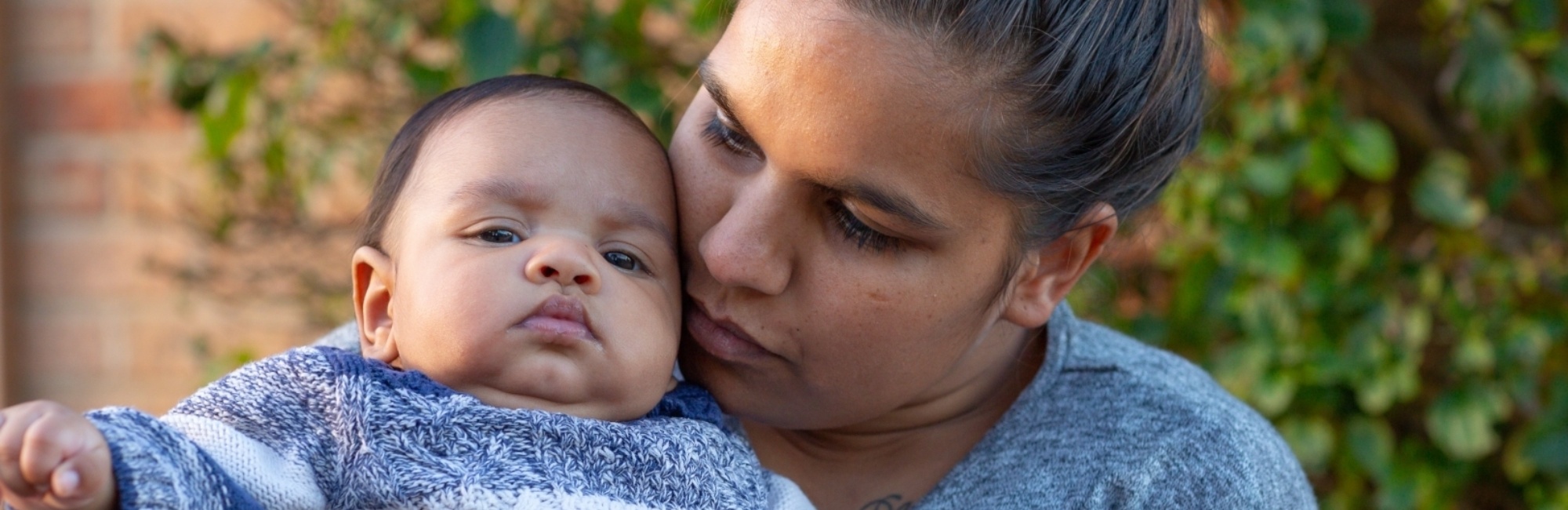
In Australia, the impact of colonisation remains a devastating and dominant source of intergenerational trauma amongst First Nations Peoples, which I haven't aimed to address in this talk, but would like to acknowledge.

Acknowledgement of Country

I and my team at The NDC Institute, home of the Possums programs, acknowledge and pay respect to the Australian First Peoples, and in particular the traditional custodians of the land upon which The Possums Sleep Program was made, the Yuggera and Turrbal Nations.

Australian First Nations nurtured and slept beside their babies and toddlers on this continent for perhaps 65,000 years, teaching their children how to care for other humans, for the land, and for the waters so effectively that they became the longest continuous culture on our planet. You can find out some of what I learnt from working with Australian First Nations Peoples here.

I acknowledge the unprecedented historical violence of the European settlement of Australia, which continues to affect many First Nation People's lives and families today, due to the well-documented intergenerational effects of trauma. I write more about this here.

first nations mother and child

Finished

share this article

Next up in Care of you essentials

What to do if you have thoughts which shock you while you're caring for your baby

red headed woman with megaphone

The biological re-wiring of your brain after you've had a baby can act as a loudspeaker, amplifying the human brain's already existing tendency towards repetitive unhelpful or negative thinking. Unhelpful thoughts often then trigger waves of distressed emotions.

In the perinatal period, your thoughts might become so unhelpful or negative that you experience them as Keep reading

logo‑possums

Possums in your inbox

Evidence-based insights, tips, and tools. Occasional updates.

For parents

parents homebrowse all programsfind answers nowprograms in audiogroup sessions with dr pam

For professionals

possums for professionals
(the ndc institute)
guest speakers

About

the science behind possums/ndcwho we arendc research publicationsdr pam’s books

More resources

free resourcesdr pam’s blog

Clinical consultation

consult with dr pamfind a possums clinicfind an ndc accredited practitioner

Help & support

contact usfaqour social enterpriseprivacy policyterms & conditions

Social

instagramlinked infacebook

Possums acknowledges the traditional owners of the lands upon which The Possums Programs have been created, the Yuggera and Turrbal Peoples. We acknowledge that First Nations have breastfed, slept with, and lovingly raised their children on Australian lands for at least 65,000 years, to become the oldest continuous living culture on Earth. Possums stands with the Uluru Statement from the Heart.