Logo - The Possums baby and toddler sleep program.
parents home
librarybrowse all programsfind answers nowaudioprograms in audiogroup sessionsgroup sessions with dr pam
menu icon NDC Institute
possums for professionals
(the ndc institute)
menu icon eventsguest speakers
menu icon the sciencethe science behind possums/ndcmenu icon who we arewho we aremenu icon evidence basendc research publicationsmenu icon dr pam's booksdr pam's books
menu icon free resourcesfree resourcesmenu icon dr pam's blogdr pam's blog
menu icon consult with dr pamconsult with dr pammenu icon consult with dr pamfind a possums clinicmenu icon find a NDC accredited practitionerfind an ndc accredited practitioner
login-iconlogin

Welcome back!

Forgot password
get access
search

Search programs

Caring for You icon

Caring for You


  • Things to know about your brain's thinking processes after you've had a baby
  • Very Big Things (like caring for a baby or toddler) often come with surprising amounts of painful feelings
  • Knowing a few science-based (+ heart-centred) ways of looking after your mental health and emotions can be life-changing when you're caring for a baby or toddler
  • How can you become a self-compassion ninja when you have a baby or toddler?
  • Our self-talk can become very unkind when we face a Very Big Thing (like caring for a baby)
  • Why are mothers of babies and toddlers often judged unkindly, and how can you protect yourself?
  • Five big things which affect emotional and mental wellbeing when you have a baby or toddler
  • Step into your power, find your joy
  • What to do if you have thoughts which shock you while you're caring for your baby
  • Recommended resources, acknowledgements and references for the 'Caring for you' collection in The Possums Sleep Program

Listen to audio program

Next article

Sign up now
  • Caring for You
  • S1: Care of you essentials

Our self-talk can become very unkind when we face a Very Big Thing (like caring for a baby)
Dr Pamela Douglas22nd of Jul 202310th of Sep 2024

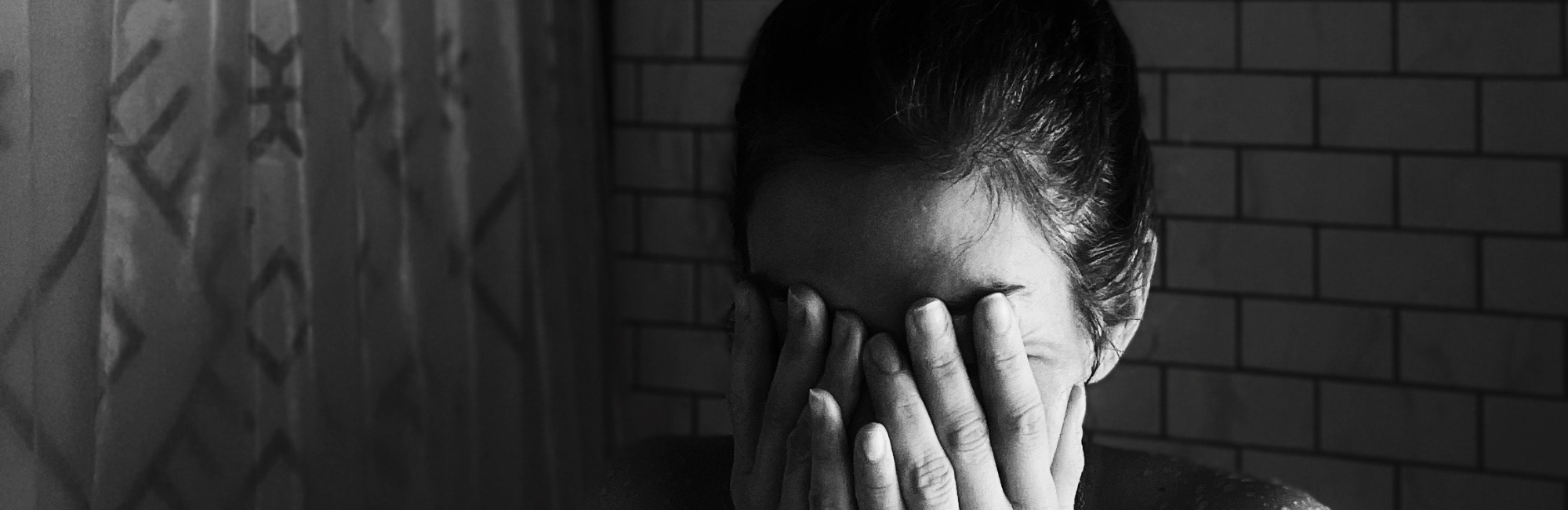
black and white photo of woman with her face in her hands

When we are faced with a Very Big Thing, like caring for a small child, our minds often move into the "I'm facing a threat here" mode. We turn the problem over and over in our minds in an attempt to solve it. We might believe that if only we work hard enough, try out enough new things, push on through, everything will be alright.

Unpleasant thoughts and feelings usually arise when humans are facing a Very Big Thing. Our mind tries to protect us by warning us of things that might happen or reminding us of how we have failed so that we don't repeat it. But it usually doesn't work to try to get rid of painful thoughts like this. The more we try to get rid of them, the worse they become, because we are directing our attention on to the thoughts instead of on to other things in the present moment. Then we might feel very frightened there is something wrong with us, and begin worrying about this too, which continues to make our stress and distress even worse!

It's helpful to know that it's normal to have distressing thoughts and feelings when we face a Very Big Thing in life. It's normal for an exhausted Homo sapiens brain to lapse into a stream of unhelpful thoughts. You could even expect this from your mind when you're sleep deprived or very tired. What matters is that you don't believe each unhelpful thought your mind presses upon you! Loads of self-compassion is called for.

Women often say that their mind tells them they're a 'bad' mother. I listen carefully, and with great concern. It's incredibly upsetting when our mind tells us this. Of course, our mind is being spectacularly unkind and unfair by calling us a bad mother. We're trying so hard to do the right thing and be a good mother! You can find out why our minds often tell us this when we're caring for a baby or toddler here.

Here are some other unkind and unhelpful thoughts which our minds commonly tell us when a Very Big Thing is happening (like caring for a baby or toddler). You've probably got some unique unkind thoughts of your own, too.

  • I am not cut out to be a mother

  • I am harming my child psychologically

  • I can't do this

  • Everyone else can do it but not me

  • My child hates me

  • There's something wrong with me

  • I simply can't do this another minute

  • I'm scarring my baby or toddler psychologically, for life

  • My little one's brain is not going to develop properly because of me.

The first step is to recognise that our mind is caught up in the process of unkind self-talk. The second step is to respond to ourselves with huge amounts of self-compassion. The third step is to start practicing some strategies for managing our mind when it tells us these unkind, unhelpful things.

Recommended resources, acknowledgements, and selected references for the articles in the Caring for you section of The Possums Sleep Program are found here, including selected research evaluations of both Acceptance and Commitment Therapy and Compassion-focused Therapy in the perinatal period.

love heart drawn into sand

Finished

share this article

Next up in Care of you essentials

Why are mothers of babies and toddlers often judged unkindly, and how can you protect yourself?

mother holding baby both looking at camera

Despite the many good things humans do for each other, we also live in a society that often, either accidentally or intentionally, judges others harshly. Some of this judgement comes from the way we think about being human in 21st century Western societies.

  • There's a belief that we should be improving ourselves as much as we can.

  • There's a belief that we should be aiming…

Keep reading
logo‑possums

Possums in your inbox

Evidence-based insights, tips, and tools. Occasional updates.

For parents

parents homebrowse all programsfind answers nowprograms in audiogroup sessions with dr pam

For professionals

possums for professionals
(the ndc institute)
guest speakers

About

the science behind possums/ndcwho we arendc research publicationsdr pam’s books

More resources

free resourcesdr pam’s blog

Clinical consultation

consult with dr pamfind a possums clinicfind an ndc accredited practitioner

Help & support

contact usfaqour social enterpriseprivacy policyterms & conditions

Social

instagramlinked infacebook

Possums acknowledges the traditional owners of the lands upon which The Possums Programs have been created, the Yuggera and Turrbal Peoples. We acknowledge that First Nations have breastfed, slept with, and lovingly raised their children on Australian lands for at least 65,000 years, to become the oldest continuous living culture on Earth. Possums stands with the Uluru Statement from the Heart.