Logo - The Possums baby and toddler sleep program.
parents home
librarybrowse all programsfind answers nowaudioprograms in audiogroup sessionsgroup sessions with dr pam
menu icon NDC Institute
possums for professionals
(the ndc institute)
menu icon eventsguest speakers
menu icon the sciencethe science behind possums/ndcmenu icon who we arewho we aremenu icon evidence basendc research publicationsmenu icon dr pam's booksdr pam's books
menu icon free resourcesfree resourcesmenu icon dr pam's blogdr pam's blog
menu icon consult with dr pamconsult with dr pammenu icon consult with dr pamfind a possums clinicmenu icon find a NDC accredited practitionerfind an ndc accredited practitioner
login-iconlogin

Welcome back!

Forgot password
get access
search

Search programs

PBL Intermediate icon

PBL Intermediate


  • Breastfeeding women have the right to accurate information about how babies suck and swallow at the breast
  • Anatomic factors which interact to affect how your baby sucks at the breast: an overview
  • Your baby's jaw bones, cheeks, and palate are made for breastfeeding
  • The terribly misunderstood but beautiful baby tongue: anatomy, resting posture, movement, and function in breastfeeding
  • Busting the myth that baby's tongue isn't working properly when you face breastfeeding problems
  • The anatomy of the frenulum under your baby's tongue (known as the lingual frenulum)
  • Your baby makes a seal against your breast, then jaw and tongue drop together to create a vacuum during breastfeeding
  • Your baby's lips don't need to flange or take a 'special k' shape when breastfeeding + how baby swallows milk
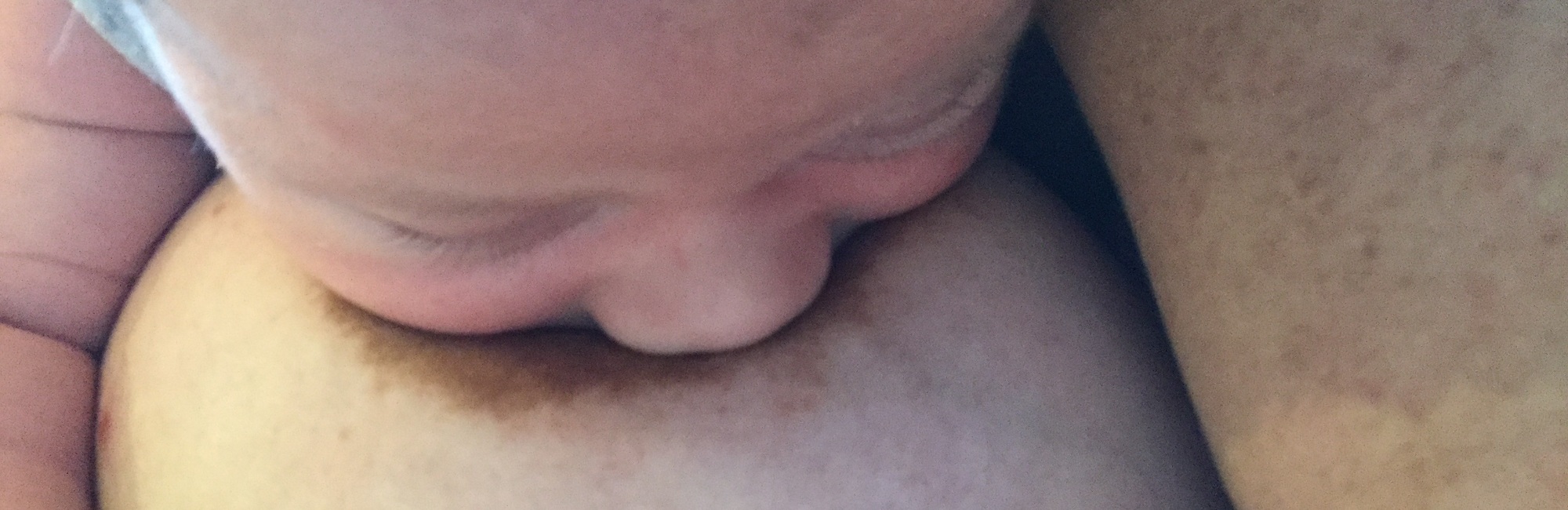
  • A 2004 newsletter, ultrasound studies, and the turbulence of paradigm shift: working out how babies suck in breastfeeding

Next article

Sign up now
  • PBL Intermediate
  • S3: What happens inside baby's mouth when you're breastfeeding

Your baby's lips don't need to flange or take a 'special k' shape when breastfeeding + how baby swallows milk

Dr Pamela Douglas28th of Feb 202520th of Sep 2025

x

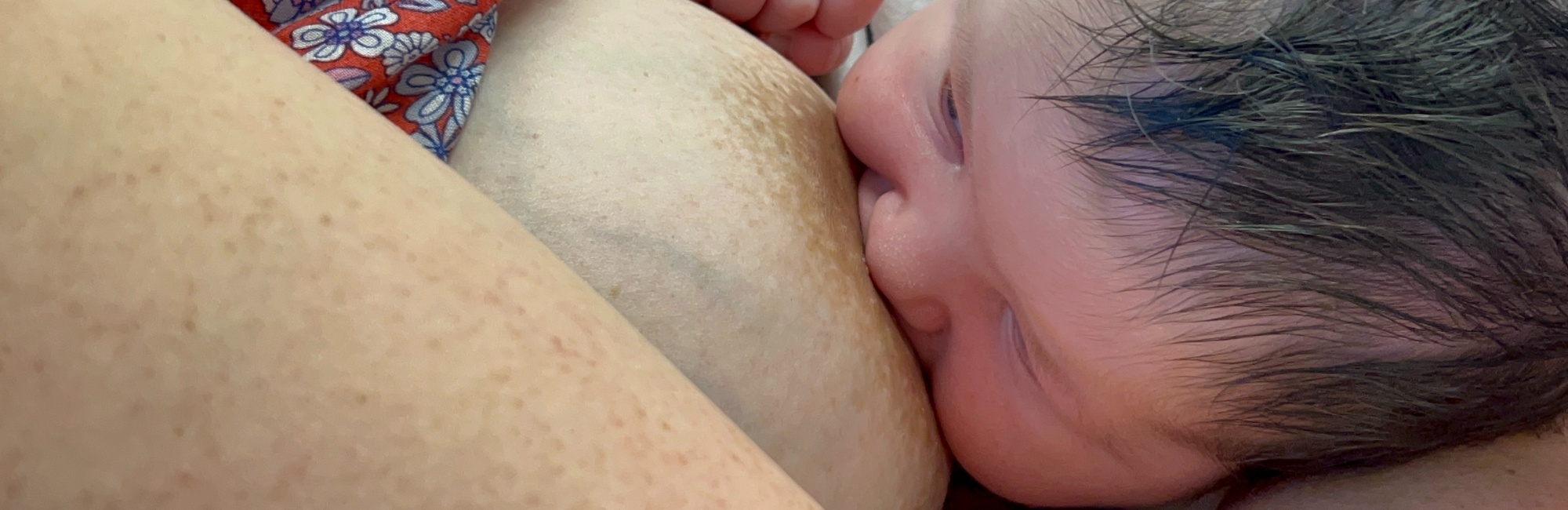
Your baby's lips shouldn't be working or even visible during breastfeeding

The sensitivity of your baby's lips help her find her way to your nipple.

But lips don't need to work during breastfeeding, and are never visible in the gestalt method. As long as your little one doesn't have a cleft that extends to the upper lip or some other congenital abnormality, the shape of your baby's lips will be normal. But of course, normal is a highly diverse condition in human beings.

This is not something we let many other adults do with our babies, because we know the intimacy of it, the precious physicality of caressing kisses showered over that silky scalp, with a baby's scalp's distinct yummy scent, the slurpy, playful kisses and blowing of air and noisy mm-mm-mm-mm kisses being planted all over the little one's face and neck and chest, the baby's utter trust in your safety and protective love. Inhaling our baby's sweet milky scent, the eye contact and the smiles and the warm caress. Baby, I delight in you. Baby, your mother loves you. May you know this forever in your bones!. Every baby needs a dose of this cuddly physical love from at least one special adult, day after night, night after day, throughout his or her babyhood and childhood. It's a particular wound, not to have had a loving adult or more delight in you as a baby and child*. *It is essential to our little one's psychological resilience, to have that body memory: I am adored.

Babies' brains have a well-formed neural body map laid out in a strip of grey matter that runs between the ears over the top of the head. Touching the middle of baby's lip provides the strongest possible activation to that strip of brain tissue. Sensory-motor pathways for the tongue are also mapped over a large part of the newborn's brain.

You can find out about the myth of upper lip-tie in babies here.

The swallow

In a swallow, baby's soft palate lifts from the base of the tongue (or the posterior tongue) to allow the bolus of milk to slide under it down into the oesophagus. You can find out about the palate here and the posterior tongue here. The tear-drop shaped uvula diverts your milk into two streams, down into the little channels which track the milk around the epiglottis and around the opening to the vocal cords and airway.

The epiglottis protects the larynx (or voice-box). The epiglottis doesn't close down like a toilet lid, but is a soft and moving plate of tissue which diverts milk away from the larynx and trachea. The milk flow separates to flow either side of the epiglottis. Some milk is aspirated intermittently, but this is not a problem for most healthy babies.

The semi-prone (baby lying somewhat tummy down with the mother in a semi-reclined position) of the gestalt approach helps protect the baby's airway by having the milk fall forward with gravity - but you don't have to worry about this and if your baby isn't feeding in this position and all is going well, that's fine too. If you have a baby with a floppy airway, the gestalt method is ideal.

At the beginning of a feed, you might hear a rhythmic soft 'k, k, k, k' with the suck-swallow-suck-swallow which is jaw drop - k - jaw drop - k. I find it easier to listen for the 'k' if we are wanting to know if there is swallowing, although we can also watch for the rhythmic movement of the tempero-mandibular joint.

Babies have no air in their mouths when sucking and swallowing. Professor Donna Geddes and her team found this in their ultrasound studies, and Dr Mills has confirmed it by MRI. Professor Geddes' team has also taken intermittent ultrasound assessments of breastfeeding babies' tummies over the years and have also not found large amounts of air.
Finished

share this article

Next up in What happens inside baby's mouth when you're breastfeeding

A 2004 newsletter, ultrasound studies, and the turbulence of paradigm shift: working out how babies suck in breastfeeding

x

In 2004 a newsletter for paediatricians started an international tongue-tie epidemic

For much of my professional life, our model of infant suck in breastfeeding was based on what was known from either bottle-feeding, sucking on a finger, or from the dairy industry. Throughout those years, it was believed that a wave-like or peristaltic motion of the baby's tongue squeezed milk out from the nipple, helped by the milk ejection reflex.

This erroneous belief about the role of the baby's tongue, and also a lack of knowledge about normal infant oral anatomy, gave rise to the frenotomy epidemic from the mid-2000s, which still has us in its grip, though the focus has shifted to…

Keep reading
logo‑possums

Possums in your inbox

Evidence-based insights, tips, and tools. Occasional updates.

For parents

parents homebrowse all programsfind answers nowprograms in audiogroup sessions with dr pam

For professionals

possums for professionals
(the ndc institute)
guest speakers

About

the science behind possums/ndcwho we arendc research publicationsdr pam’s books

More resources

free resourcesdr pam’s blog

Clinical consultation

consult with dr pamfind a possums clinicfind an ndc accredited practitioner

Help & support

contact usfaqour social enterpriseprivacy policyterms & conditions

Social

instagramlinked infacebook

Possums acknowledges the traditional owners of the lands upon which The Possums Programs have been created, the Yuggera and Turrbal Peoples. We acknowledge that First Nations have breastfed, slept with, and lovingly raised their children on Australian lands for at least 65,000 years, to become the oldest continuous living culture on Earth. Possums stands with the Uluru Statement from the Heart.