Lactating breasts give you three kinds of warning pains or signals
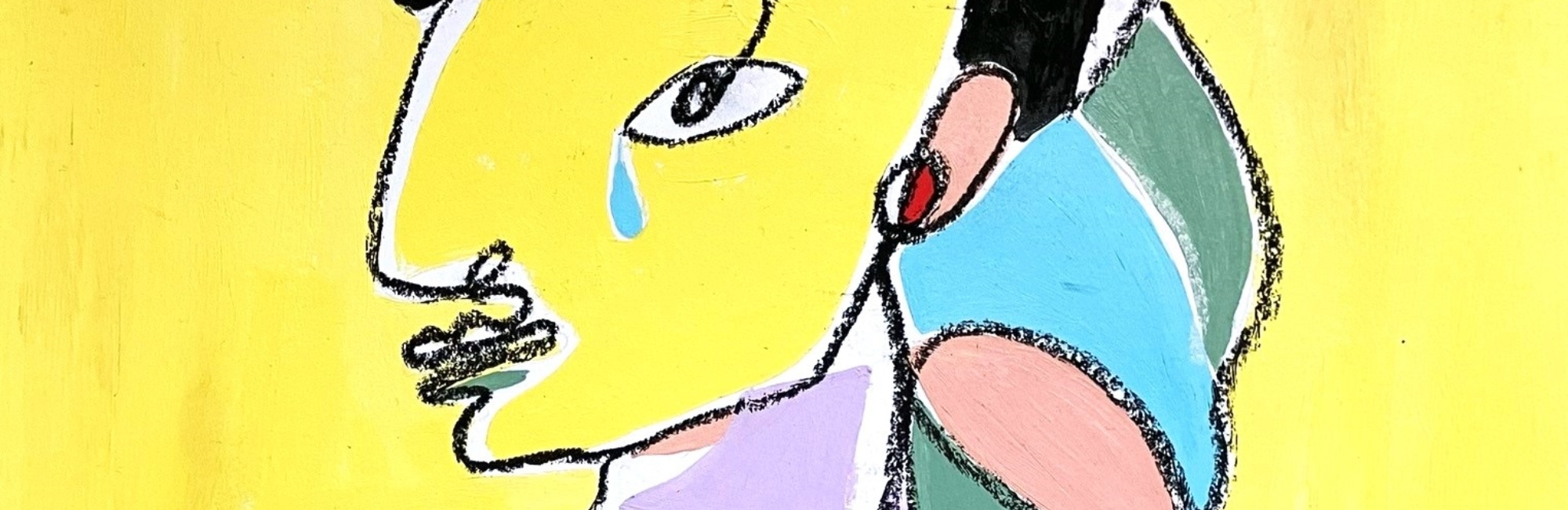
"I am completely overwhelmed. Overwhelmed by fear and bewilderment. No one ever warned me it would be like this." Fiona Place, ‘Apocalypse Now’ p 61
"She looked up, but it was all dark overhead; before her was another long passage." Alice in Wonderland p 7
There are four kinds of pain commonly experienced by breastfeeding women
Warning pain
The three kinds of warning pain commonly experienced by lactating women are
-
Musculoskeletal pain, often of the neck, shoulders, upper back or ribs.
-
Nipple pain, with or without cracks or ulcers, and also occasionally pain of the areola.
-
Breast inflammation pain, which might come with fevers and muscle aches too. You can find out what to do if you have one of the following kinds of breast inflammation by clicking on the links immediately below. Occasionally, when the breast inflammation is quite nasty (definitely requiring medical attention), a woman might also experience aching pain from enlarged lymph nodes in her armpits.
-
Galactocoele
-
Deep stabbing or radiating breast pain without a lump.
If you develop a painful hot red lump in your breast, you might be told that you should massage this to unblock the ducts or drain the fluid into your lymph nodes. You might be told to massage lightly towards your armpits. Unfortunately, lump massage, which ignores the pain message from your body, often makes a mastitis or breast inflammation worse. There's even good reason to think that massaging a breast lump makes an abscess more likely. Despite what you might hear, light massage also doesn't shift fluid, isn't an evidence-based approach, and might even accidentally make things worse.
A healthy kind of working kind of pain
There is one kind of healthy, normal, working pain commonly experienced by lactating women. This is
- Pain when your milk is letting down.
When a woman gives birth vaginally, the waves of labour pain which wash through her are her body doing the work of bringing a child into the world. The pain of contractions in labour are not pains warning of damage, but a sign that the great and powerful muscles of her womb are in peak performance mode, working exactly as they should to carry baby out into the world.
But new or acute pain is usually your body’s signal that something is not quite right. Pay attention, your body cries! Pain is a warning, and remedial action is required as quickly as possible. Something is injuring your nerves and cells, the precious human flesh of you! ... How upsetting it is when that something appears to be your own precious little baby.
Sometimes if your nipple pain has gone on for weeks, you might be told it is caused by a sensitisation of the neural pathways in your brain. Pain science has shown us just how much the experience of pain is affected not only by genetic predisposition, but by our mood and the circumstances of our lives. This is particularly true for chronic pain, but also for acute pain.
However, nipple pain and damage during breastfeeding is not chronic pain, according to internationally accepted definitions of chronic pain, even when it goes on for a long time. It is the repeated experience of acute microtrauma of the nipple. You can find out about persistent nipple pain here.
Breast and nipple pain make women seriously unwell and are not trivial conditions
Nipple pain may be a sensation of fire in that most sensitive part of your breast, an excruciating pinch, a deep piercing ache, a radiating, throbbing, stabbing, burning pain. It can hurt when the baby comes on, it can hurt during feeds, it can hurt after feeds, it can hurt between feeds. The quality of the pain itself does not usually help with diagnosis. In Possums Breastfeeding & Lactation, I share with you the gestalt method of fit and hold, which has been specially developed to help resolve nipple pain.
-
Persistent pain is depressing. It affects mood and burdens the spirit. A certain feeling of hopelessness can settle in like a heavy fog when your body is speaking the language of pain. Needless to say, if you are enduring lactation-related pain, your body might learn to dread breastfeeding. A great deal of self-compassion and self-care is required.
-
Taking the pressure off breastfeeding and pumping, and using formula to maintain baby’s weight gain can, paradoxically, help women with severe and ongoing nipple pain move towards eventual predominance of breastfeeding. Any pressure to continue breastfeeding or judgement about formula use from others tends to tip women into despair, which often results in complete weaning, because of the mental anguish.
The pain of breast inflammation (or mastitis) is also miserable, often accompanied by fevers and shakes and nausea, so that a woman feels very ill. This can be frightening, especially if you have sole responsibility for caring for your baby.
Pain in breastfeeding often results from fit and hold problems which haven't been picked up
Many women who experience pain and damage as they produce milk for their baby have their fit and hold assessed and are told their fit and hold is fine.
-
But most commonly, nipple and breast tissue drag is the underlying cause of the ongoing nipple pain, damage, and inflammation.
-
Breast tissue drag can sometimes, though less commonly, be a trigger for breast inflammation (or mastitis), particularly if the breast inflammation is recurrent.
If underlying breast tissue drag is missed, women and their babies may then be given medical, surgical, or body work solutions for normal - if highly variable - structure and function, which have been pathologised. Sometimes medical solutions are necessary. But unfortunately, many medical, surgical, or exercise solutions are not only unnecessary - they may accidentally result in side-effects.
In Possums Breastfeeding & Lactation, I’ll explore what’s going on when your breasts or your nipples hurt, and what can be done. We'll do this in an evidence-based way, which minimises unhelpful medical, surgical, body work, massage, aids, and exercise interventions (but also uses them when they are necessary and effective).
Intense negative emotions with breastfeeding: Dysphoric Milk ejection Reflex and Breastfeeding Aversion Response
The healthy working pain of your letdown is quite different to the much less common but distressing conditions of
If you think these conditions might be happening to you, please click on the link to find out more.
Acknowledgements
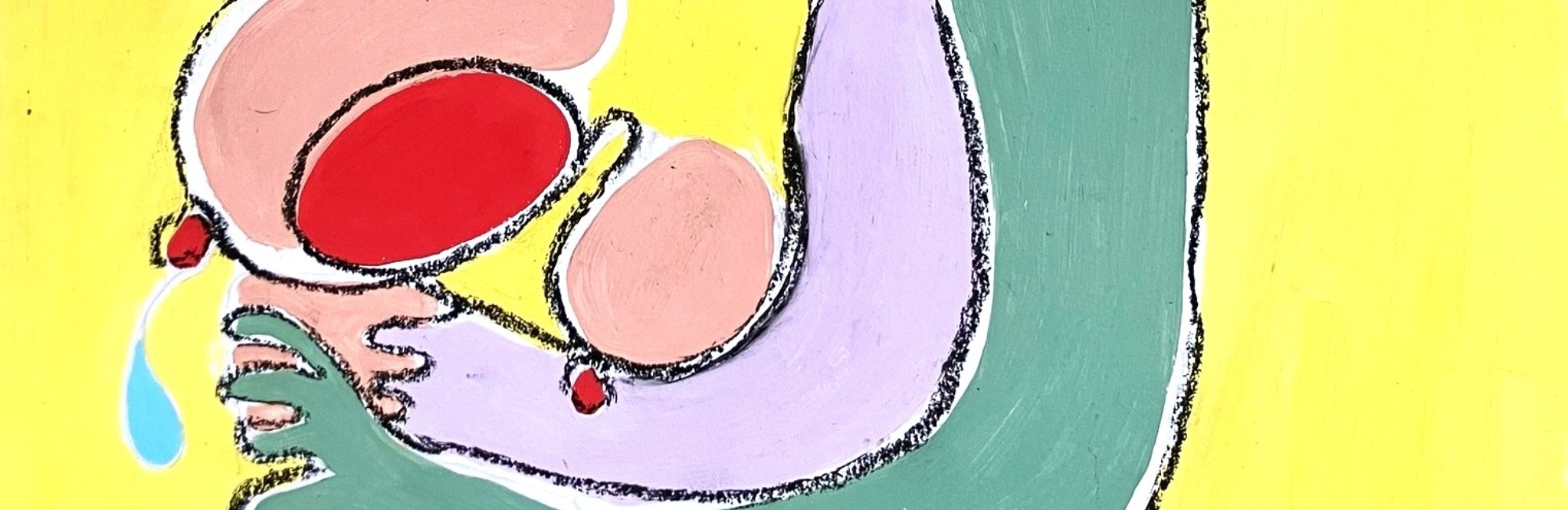
The breastfeeding art on this page is by, and used with the consent of, Camilla Kleist at www.kleist-art.me.