Logo - The Possums baby and toddler sleep program.
parents home
librarybrowse all programsfind answers nowaudioprograms in audiogroup sessionsgroup sessions with dr pam
menu icon NDC Institute
possums for professionals
(the ndc institute)
menu icon eventsguest speakers
menu icon the sciencethe science behind possums/ndcmenu icon who we arewho we aremenu icon evidence basendc research publicationsmenu icon dr pam's booksdr pam's books
menu icon free resourcesfree resourcesmenu icon dr pam's blogdr pam's blog
menu icon consult with dr pamconsult with dr pammenu icon consult with dr pamfind a possums clinicmenu icon find a NDC accredited practitionerfind an ndc accredited practitioner
login-iconlogin

Welcome back!

Forgot password
get access
search

Search programs

PBL Foundations icon

PBL Foundations


  • What's useful to notice in the mirror before you bring baby on to your breast?
  • Notice where your breast and nipples naturally fall before bringing baby on
  • What does the gestalt method mean by the 'landing pad'?
  • The deck-chair position is usually the best for a relaxed and comfortable breastfeed
  • Consciously relax your shoulders and take slow deep breaths as you bring baby onto your breast
  • Pay close attention to nipple and breast sensations while your breastfeeding
  • Helpful strategies for managing difficult thoughts and emotions if you have breastfeeding problems

Next article

Sign up now
  • PBL Foundations
  • S3: Fit and hold: #1 breastfeeding superpower
  • CH 5: Step 2: Preparing your body and mind for relaxed and comfortable breastfeeding

Pay close attention to nipple and breast sensations while your breastfeeding
Dr Pamela Douglas1st of Sep 202317th of Dec 2025

x

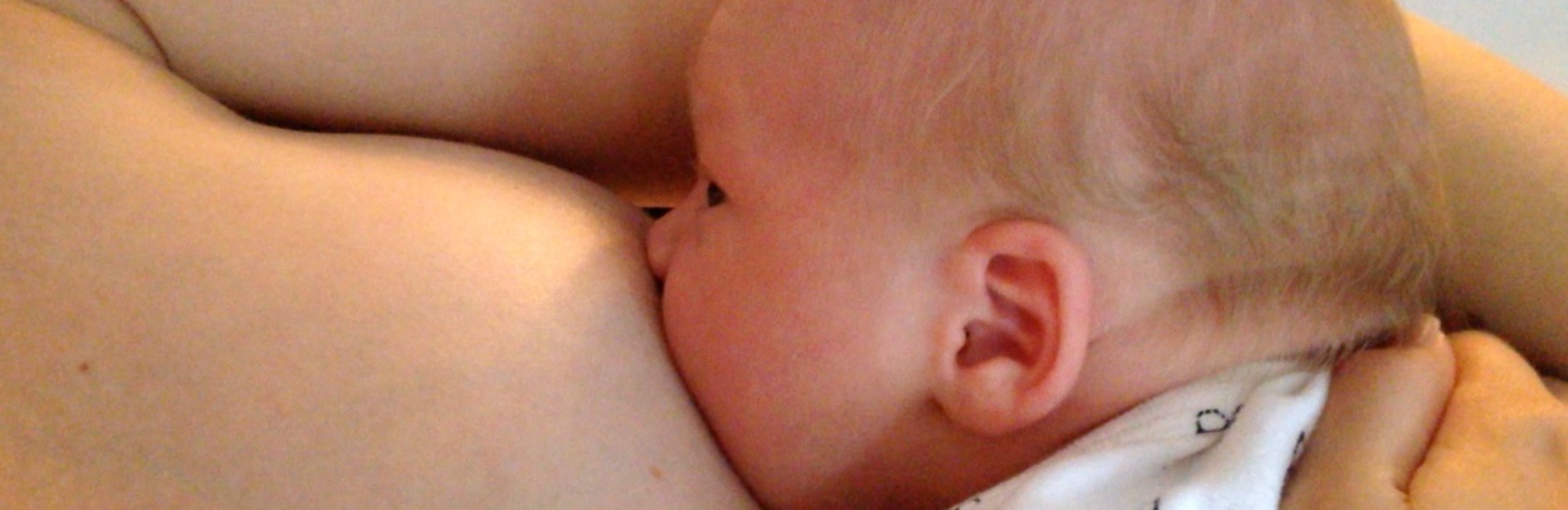
Relax back without trying to look down once the baby is on, and begin to notice all the sensations of your baby snuggled up and drinking. This noticing of the present moment is often referred to as 'mindfulness', and is an important part of the gestalt approach to breastfeeding.

Actually, if you try to look down too much you might get neck and shoulder pain, or headaches.

It is usually not possible to make eye contact with your baby when breastfeeding. Whilst eye contact is important for baby's brain and for the development of your loving relationship, there is no reason to worry because you can't eye contact when your baby breastfeeds. There are many other occasions throughout the day in which to enjoy eye contact and interaction with your baby.

There is a great deal of enjoyment and physical closeness associated with easy, effective breastfeeding. Baby is connecting with you in other very sensory ways, as every cell of his little body relaxes into you, as she is washed in the joy of drinking from your body.

Breastfeeding is a time when your bodies are speaking to each other through caresses and snuggles. Speaking or murmuring to your baby also connects her to you during the breastfeed.

Relax back, and notice all the sensations.

Selected references

Douglas PS, Keogh R. Gestalt breastfeeding: helping mothers and infants optimise positional stability and intra-oral breast tissue volume for effective, pain-free milk transfer. Journal of Human Lactation. 2017;33(3):509–518.

Douglas PS, Geddes DB. Practice-based interpretation of ultrasound studies leads the way to less pharmaceutical and surgical intervention for breastfeeding babies and more effective clinical support. Midwifery. 2018;58:145–155.

Douglas PS, Perrella SL, Geddes DT. A brief gestalt intervention changes ultrasound measures of tongue movement during breastfeeding: case series. BMC Pregnancy and Childbirth. 2022;22(1):94. DOI: 10.1186/s12884-12021-04363-12887.

Finished

share this article

Next up in Step 2: Preparing your body and mind for relaxed and comfortable breastfeeding

Helpful strategies for managing difficult thoughts and emotions if you have breastfeeding problems

x

It is normal to feel upset and to have unhelpful thoughts when you face breastfeeding problems

The human brain is brilliant at solving problems - this is our evolutionary edge. However, the flip side to this is that our remarkable brain is prone to having many unhelpful thoughts about the past or the future, particularly when we find ourselves in situations of chronic stress that cannot be immediately solved, like breastfeeding difficulty.

The key to psychological resilience is the capacity to gently control where we place our mind's attention, bringing our attention over and over into the present moment.

  • Breastfeeding difficulties, which are faced day and night…

Keep reading
logo‑possums

Possums in your inbox

Evidence-based insights, tips, and tools. Occasional updates.

For parents

parents homebrowse all programsfind answers nowprograms in audiogroup sessions with dr pam

For professionals

possums for professionals
(the ndc institute)
guest speakers

About

the science behind possums/ndcwho we arendc research publicationsdr pam’s books

More resources

free resourcesdr pam’s blog

Clinical consultation

consult with dr pamfind a possums clinicfind an ndc accredited practitioner

Help & support

contact usfaqour social enterpriseprivacy policyterms & conditions

Social

instagramlinked infacebook

Possums acknowledges the traditional owners of the lands upon which The Possums Programs have been created, the Yuggera and Turrbal Peoples. We acknowledge that First Nations have breastfed, slept with, and lovingly raised their children on Australian lands for at least 65,000 years, to become the oldest continuous living culture on Earth. Possums stands with the Uluru Statement from the Heart.