Logo - The Possums baby and toddler sleep program.
parents home
librarybrowse all programsfind answers nowaudioprograms in audiogroup sessionsgroup sessions with dr pam
menu icon NDC Institute
possums for professionals
(the ndc institute)
menu icon eventsguest speakers
menu icon the sciencethe science behind possums/ndcmenu icon who we arewho we aremenu icon evidence basendc research publicationsmenu icon dr pam's booksdr pam's books
menu icon free resourcesfree resourcesmenu icon dr pam's blogdr pam's blog
menu icon consult with dr pamconsult with dr pammenu icon consult with dr pamfind a possums clinicmenu icon find a NDC accredited practitionerfind an ndc accredited practitioner
login-iconlogin

Welcome back!

Forgot password
get access
search

Search programs

PBL Foundations icon

PBL Foundations


  • How to soften the areola if your breasts are engorged ('reverse pressure softening')
  • What Amarissa did when her breasts were very swollen and painful and her four-day-old baby wouldn't suckle
  • What to do when you're feeling upset and overwhelmed by a hungry newborn and breast engorgement

Next article

Sign up now
  • PBL Foundations
  • S6: Breastfeeding your newborn
  • CH 5: If you and your newborn face breastfeeding problems
  • PT 5.2: Engorgement when your milk comes in

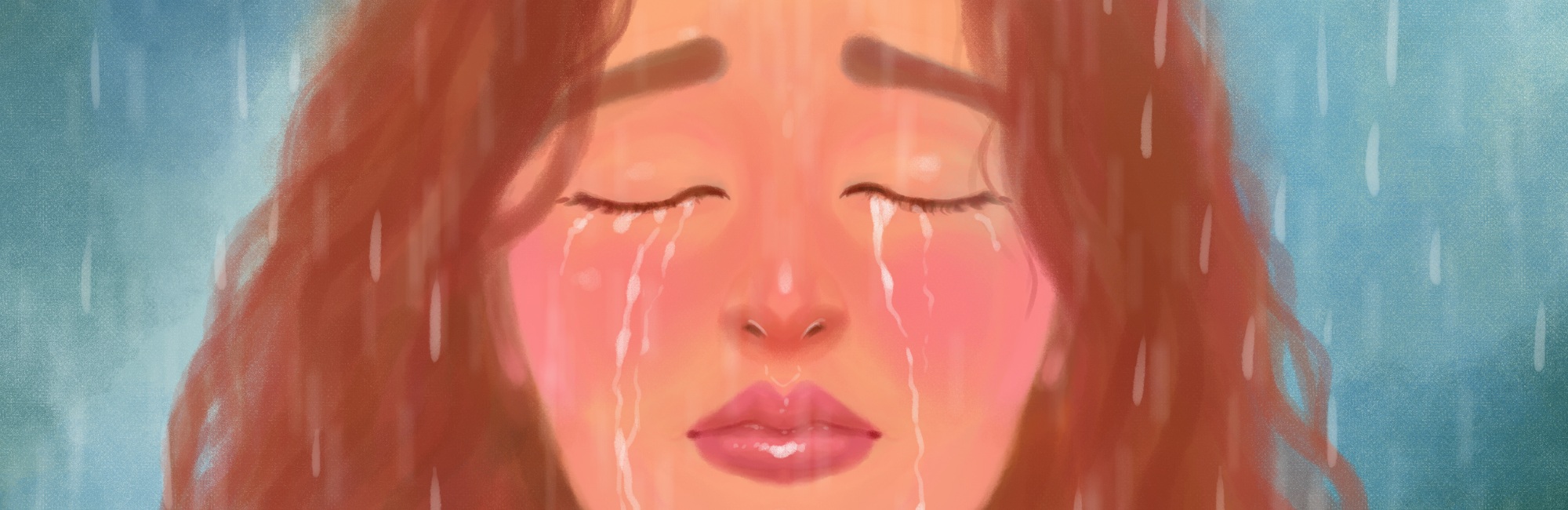
What to do when you're feeling upset and overwhelmed by a hungry newborn and breast engorgement

Dr Pamela Douglas23rd of Jun 202429th of Dec 2024

mental health; self-care; self-compassion; breastfeeding

Caring for your breasts and body

If you are feeling upset and overwhelmed by engorgement, with a hungry baby who is wanting to breastfeed but having trouble coming onto the breast, I recommend that you find out about

  • Bringing baby on to the breast here

  • Fit and hold, starting here

  • Frequent and flexible breastfeeds here

  • Reverse pressure softening of the area around your nipple here

  • How to care for your sore and swollen breasts here.

Caring for your mind and emotions

Also, you might like to put in place some of these emergency strategies for caring for your mind and emotions.

  1. Move slowly, noticing where you place your feet, how your body changes positions.

  2. Pay attention to everything you touch, everything you can see and hear around you.

  3. Notice your own breathing. Breathe deep and slow.

  4. Remind yourself that even though baby’s cry breaks your heart, your baby will be ok.

  5. Speak to yourself with great self-compassion. “You are trying so hard, you are worthy of such profound love, you are bathed in rivers of love and light. You are courageous and beautiful, you are giving it your all. I’m so proud of you!”

  6. Notice that your mind wants to tell you all sorts of things which are unhelpful and may even be unkind e.g. that you are failing. This is normal behaviour for minds under stress. You don’t need to believe what your mind tells you. Let your mind play like a radio in the background.

  7. It’s ok to cry. Crying doesn’t mean you’re not coping. It’s just crying.

  8. Don’t hesitate to reach out for practical help.

  9. Problem solve as best you can. Experiment: try one thing, then another thing.

You can find a lot of practical information about caring for your emotional and mental wellbeing in the Caring for you part of the Possums programs.

x

Finished

share this article

Next up in Nipple pain, sleep, baby weight gain worries, jaundice

Lactating women experience high levels of nipple pain and damage because of our health system blind spot about fit and hold

x

Our health system's blind spot about fit and hold in breastfeeding results in high levels of breastfeeding-related nipple pain and damage

Women are often heroic in their determination to breastfeed their baby, despite awful pain. Our fiercely protective love, our devotion to that little child’s well-being, is heroic. Growing numbers of women refuse to be silenced by cultural embarrassment about their embodied female messiness and their experiences of pain as they give birth to and nurture new life! Women are using social media to speak out fiercely and honestly about breastfeeding with their baby and what goes wrong.

It’s scandalous though, to my mind, that a woman needs to endure this kind of pain in order to…

Keep reading
logo‑possums

Possums in your inbox

Evidence-based insights, tips, and tools. Occasional updates.

For parents

parents homebrowse all programsfind answers nowprograms in audiogroup sessions with dr pam

For professionals

possums for professionals
(the ndc institute)
guest speakers

About

the science behind possums/ndcwho we arendc research publicationsdr pam’s books

More resources

free resourcesdr pam’s blog

Clinical consultation

consult with dr pamfind a possums clinicfind an ndc accredited practitioner

Help & support

contact usfaqour social enterpriseprivacy policyterms & conditions

Social

instagramlinked infacebook

Possums acknowledges the traditional owners of the lands upon which The Possums Programs have been created, the Yuggera and Turrbal Peoples. We acknowledge that First Nations have breastfed, slept with, and lovingly raised their children on Australian lands for at least 65,000 years, to become the oldest continuous living culture on Earth. Possums stands with the Uluru Statement from the Heart.