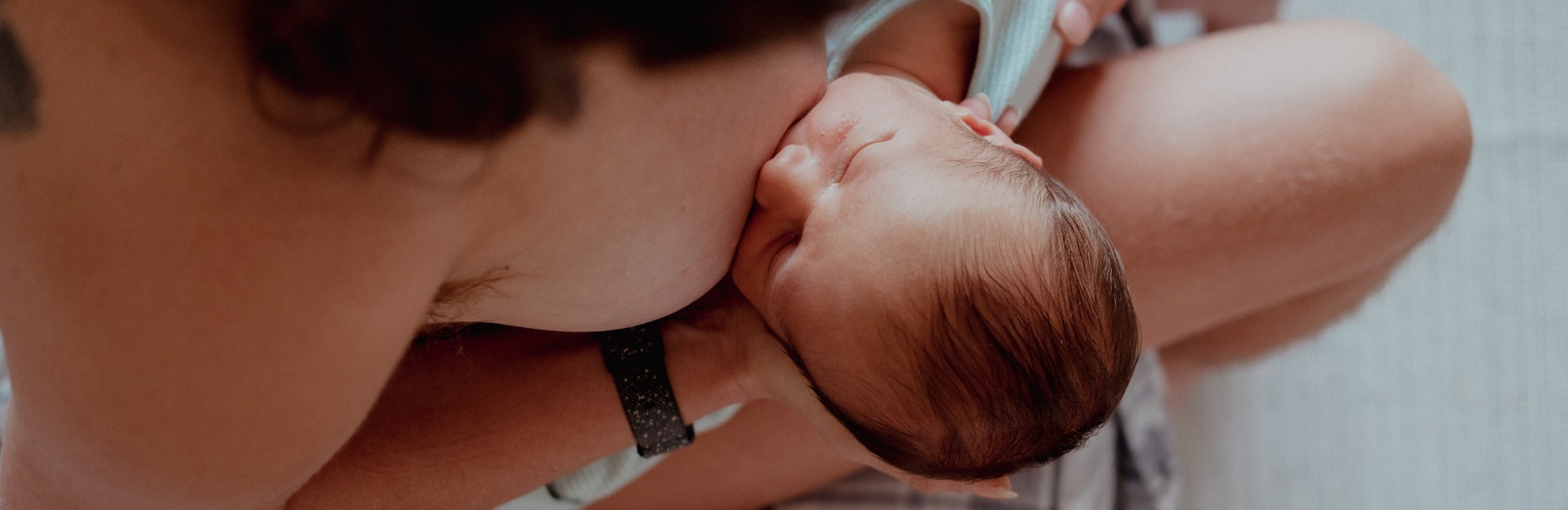
Lactating women experience high levels of nipple pain and damage because of our health system blind spot about fit and hold
Our health system's blind spot about fit and hold in breastfeeding results in high levels of breastfeeding-related nipple pain and damage
Women are often heroic in their determination to breastfeed their baby, despite awful pain. Our fiercely protective love, our devotion to that little child’s well-being, is heroic. Growing numbers of women refuse to be silenced by cultural embarrassment about their embodied female messiness and their experiences of pain as they give birth to and nurture new life! Women are using social media to speak out fiercely and honestly about breastfeeding with their baby and what goes wrong.
It’s scandalous though, to my mind, that a woman needs to endure this kind of pain in order to breastfeed her baby - even as she glances at the news on her phone and sees, to use one tiny example, that after a 293 million mile journey costing $500 million, the $2.2 billion-dollar robot called Perseverance is trundling happily over the surface of Mars, gathering data. She might be forgiven for thinking: Excuse me please, who is investing even a fraction of that money into research which will help me breastfeed my earth-bound child without excruciating pain? Why isn’t my baby's need to breastfeed without causing me unbearable pain and damage an urgent health system priority?
This awful situation of lack of effective help, which devalues women and their bodies, is no-one’s fault. It is historically constructed, due to a longstanding devaluing of women's health amongst those in power who decide what matters for research funding. The health needs of women are seriously under-researched and underfunded relative to men’s.
Once you’ve seen woman after woman suffering through the excruciating pain of severely damaged nipples, as any breastfeeding support clinician has, you’d agree that we need to make noise about this. Such blatant inequity in research priority really does constitute gendered disrespect.
Nipple pain and damage may be largely preventable but we have a health system blind spot concerning fit and hold in breastfeeding
In 1987, in my very first general practice, a woman came to see me because her nipples hurt when she breastfed. I remember I was surprised that she came in without her baby. But the truth is, I wouldn’t have known what to do even if she’d brought the baby in.
"It’s awful", she explained. I examined her nipples carefully. Maybe I even used a magnifying glass.
"I can’t see any problem," I remember telling her, finally. "I don’t think you need to worry." I cringe to write this story down. I'd had no training at all, none, in clinical breastfeeding and lactation support. And I hadn't had a baby myself at that time.
Now, women are unlikely to encounter a GP as lacking in breastfeeding education as I was back then. These days, most health professionals take persistent nipple pain seriously, and would never send a woman away without offering support of some kind! That’s a great achievement.
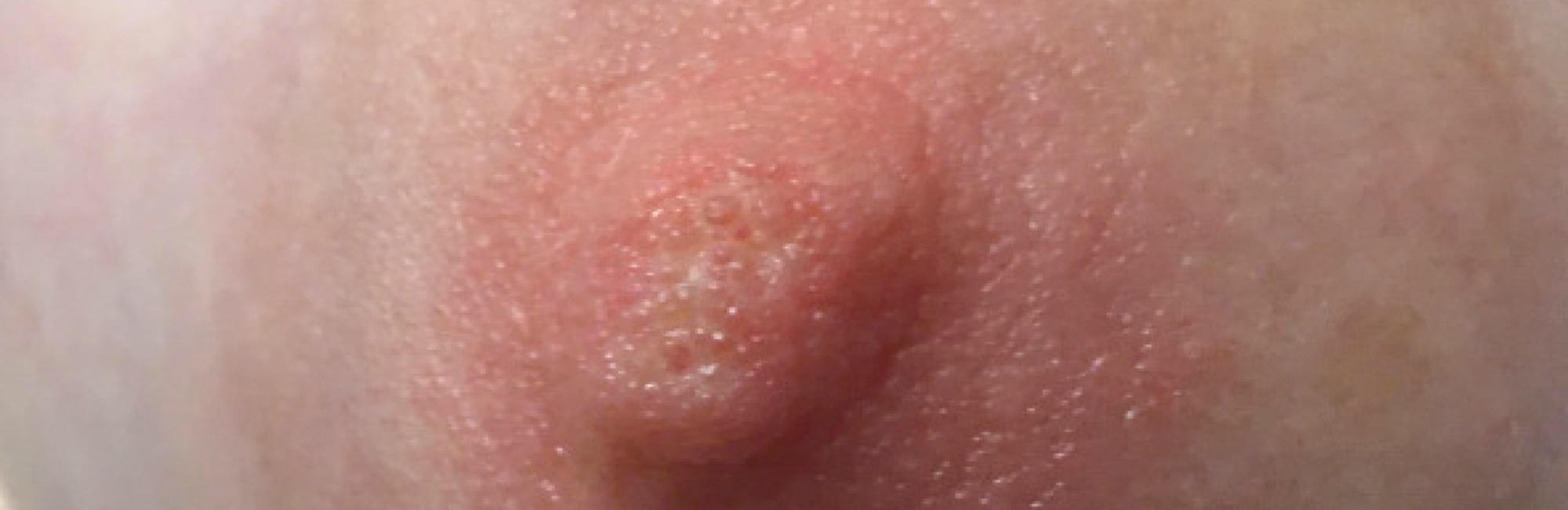
Today, however, women with nipple pain and damage will be advised to use great deal of unnecessary intervention – whether it’s antifungals and antibiotics, surgery in the baby’s mouth, or baby bodywork treatment – which lack evidence to support effectiveness for nipple pain, and which risk harm.
This happens because of the health system blind spot concerning the impact of fit and hold on breastfeeding success. It's been easy, then, for the international trend to overdiagnosis and overtreatment to dominate the care of breastfeeding mothers and babies. All sorts of pathologies and solutions are proposed, which lack an evidence-base, because our fit and hold interventions aren't effective and health professionals want to offer something.
Selected references
Douglas PS. Re-thinking lactation-related nipple pain and damage. Women's Health. 2022;18:17455057221087865.
Douglas PS. Poster presentation: Blind spot? Unidentifed feeding problems in infant cry-fuss and sleep research. 12th International Cry-fuss Research Workshop; Warwick, UK, 2014.