How to care for your breasts when they're engorged
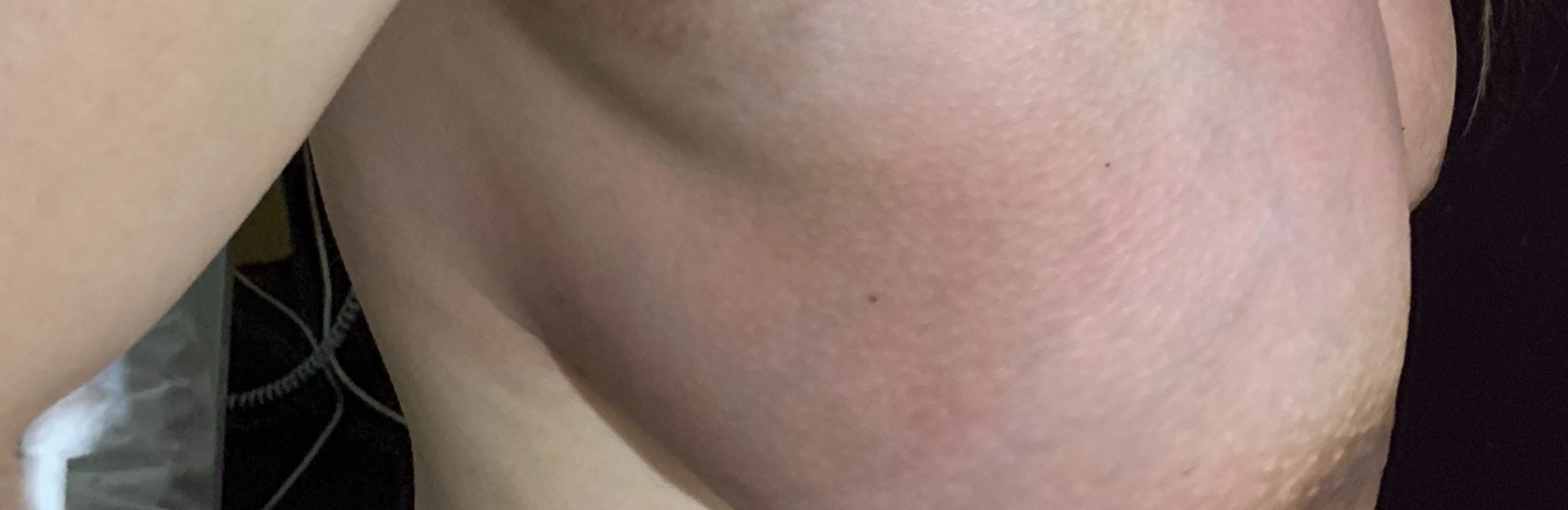
What to do if you have engorgement
Here's what to do if your breasts are engorged.
-
Offer your baby frequent flexible breastfeeds. You can find out about the importance of this here.
-
Make sure there is no nipple and breast tissue drag when baby is feeding and ensure positional stability. You can find out about breast tissue drag starting here.
-
Reverse pressure softening of the areola may help a baby who is having difficulty coming on due to engorgement. You can find out about reverse pressure softening, including a video demonstration, here.
-
Hand expression of your milk is not as effective as a vacuum for milk removal but has an important place in the management of engorgement for some women. Hand expression risks backpressure and micro-vascular trauma in a very tight full breast, and should be used carefully, without causing pain. Hand expression is more sensitive to your breasts than pumping, but some ladies choose to try some very gentle pumping, too. You can find a demonstration of hand expression here.
-
Anti-inflammatories (ibuprofen two 200 mg tablets every eight hours) may be helpful if you have a severe engorgement, though there haven't been research studies on this. Anti-inflammatories may help interrupt the cycles of raised pressure in the breast stroma or connective tissue caused by interstital or tissue fluid, which occludes your milk ducts, which then causes worse swelling. Having frequent let-downs from frequent flexible breastfeeds or gentle hand expression in a warm shower is, I would argue, by far the most powerful way of relieving cycles of backpressure and fluid though.
-
Some women with very generous breasts might benefit from gentle movement of the breasts with the palms of their hands, as long as this doesn't cause pain. Pain is your body's warning that something isn't right, and we do need to listen to this.
What doesn't help with engorgement?
You can find about about the things that don't help with engorgement here. For example, the following things (that you might hear advised) don't help.
-
Application of cabbage leaves
-
Hot or cold compresses
-
Acupuncture
-
Enzyme therapy or probiotics
Selected references
Chan MM, Nohara M, Chan BR, Curtis J, Chan GM. Lecithin decreaes human milk fat loss during enteral pumping. Journal of Pediatric Gastroenterology and Nutrition. 2003;36(5):613-615.
Diepeveen LC, Fraser E, Croft AJ. Regional and facility differences in interventions for mastitis by Australian physiotherapists. Journal of Human Lactation. 2019;35(4):695-705.
Lavigne V, Glebezon BJ. Ultrasound as a treatment of mammary blocked duct among 25 postpartum lactating women: a restrospective case series. Journal of Chiropractic Medicine. 2012;11(3):170-178.
McLachlan Z, Milne EF, Lumley J, Walker BL. Ultrasound treatment for breast engorgement: a randomised double blind trial. Australian Journal of Physiotherapy. 1991;37(1):23-28.
Moura SO, Borges LCdC, Carneiro TMdA. Therapeutic ultrasound alone and associated with lymphatic drainage. Breastfeeding Medicine. 2023;18(11):881-887.
Papadopoulos E, Mani R. The role of ultrasound therapy in the management of musculoskeletal soft tissue pain. International Journal of Lower Extremity Wounds. 2020;19(4):350-358.
Zakarija-Grkovic I, Stewart F. Treatments for breast engorgement during lactation (review). Cochrane Database of Systematic Reviews. 2020(9):doi:10.1002/14651858.CD14006946.pub14651854.