Breastfeeding your baby to sleep doesn’t cause bad habits
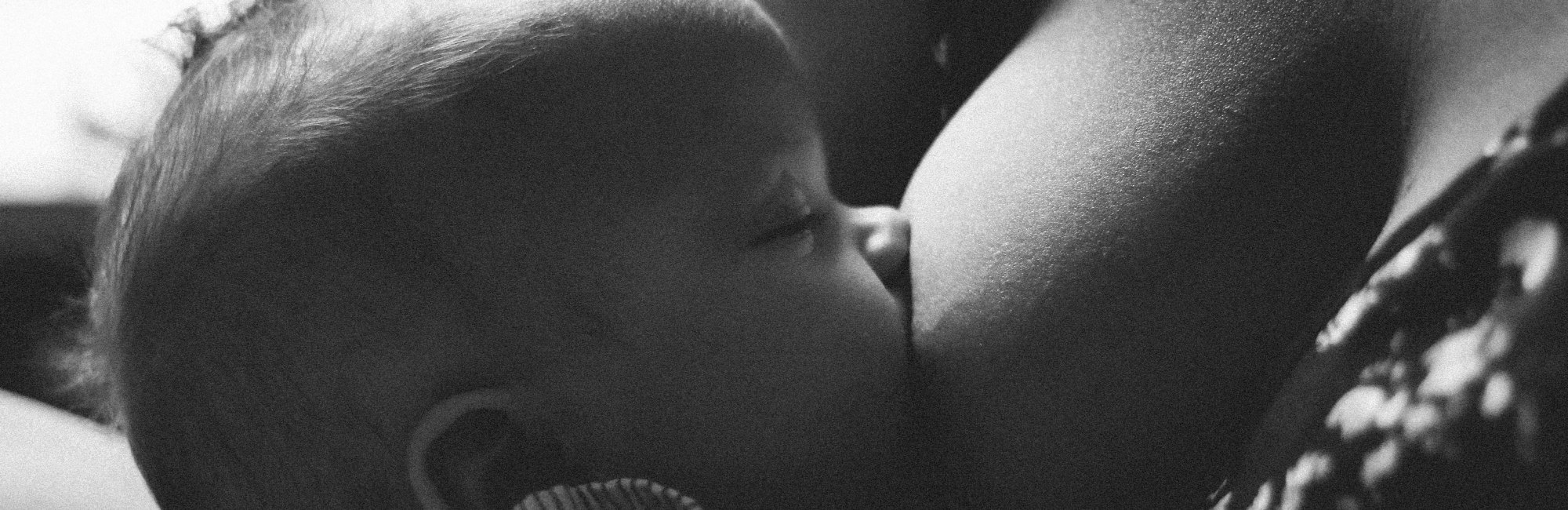
Breastfeeding to sleep is normal for human babies
It's usually much easier feeding and cuddling your baby to sleep than it is trying to put him down in a bassinet or cot while he is awake. Of course, if putting your baby down somewhere safe while he's awake works for you, with your baby calmly dropping off to sleep, why not! But most babies dial up when you try this. You can find out why frequent flexible breastfeeds make baby sleep easy here.
You might have heard that
-
Breastfeeding your baby to sleep sets up bad habits
-
Your baby wakes excessively at night because you offer the breast so much during the day
-
Your baby wakes excessively at night because you breastfeed your baby to sleep.
None of this is true.
From the 1950s and 1960s, mothers have been told that breastfeeding their baby to sleep makes life harder than it needs to be, and sets up bad habits. Although this advice is intended to help, it actually creates disruption and worsens exhaustion for many families. Sleep becomes much harder than it needs to be if women feel they shouldn't breastfeed their baby to sleep!
You might also have been advised to burp or hold baby upright after feeds, which tends to rouse him. Accidentally waking him up after feeds to burp or hold him upright overrides your baby's powerful biological sleepiness after feeds. It makes it hard for him to fall asleep when he is sleepy! Because babies feed many times a day or night, overriding the cue of sleepiness after feeds can disrupt your baby's sleep patterns and make sleep much harder than it needs to be.
Sleep is under the control of rising sleep pressure and the body clock only. Baby sleep isn’t controlled by associations with breastfeeding or cuddling the baby. Excessive night waking results from disruption to the circadian rhythm or body clock, not from bad habits set up by breastfeeding and cuddling.
Human babies are hardwired to dial up if they find themselves on their own in the night, away from a loving adult's body. Being dialled up makes it harder for the sleep pressure to do its job. The way to teach your baby to feel safe in the night is to respond and keep your baby as dialled down as possible.
Most parents adopt a rather relaxed, “I’m here if you really need me” approach to their babies’ night waking as baby grows older. They wait for a little while in the hope baby will drop back to sleep on his or her own! But it is important to respond before your little one starts to cry, or everyone in the household will be wide awake.
Breastfeeding to sleep teaches your baby good habits, which last a life-time
Your baby will have learnt that when he wakes during the night, the most lovely way to go back to sleep is at the breast, held up close to your body. This is not a bad habit! This is a wonderful gift that you or the breastfeeding mother have given your baby! Once your baby wakes in the night, he'll want to breastfeed because he has learnt that this is the easiest, loveliest way to get back to sleep, up close and safe in your arms. Your baby has developed the habit of expecting your loving physical response, and this is very good for your baby’s developing brain. It sets up
-
Mental and emotional habits of expecting life and people to be responsive and caring
-
Healthy psychological attachment styles, life-long.
Recommended resources
Frequent flexible breastfeeds help make baby sleep easy
How to support a breastfeeding woman so that baby sleep isn't entirely up to her
Would it help your baby's sleep to delay or space out breastfeeding in the night?
Is your baby (< 6 months) with sleep problems hungry and needing to start solids?
Is your baby (6 months +) with sleep problems hungry and needing more solids?
What to do about baby sleep when you're ready to wean from the breast?