Logo - The Possums baby and toddler sleep program.
parents home
librarybrowse all programsfind answers nowaudioprograms in audiogroup sessionsgroup sessions with dr pam
menu icon NDC Institute
possums for professionals
(the ndc institute)
menu icon eventsguest speakers
menu icon the sciencethe science behind possums/ndcmenu icon who we arewho we aremenu icon evidence basendc research publicationsmenu icon dr pam's booksdr pam's books
menu icon free resourcesfree resourcesmenu icon dr pam's blogdr pam's blog
menu icon consult with dr pamconsult with dr pammenu icon consult with dr pamfind a possums clinicmenu icon find a NDC accredited practitionerfind an ndc accredited practitioner
login-iconlogin

Welcome back!

Forgot password
get access
search

Search programs

Little People + Food icon

Little People + Food


  • Toddlers are messy eaters!
  • Things to avoid with infants and foods
  • Toddlers and snacking
  • Breastfeeding and toddlers
  • Would weaning from the breast or increasing the amount of solids your toddler eats help with sleep?

Next article

Sign up now
  • Little People + Food
  • S2: Toddlers + food

Toddlers and snacking
Dr Pamela Douglas22nd of Sep 20235th of Jan 2026

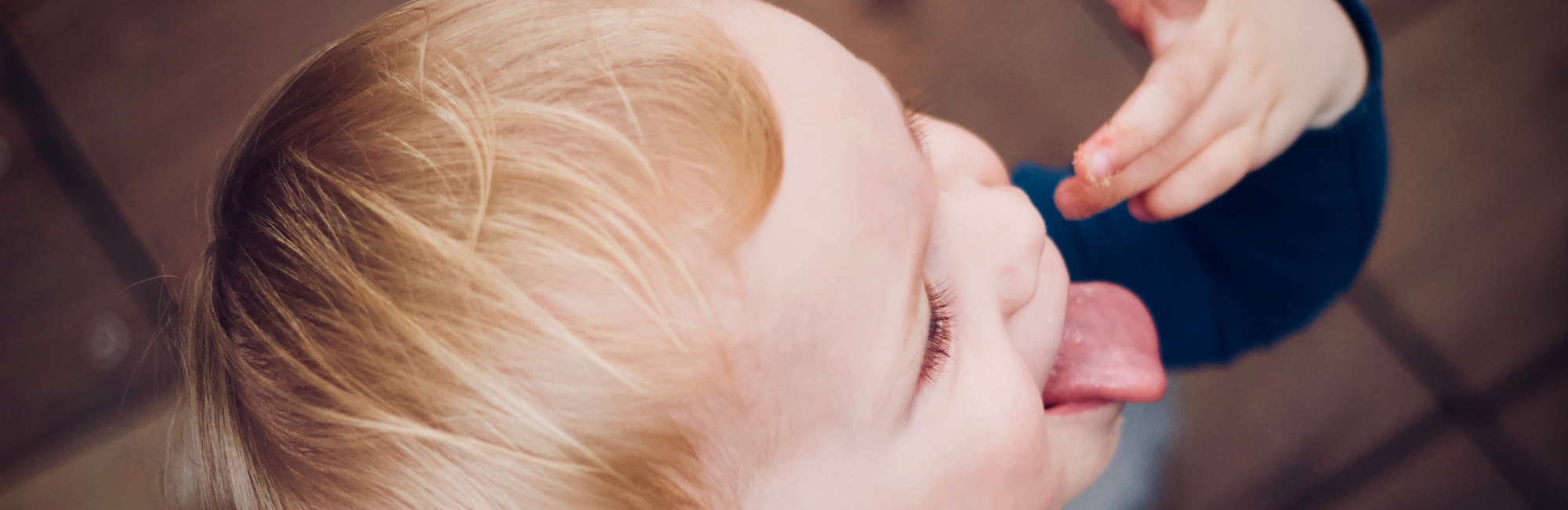
toddler with strawberry blonde hair snacks

Being strict about highchair mealtimes can backfire and disrupt a toddler's relationship with food

It’s ok that your toddler may not want to sit down with food for more than a few minutes, because toddlers naturally like to move on quickly to the next sensory adventure!

Toddlers are sensitive to feeling pressured to eat or pressured to stay sitting in a highchair. Accidentally putting your toddler under pressure to eat or stay in the highchair can actually backfire and cause eating problems. Over time, with encouragement but without being pressured, your toddler will learn to fit in to family rhythms because it’s a fun and satisfying way to be together. You don’t need to rush this.

Grazing is normal for toddlers. What matters is that you give them good quality options with lots of fresh fruit or vegie snacks (not sticky dried fruits, for example!) between mealtimes.

'Grazing' is normal for toddlers

You can encourage your little one to wait a little while for mealtimes rather than letting them fill up on snacks beforehand, so that they are hungry enough to be interested in the main meal. Some families like to plan times for breakfast, morning tea, lunch, afternoon tea, and dinner. But this kind of schedule doesn’t suit a lot of families and their toddlers.

The problem is that if we get too controlling about snacks and mealtimes, we might find our toddler starts to develop anxious and negative associations with food. Too much control can quickly backfire and accidentally disrupt your little one's relationship with food. This is why it's so important to be relaxed about food, and mostly focus on enjoyment and having lots wholesome food choices available very frequently throughout the day, rather than feeling under pressure for your toddler to stay in a high chair and eat a certain amount at designated mealtimes.

Even if your toddler doesn’t seem to like some foods at first, keep offering those foods again in a relaxed and casual way. Experimenting is an important part of your toddler’s relationship with food.

Needless to say, have plenty of water available too!

Selected references

Pjetraj D, Pjetraj A, Sayed D, Severini M, Falcioni L, Svarca LE, Gatti S, Lionetti ME. Decoding Picky Eating in Children: A Temporary Phase or a Hidden Health Concern? Nutrients. 2025 Dec 12;17(24):3884. doi: 10.3390/nu17243884. PMID: 41470829; PMCID: PMC12736178.

McCann J, Woods J, Mohebbi M, Russell C. Regulated nutrition claims increase perceived healthiness of an ultra-processed, discretionary toddler snack food and ultra-processed toddler milks: a discrete choice experiment. Appetite. 2022;106044:106044.

Acknowledgements

I'm grateful to Professor Sophie Havighurst, Ros June, and Caroline Ma at Mindful, The University of Melbourne, for their feedback on the articles and videos in Little people + food (brief & simple). They helped me keep the language plain and the concepts as accessible as possible.
Finished

share this article

Next up in Toddlers + food

Breastfeeding and toddlers

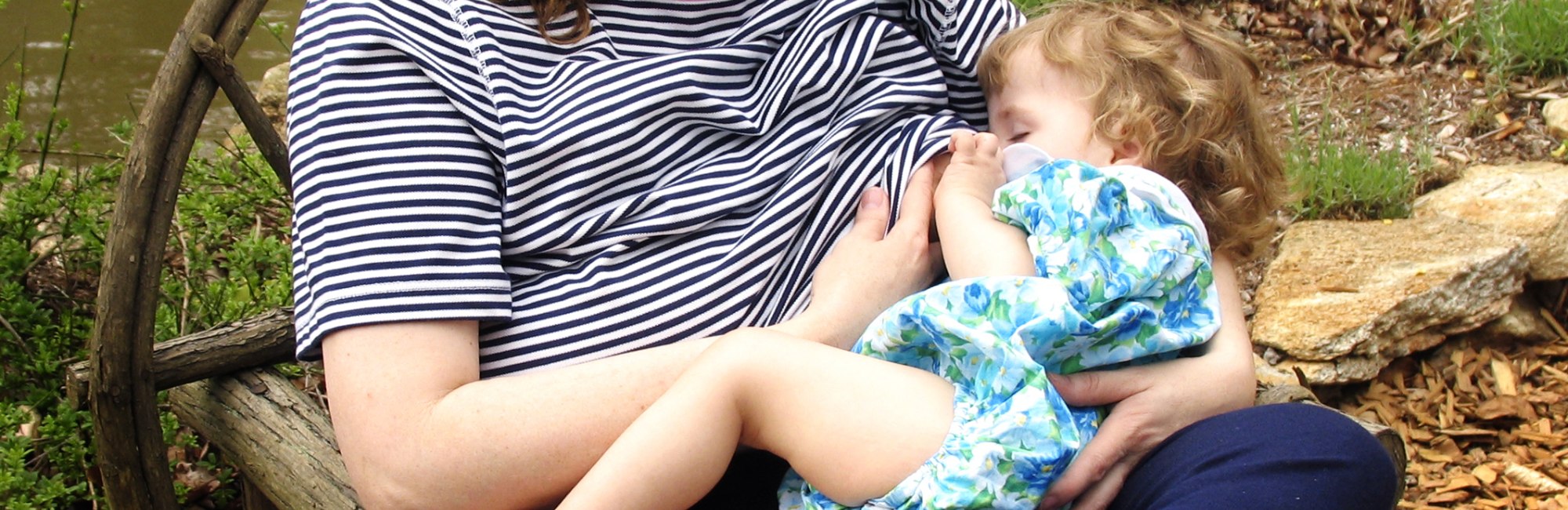
mother breastfeeds toddler outside in park

Only the mother or parents can decide what’s right for them and their toddler’s breastfeeding relationship, and when to wean. Breastfeeding your toddler as often as you want (or as often as the toddler’s mother wants) is great for toddlers.

  • A breastfeeding toddler may not eat as much food as a weaned toddler, but that is not usually a problem.

  • Toddlers might want to breastfeed out of boredom when you are inside the home. Being out and about enjoying friends, walks and activities will better meet the toddler’s sensory needs and shift the child’s focus away…

Keep reading
logo‑possums

Possums in your inbox

Evidence-based insights, tips, and tools. Occasional updates.

For parents

parents homebrowse all programsfind answers nowprograms in audiogroup sessions with dr pam

For professionals

possums for professionals
(the ndc institute)
guest speakers

About

the science behind possums/ndcwho we arendc research publicationsdr pam’s books

More resources

free resourcesdr pam’s blog

Clinical consultation

consult with dr pamfind a possums clinicfind an ndc accredited practitioner

Help & support

contact usfaqour social enterpriseprivacy policyterms & conditions

Social

instagramlinked infacebook

Possums acknowledges the traditional owners of the lands upon which The Possums Programs have been created, the Yuggera and Turrbal Peoples. We acknowledge that First Nations have breastfed, slept with, and lovingly raised their children on Australian lands for at least 65,000 years, to become the oldest continuous living culture on Earth. Possums stands with the Uluru Statement from the Heart.