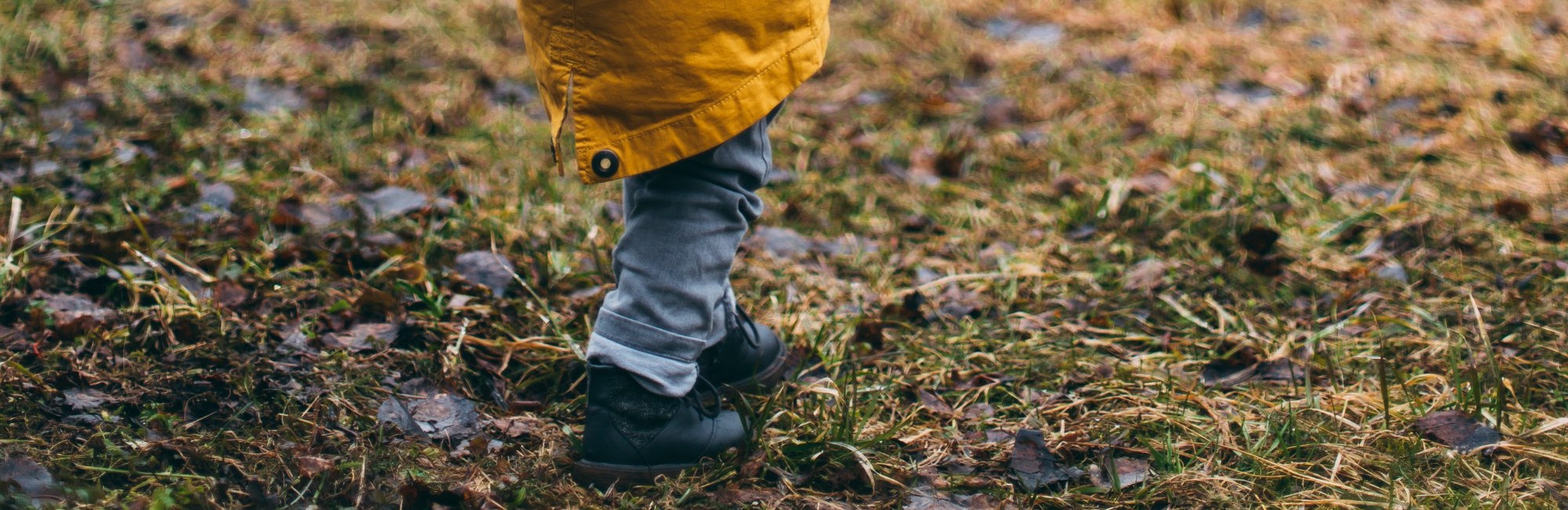
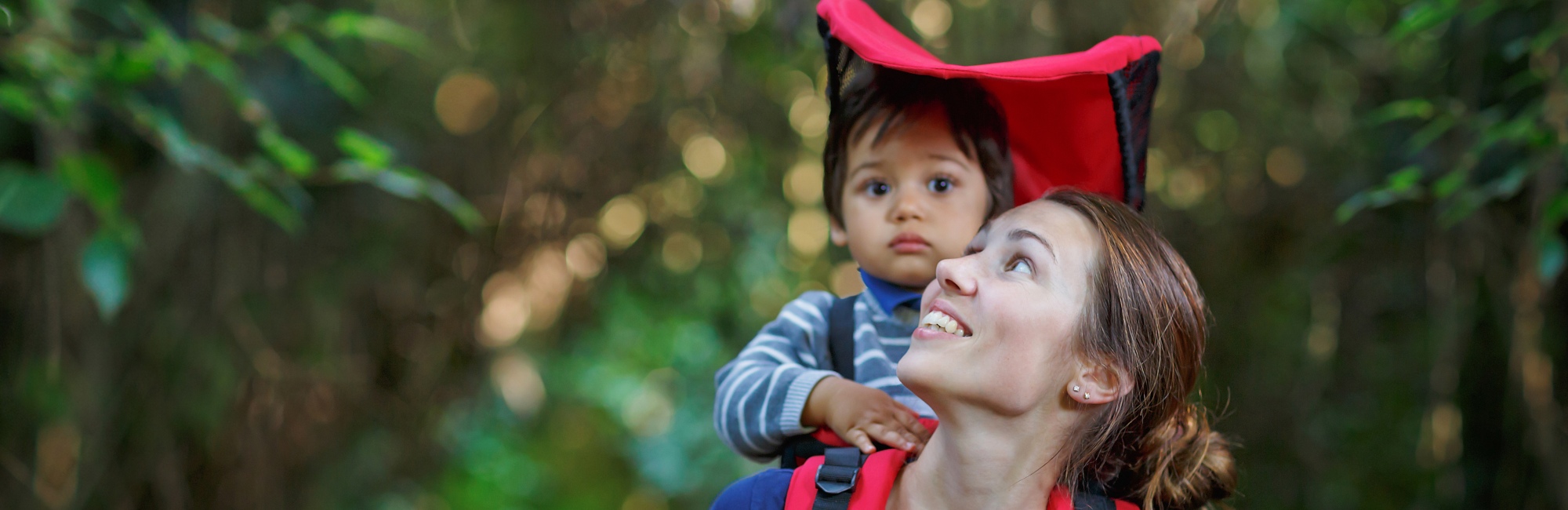
Is the saying "there's no such thing as bad weather, only bad clothing" true for babies and toddlers?
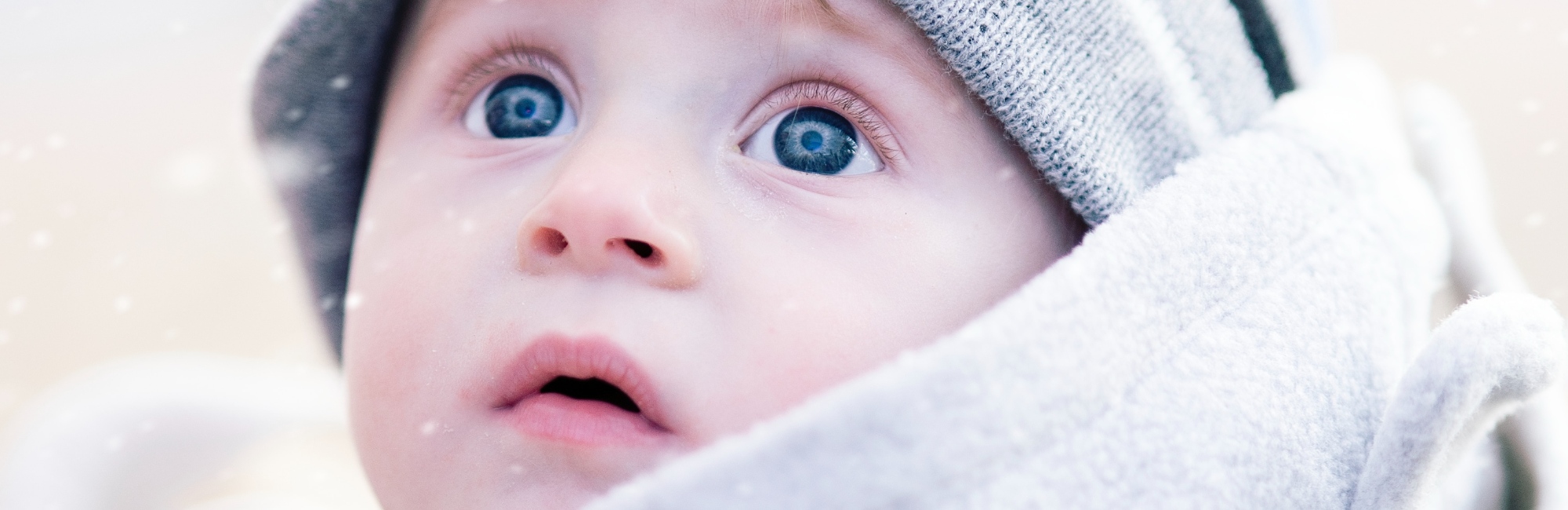
Getting outside even when the weather is bad makes life easiest for you and your baby or toddler
The belief that we shouldn't take our baby or toddler out in inclement weather can worsen a woman's experience of feeling trapped in the home with her little one. If you can't get out of the house, you might feel even more desperate to get your baby or toddler to sleep, so you can have a break.
The interior environments of our homes are low in sensory motor opportunities, which causes babies (here) and toddlers (here) to dial up, often worsening stress and exhaustion for the primary carer.
Getting out - even for a short walk - in the rain or the snow or the cold or the heat requires some organisation so that your child is dressed in a weather-proof way. But telling yourself "there is no such thing as bad weather, only bad clothing" can be a good way of thinking about it. There are many benefits to being outside the house and outdoors, whether in a park or the bush or on the streets, when you're caring for a baby or toddler!
Of course, depending where you live, there may be occasions when you decide it really isn't safe to go out with your tiny child. (Maybe you and that little sweetheart can drive to visit a friend's home instead, or to take refuge in an indoor shopping centre, where at least there will be plenty for your child to look at?)
Parents have kept babies and toddlers safe despite living in highly variable or extreme climates over tens of thousands of years, whether they were the Inuit in the Artic circle or the First Peoples of far north Australia, close to the equator. I worry that we've swung too far towards protecting our babies and small children from bad weather in Western societies, in ways that unnecessarily worsen a woman's or a carer's burden of work. You can find out about temperature regulation in the night here.
Some folks still believe that 'good mothers' keep their babies and toddlers inside if it's raining, or hot, or cold, or windy, or snowing. This means that the number of occasions a woman or carer can take her little one outdoors without worrying about judgement from others may be quite limited, depending on where she lives! Yet too much time inside the home can have unexpected and unwanted effects on both the mother or primary carer and the baby or small child, down the track.
So much enjoyment and rich sensory motor experience for both you and your child, even when still very tiny, comes from braving the weather together (and hopefully, often enough, with a friend or two keeping you company as well).
Managing the sun
Direct exposure of your baby's or toddler's skin to too much ultraviolet light remains a concern, particularly in more tropical latitudes such as where I live, in Brisbane, Australia. Regardless of your little one's skin tone, it's best to avoid more than a minute or two of direct sunlight on his skin between 11 a.m. and 4 p.m.
However, there are still hours each day, in the early morning or late afternoon, when your baby in the first six months of life, with his sensitive skin (whether fair or dark) can be safely taken outdoors.
There are also many ways to be out and about at the same time as you protect your baby or toddler from the sun, using protective clothing, hats, shades, and sunscreen. On the whole, it's best to avoid sunscreen until baby is older than six months, because under six months sunscreen is more likely to cause skin rashes and reactions.
Managing the cold
Here are things to remember when you're going outside with your baby or toddler in very cold weather.
-
Wind chill can be deceiving, even when the temperature is above freezing point.
-
Dressing your baby or toddler in layers gives you flexibility for changeable indoor and outdoor environments.
-
Your baby can't shiver until about six months of age. Your little one loses heat more quickly than adults, for this and other reasons.
-
If you need a coat or jacket, put your baby or toddler in a coat or jacket too (unless you're wearing your baby or toddler inside your own jacket).
-
Wearing your baby in a carrier device inside your own clothing or coat compensates for your baby's immature temperature regulation.
-
Your baby is likely to dial up if she is too hot or too cold. Her skin will become warm to touch if she is overheating and cold to touch if she is not warm enough.
-
Your toddler may become dialled up and grumpy and may also be able to tell you if he's too cold. (Toddlers may still run around quite happily outside in the heat, preferring that to being inside and bored. You'd monitor this situation, offering water regularly.)
-
If you take your baby's or toddler's coat, mittens and beanie off before buckling her into the car seat, the straps will fit snugly, ensuring safety, and she is less likely to overheat.
-
Putting a plastic cover or blanket over your little one's stroller affects air circulation and can cause overheating. Also, your small child is likely to be much more dialled down if he can see the world around him, because this meets his sensory need.
Rcommended resources
I like this blog by Moriah Butler about dressing her babies and children for outdoor play and learning in a very cold climate.
You can find a Queensland Health article on how to keep your baby safe from the sun here.
You can find out about sun safety and small children here.