Logo - The Possums baby and toddler sleep program.
parents home
librarybrowse all programsfind answers nowaudioprograms in audiogroup sessionsgroup sessions with dr pam
menu icon NDC Institute
possums for professionals
(the ndc institute)
menu icon eventsguest speakers
menu icon the sciencethe science behind possums/ndcmenu icon who we arewho we aremenu icon evidence basendc research publicationsmenu icon dr pam's booksdr pam's books
menu icon free resourcesfree resourcesmenu icon dr pam's blogdr pam's blog
menu icon consult with dr pamconsult with dr pammenu icon consult with dr pamfind a possums clinicmenu icon find a NDC accredited practitionerfind an ndc accredited practitioner
login-iconlogin

Welcome back!

Forgot password
get access
search

Search programs

PBL Foundations icon

PBL Foundations


  • How do you know when your milk comes in?
  • How do you know if you have delayed onset of lactation?
  • What you need to know about baby weight gain in the first two weeks of life?
  • How can you tell if your baby is getting enough milk from direct breastfeeding?
  • Can your newborn have too much sleep?
  • It's normal for babies to have green stools and mucous in the stool
  • Why lists of feeding cues can make breastfeeding go worse, not better

Next article

Sign up now
  • PBL Foundations
  • S6: Breastfeeding your newborn
  • CH 4: When your milk comes in

How do you know if you have delayed onset of lactation?
Dr Pamela Douglas9th of Oct 202422nd of Feb 2025

x

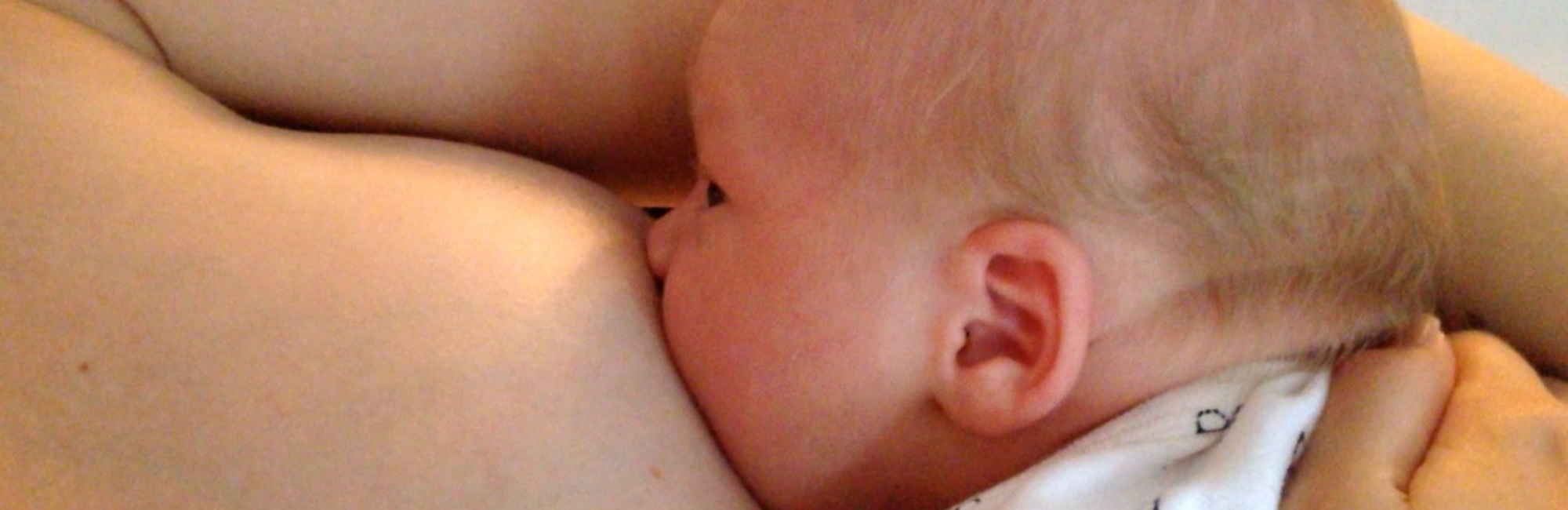
Copious milk production, which usually occurs by the fifth day after the birth, can't always be measured by a feeling of fullness in the breasts. This is because if your baby is feeding frequently and flexibly, you mightn't experience breast fullness when your milk comes in.

Fullness of the breasts might also signal that you've had an overshoot in milk production beyond what your baby needs, and the fullness is in fact dialing down or calibrating your supply.

But if you're not offering your breast often enough to your baby, the supply may dial down too much and then not meet your baby’s needs.

If you don’t have copious milk production by the end of day five, measured by baby’s throughput and baby beginning to gain weight well, we refer to this as delayed secretory activation. There are a number of causes for this, that your health professionals will screen for. You can find a list of possible causes here.
Finished

share this article

Next up in When your milk comes in

What you need to know about baby weight gain in the first two weeks of life?

x

Your baby can afford to lose up to ten percent of his or her birth weight in the first week after his birth, if he is not born prematurely.

Although the research tells us that a weight loss of up to 15% may occur in some babies without the baby's safety or health being threatened (as long as you are offering breastfeeds frequently and flexibly), your baby will need to be under the care of your health professional after 10% of birth weight is lost. This is to ensure your baby's safety, as your milk production…

Keep reading
logo‑possums

Possums in your inbox

Evidence-based insights, tips, and tools. Occasional updates.

For parents

parents homebrowse all programsfind answers nowprograms in audiogroup sessions with dr pam

For professionals

possums for professionals
(the ndc institute)
guest speakers

About

the science behind possums/ndcwho we arendc research publicationsdr pam’s books

More resources

free resourcesdr pam’s blog

Clinical consultation

consult with dr pamfind a possums clinicfind an ndc accredited practitioner

Help & support

contact usfaqour social enterpriseprivacy policyterms & conditions

Social

instagramlinked infacebook

Possums acknowledges the traditional owners of the lands upon which The Possums Programs have been created, the Yuggera and Turrbal Peoples. We acknowledge that First Nations have breastfed, slept with, and lovingly raised their children on Australian lands for at least 65,000 years, to become the oldest continuous living culture on Earth. Possums stands with the Uluru Statement from the Heart.