Logo - The Possums baby and toddler sleep program.
parents home
librarybrowse all programsfind answers nowaudioprograms in audiogroup sessionsgroup sessions with dr pam
menu icon NDC Institute
possums for professionals
(the ndc institute)
menu icon eventsguest speakers
menu icon the sciencethe science behind possums/ndcmenu icon who we arewho we aremenu icon evidence basendc research publicationsmenu icon dr pam's booksdr pam's books
menu icon free resourcesfree resourcesmenu icon dr pam's blogdr pam's blog
menu icon consult with dr pamconsult with dr pammenu icon consult with dr pamfind a possums clinicmenu icon find a NDC accredited practitionerfind an ndc accredited practitioner
login-iconlogin

Welcome back!

Forgot password
get access
search

Search programs

PBL Foundations icon

PBL Foundations


  • Why damaged nipples need as much air exposure as possible and when to use lanolin, soothies, hydrogel discs, polymem, or other polymeric membrane dressings
  • Do silverettes and breast shells help heal a nipple wound?
  • When does an antibiotic (ointment or by mouth) help heal a nipple wound?

Next article

Sign up now
  • PBL Foundations
  • S7: Nipple pain and damage
  • CH 4: How to heal your nipples as quickly as possible
  • PT 4.3: What else helps a nipple wound heal?

When does an antibiotic (ointment or by mouth) help heal a nipple wound?
Dr Pamela Douglas30th of Dec 202430th of Dec 2024

x

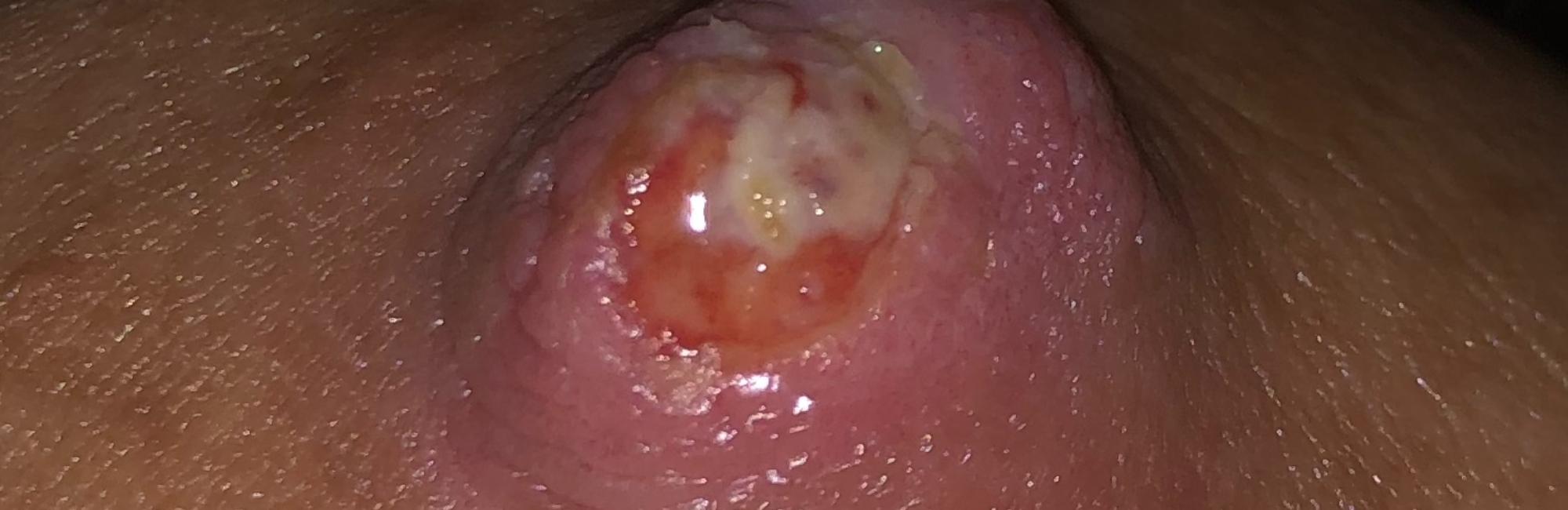
If you have nipple damage from breastfeeding which has resulted in an ulcer, you might notice that the surface of the wound exudes a thick or watery yellowish, greenish, or greyish fluid. This is a normal part of your nipple skin's healing process, and is not a sign of infection.

You need only to allow the water to cleanse it in the shower. It won't hurt your baby. If you have such a large nipple wound, and so much exudate that you are concerned about your baby swallowing it, I recommend that you see a breastfeeding support professional or an NDC Accredited practitioner. It is likely that you need to give your nipples a break, so that the wound can heal, before you continue with further breastfeeding.

Needless to say, it is very important that the underlying nipple and breast tissue drag which causes repetitive microtrauma to your nipple is dealt with. You can find out about this starting here.

Sometimes the exudate from your nipple wound might become particularly smelly and copious. Sometimes, the area around the wound becomes inflamed and painful, as one of the bacterial species that are inevitably present in the wound begins to dominate and spread. Please see your doctor for assessment, if this is the case. Your doctor may decide to use an antibiotic, either as an application or as an oral dose.

The woman with the ulcer shown in the picture at the top of this page had continued to breastfeed using nipple shields, seeking help from multiple breastfeeding support professionals before she came to me. We decided that she needed to rest her nipples for complete healing before we began to work together on the getalt approach to fit and hold. She went on to enjoy a pain free 18 months of breastfeeding her little one.
Recommended resources

What causes visible nipple damage (cracks, ulcers, bruising, or other wounds) when you're breastfeeding or lactating?

Paying attention to micromovements and nipple sensation through each breastfeed minute by minute is the best way to heal up pain and damage

Finished

share this article

Next up in When pumping worsens nipple pain or damage + what to do

What causes nipple pain and damage with pumping?

x

Here are common causes of nipple pain and damage with pumping.

  • The flange is too small, and your nipple rubs on the inside wall of the tunnel.

  • The flange is too large, and your areola is drawn up into the tunnel. This typically results in a red sore ring with a clear margin on your areola.

  • You already have a crack in your nipple skin, or worse, and pumping keeps on opening it up or prevents it from healing.

Here are things to try.

  • Avoid power pumping. Pumping is best done the same as frequent flexible feeds - it's frequency that matters, and not necessarily for long…

Keep reading
logo‑possums

Possums in your inbox

Evidence-based insights, tips, and tools. Occasional updates.

For parents

parents homebrowse all programsfind answers nowprograms in audiogroup sessions with dr pam

For professionals

possums for professionals
(the ndc institute)
guest speakers

About

the science behind possums/ndcwho we arendc research publicationsdr pam’s books

More resources

free resourcesdr pam’s blog

Clinical consultation

consult with dr pamfind a possums clinicfind an ndc accredited practitioner

Help & support

contact usfaqour social enterpriseprivacy policyterms & conditions

Social

instagramlinked infacebook

Possums acknowledges the traditional owners of the lands upon which The Possums Programs have been created, the Yuggera and Turrbal Peoples. We acknowledge that First Nations have breastfed, slept with, and lovingly raised their children on Australian lands for at least 65,000 years, to become the oldest continuous living culture on Earth. Possums stands with the Uluru Statement from the Heart.