
What causes nipple pain and damage with pumping?
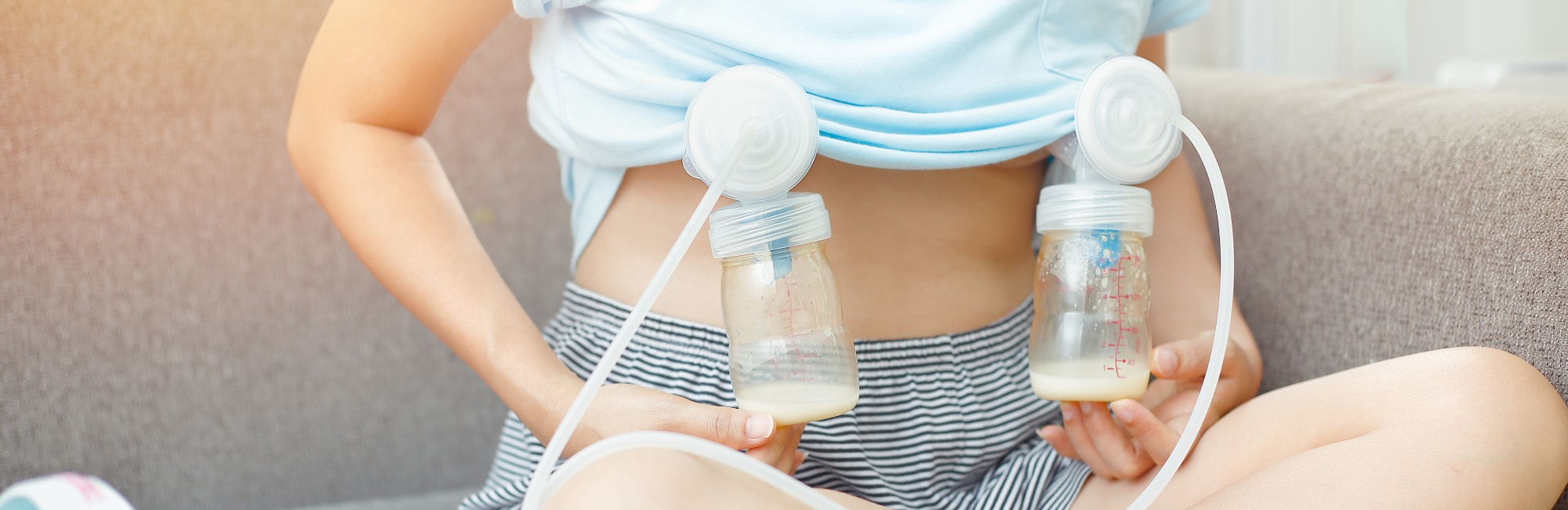
Here are common causes of nipple pain and damage with pumping.
-
The flange is too small, and your nipple rubs on the inside wall of the tunnel.
-
The flange is too large, and your areola is drawn up into the tunnel. This typically results in a red sore ring with a clear margin on your areola.
-
You already have a crack in your nipple skin, or worse, and pumping keeps on opening it up or prevents it from healing.
Here are things to try.
-
Avoid power pumping. Pumping is best done the same as frequent flexible feeds - it's frequency that matters, and not necessarily for long sessions. Most breastmilk in a feed is transferred by the first two letdowns.
-
Keep the pump setting on the lowest vacuum possible, which is effective for you.
-
Use olive oil to lubricate the flange.
-
Make sure you are holding the flanges in just the right place to avoid the nipples rubbing inside the tunnel.
-
Be careful that wearable pumps aren't causing your nipple skin to become overhydrated, and therefore more easily damaged.
-
Use inserts known as breast pump cushions (be careful to purchase one that allows your nipple to move freely through the ring without rubbing).
-
If you are using breast compressions while pumping, be sure that this isn't causing irregular application of pump pressure on your nipples (resulting in drag which perpetuates mechanical microtrauma).
Recommended resources
Choosing the breastmilk pump that is right for you
Do breast compressions or massaging of the breast help increase milk transfer (directly breastfeeding + pumping)?
Exclusively or predominantly pumping: what the research tells us about how and why women do it
Frequency and durations of pumping your breastmilk + what’s useful to know about pumping bras
How to protect your nipples and breasts from injury during pumping
How to pump your breast milk as easily and effectively as possible: wearable and non-wearable pumps
How to use your breastmilk pump without causing pain
Human milk pumps are an amazing and underrated technological advance, but there are also important downsides to pumping
Nipple damage from pumping
Pumping your breast milk when baby is in NICU + human milk banks and donors
Things to know as you make decisions about pumping your milk: occupational fatigue, mastitis, microbiome and nutrient changes, odour, milk crust
V2 What causes nipple pain and damage with pumping?
What causes nipple pain and damage with pumping?
What timings work best when you're pumping your breast milk?
When does pumping and feeding your baby expressed breast milk help with breastfeeding?
When does pumping interfere with (rather than help you move towards) direct breastfeeding your baby?
Will power pumping, breast compressions, and hand expression after pumping help you built your supply?
Your nipple skin knows how to adapt to the mechanical pressures of breastfeeding (or pumping)
You can find out about pumping and its role in your breastfeeding relationship as a podcast here or as a transcript here.
About storing your expressed breastmilk, cleaning your pump, and what bottles to use