Logo - The Possums baby and toddler sleep program.
parents home
librarybrowse all programsfind answers nowaudioprograms in audiogroup sessionsgroup sessions with dr pam
menu icon NDC Institute
possums for professionals
(the ndc institute)
menu icon eventsguest speakers
menu icon the sciencethe science behind possums/ndcmenu icon who we arewho we aremenu icon evidence basendc research publicationsmenu icon dr pam's booksdr pam's books
menu icon free resourcesfree resourcesmenu icon dr pam's blogdr pam's blog
menu icon consult with dr pamconsult with dr pammenu icon consult with dr pamfind a possums clinicmenu icon find a NDC accredited practitionerfind an ndc accredited practitioner
login-iconlogin

Welcome back!

Forgot password
get access
search

Search programs

PBL Foundations icon

PBL Foundations


  • What causes nipple pain when there's no visible crack in the skin?
  • What causes visible nipple damage (cracks, ulcers, bruising, or other wounds) when you're breastfeeding or lactating?
  • Does it seem as if your baby's tongue is causing friction burns, pinching, or painful compression?
  • Does your baby have tongue-tie or other oral connective tissue or fascial restrictions resulting in breastfeeding problems?
  • Is nipple pain and damage caused by your nipple height or your breast anatomy?
  • Is your nipple pain explained by high vacuums in your baby's mouth?
  • Do teats and pacifiers affect baby's suck and cause nipple pain?
  • Does thrush infection cause breast or nipple pain when you're breastfeeding?
  • What are the most common causes of nipple pain and damage when you're breastfeeding an older baby or child (with a word about teeth)?

Next article

Sign up now
  • PBL Foundations
  • S7: Nipple pain and damage
  • CH 3: What causes nipple pain and damage?

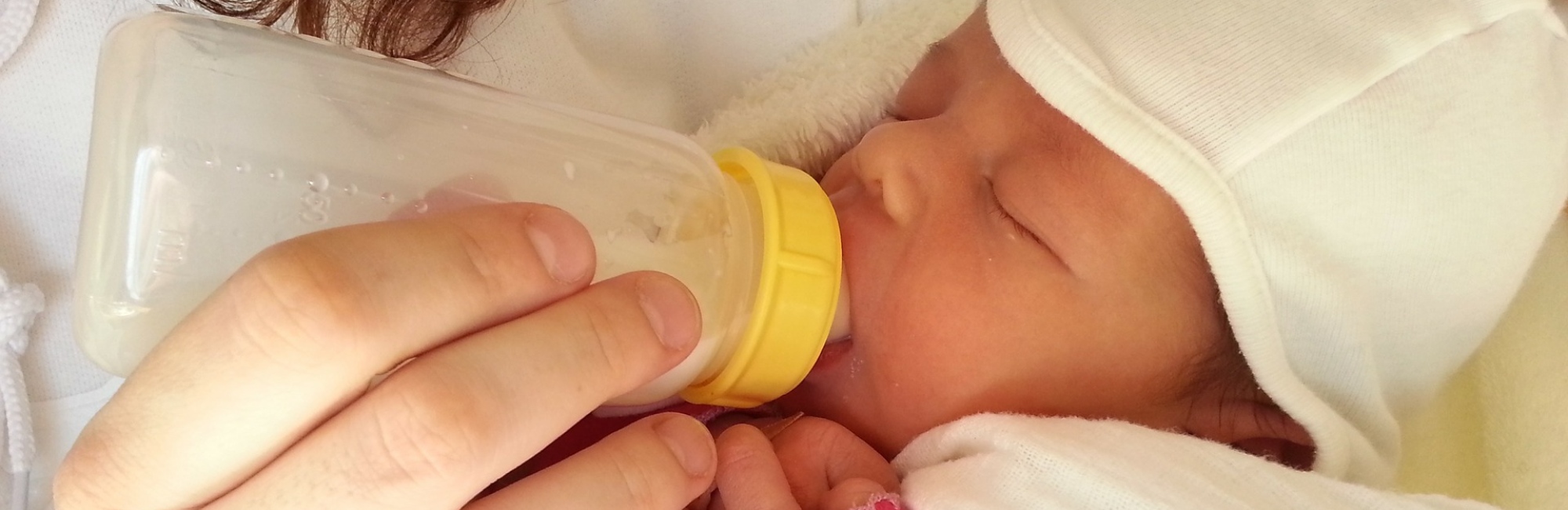
Do teats and pacifiers affect baby's suck and cause nipple pain?
Dr Pamela Douglas6th of Jul 20241st of Apr 2025

x

The research shows that pacifier use and drinking from bottle teats don't cause abnormal neuromuscular pathways which impact upon breastfeeding. This is because the way your baby uses his tongue and muscles of suckling responds to the context in which he is suckling. Use of the pacifier or bottle doesn't cause nipple confusion or disrupted sucking biomechanics.

Babies can however become used to silicone teats and nipple shields, and often won’t take the breast unless the shield is on if they’ve used the shield for a time. It's also true that babies may not have a strong appetite drive to transfer milk from the breast once they are predominantly satiated with bottle-feeding.

But you don’t need to worry that your baby will develop neural pathways of dysfunctional tongue movement if you are using a pacifier or bottle. The biomechanics of sucking are simple and robust, and the same whether or not a nipple shield is being used. Once a baby’s mouth is full of breast tissue, the vacuum from the jaw drop acts to draw out the milk, regardless of previous bottle or teat use, as long as there is appetite drive.

The tongue moulds around a teat the same way it moulds around the nipple and breast tissue that is drawn up inside the mouth as the jaw drops. The tongue's shape and movement don't drive breastfeeding forward. Your baby’s tongue simply responds to the amount of nipple and breast tissue, and or to the shape of the silicone shield or teat, which he finds in his little mouth.

Recommended resources

You can find out why the tongue isn't driving breastfeeding here and here.

You can find out about nipple shield use here.

You can find out more about pacifiers and breastfeeding here.

Selected references

Zimmerman E, Thompson K. Clarifying nipple confusion. Journal of Perinatology. 2015;35(11):895-899.

McClellan HL, Kent JC, Hepworth AR, Hartmann PE, Geddes DT. Persistent nipple pain in breastfeeding mothers associated with abnormal infant tongue movement. International Journal of Environmental Research and Public Health. 2015;12:10833-10845.

Finished

share this article

Next up in What causes nipple pain and damage?

Does thrush infection cause breast or nipple pain when you're breastfeeding?

x

It used to be said that a deep, radiating or stabbing pain between breastfeeds, or a shiny pink inflamed nipple with white flakes of skin, were signs of thrush (or candida albicans) infection of the nipple. Women were given long courses of anti-fungal medications, both as ointments to apply and tablets to take. Babies were treated for weeks with oral anti-thrush medications.

In 2021 I published a systematic review which showed what I'd known for years from the research literature

  • There is no evidence to suggest that lactating women suffer from candidal infections of the nipple

  • Candida albicans or yeast or thrush microorganisms are commonly found in your milk microbiome, on your nipple…

Keep reading
logo‑possums

Possums in your inbox

Evidence-based insights, tips, and tools. Occasional updates.

For parents

parents homebrowse all programsfind answers nowprograms in audiogroup sessions with dr pam

For professionals

possums for professionals
(the ndc institute)
guest speakers

About

the science behind possums/ndcwho we arendc research publicationsdr pam’s books

More resources

free resourcesdr pam’s blog

Clinical consultation

consult with dr pamfind a possums clinicfind an ndc accredited practitioner

Help & support

contact usfaqour social enterpriseprivacy policyterms & conditions

Social

instagramlinked infacebook

Possums acknowledges the traditional owners of the lands upon which The Possums Programs have been created, the Yuggera and Turrbal Peoples. We acknowledge that First Nations have breastfed, slept with, and lovingly raised their children on Australian lands for at least 65,000 years, to become the oldest continuous living culture on Earth. Possums stands with the Uluru Statement from the Heart.