Logo - The Possums baby and toddler sleep program.
parents home
librarybrowse all programsfind answers nowaudioprograms in audiogroup sessionsgroup sessions with dr pam
menu icon NDC Institute
possums for professionals
(the ndc institute)
menu icon eventsguest speakers
menu icon the sciencethe science behind possums/ndcmenu icon who we arewho we aremenu icon evidence basendc research publicationsmenu icon dr pam's booksdr pam's books
menu icon free resourcesfree resourcesmenu icon dr pam's blogdr pam's blog
menu icon consult with dr pamconsult with dr pammenu icon consult with dr pamfind a possums clinicmenu icon find a NDC accredited practitionerfind an ndc accredited practitioner
login-iconlogin

Welcome back!

Forgot password
get access
search

Search programs

PBL Foundations icon

PBL Foundations


  • What causes nipple pain when there's no visible crack in the skin?
  • What causes visible nipple damage (cracks, ulcers, bruising, or other wounds) when you're breastfeeding or lactating?
  • Does it seem as if your baby's tongue is causing friction burns, pinching, or painful compression?
  • Does your baby have tongue-tie or other oral connective tissue or fascial restrictions resulting in breastfeeding problems?
  • Is nipple pain and damage caused by your nipple height or your breast anatomy?
  • Is your nipple pain explained by high vacuums in your baby's mouth?
  • Do teats and pacifiers affect baby's suck and cause nipple pain?
  • Does thrush infection cause breast or nipple pain when you're breastfeeding?
  • What are the most common causes of nipple pain and damage when you're breastfeeding an older baby or child (with a word about teeth)?

Next article

Sign up now
  • PBL Foundations
  • S7: Nipple pain and damage
  • CH 3: What causes nipple pain and damage?

Is your nipple pain explained by high vacuums in your baby's mouth?
Dr Pamela Douglas6th of Jul 20242nd of Jan 2025

x

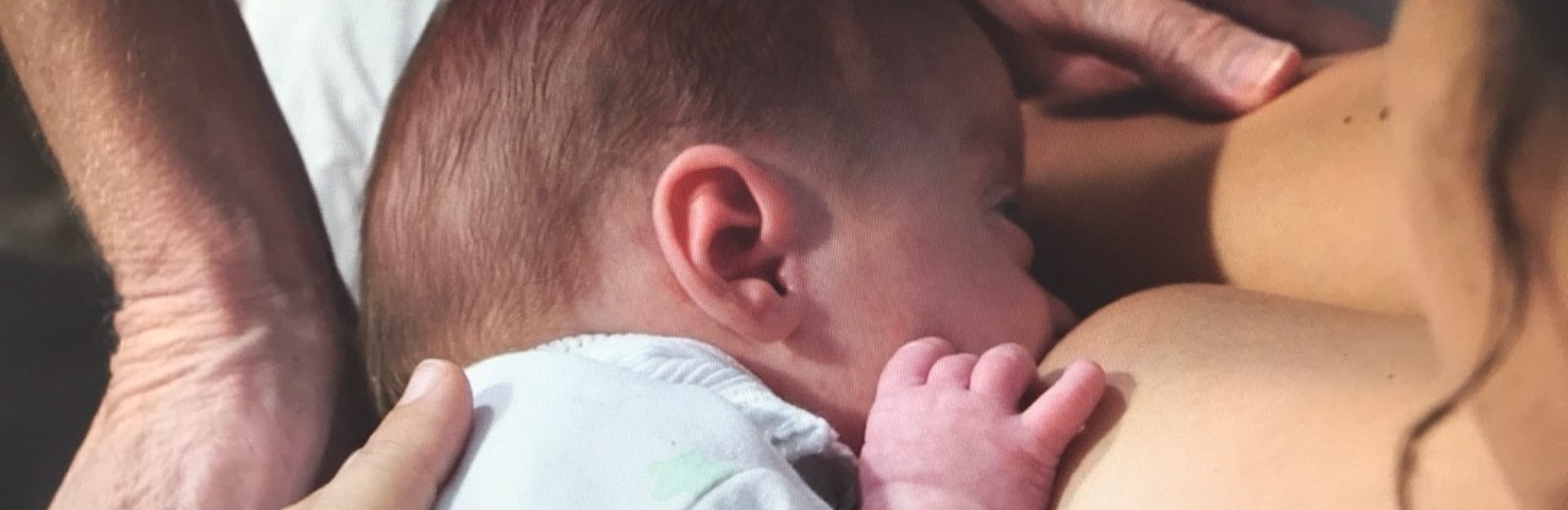
Babies of women experiencing nipple pain have higher peak vacuum pressures in their mouths while breastfeeding compared to babies of women who aren't experiencing pain. The Human Lactation Research Group found that two-thirds of women with persistent nipple pain despite standard fit and hold interventions by International Board Certified Lactation Consultants had stronger vacuums while breastfeeding compared to babies whose mothers didn't have pain.

This finding has been interpreted as showing that some babies must naturally generate very high negative suction pressures, which are more likely to damage their mothers.

But that theory doesn’t take into account the highly dynamic nature of the physical or mechanical interaction between mother and baby during breastfeeding.

In Possums Breastfeeding & Lactation, I suggest that these babies are experiencing breast tissue drag, which causes not only pain, but also a compensatory increase in vacuum pressure as baby attempts to draw up more breast tissue into the mouth (or even just to hold on to what breast tissue is in his mouth) in response to the breast tissue drag. This increased stretching load will cause pain and damage.

The stretching force generated by the vacuum in the baby’s mouth needs to be spread out over a larger surface area of nipple and breast tissue to avoid the nipple pain.
Finished

share this article

Next up in What causes nipple pain and damage?

Do teats and pacifiers affect baby's suck and cause nipple pain?

x

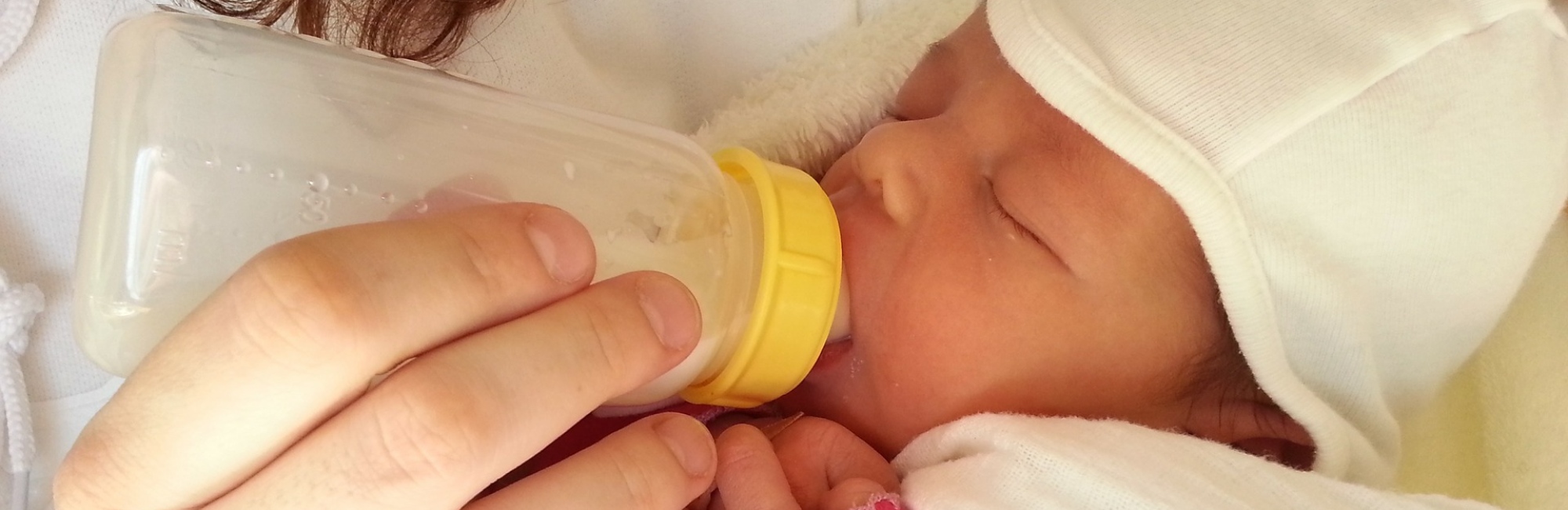
The research shows that pacifier use and drinking from bottle teats don't cause abnormal neuromuscular pathways which impact upon breastfeeding. This is because the way your baby uses his tongue and muscles of suckling responds to the context in which he is suckling. Use of the pacifier or bottle doesn't cause nipple confusion or disrupted sucking biomechanics.

Babies can however become used to silicone teats and nipple shields, and often won’t take the breast unless the shield is on if they’ve used the shield for a time. It's also true that babies may not have a strong appetite drive to transfer milk from the breast once they are predominantly satiated with bottle-feeding.

But you don’t need to…

Keep reading
logo‑possums

Possums in your inbox

Evidence-based insights, tips, and tools. Occasional updates.

For parents

parents homebrowse all programsfind answers nowprograms in audiogroup sessions with dr pam

For professionals

possums for professionals
(the ndc institute)
guest speakers

About

the science behind possums/ndcwho we arendc research publicationsdr pam’s books

More resources

free resourcesdr pam’s blog

Clinical consultation

consult with dr pamfind a possums clinicfind an ndc accredited practitioner

Help & support

contact usfaqour social enterpriseprivacy policyterms & conditions

Social

instagramlinked infacebook

Possums acknowledges the traditional owners of the lands upon which The Possums Programs have been created, the Yuggera and Turrbal Peoples. We acknowledge that First Nations have breastfed, slept with, and lovingly raised their children on Australian lands for at least 65,000 years, to become the oldest continuous living culture on Earth. Possums stands with the Uluru Statement from the Heart.