Logo - The Possums baby and toddler sleep program.
parents home
librarybrowse all programsfind answers nowaudioprograms in audiogroup sessionsgroup sessions with dr pam
menu icon NDC Institute
possums for professionals
(the ndc institute)
menu icon eventsguest speakers
menu icon the sciencethe science behind possums/ndcmenu icon who we arewho we aremenu icon evidence basendc research publicationsmenu icon dr pam's booksdr pam's books
menu icon free resourcesfree resourcesmenu icon dr pam's blogdr pam's blog
menu icon consult with dr pamconsult with dr pammenu icon consult with dr pamfind a possums clinicmenu icon find a NDC accredited practitionerfind an ndc accredited practitioner
login-iconlogin

Welcome back!

Forgot password
get access
search

Search programs

PBL Foundations icon

PBL Foundations


  • How do you know if you have mastitis and how common is it?
  • Seven steps for when your milk-making breast develops a painful red lump
  • When might you need antibiotics for mastitis?

Next article

Sign up now
  • PBL Foundations
  • S11: Lumps, engorgement, or pain in lactating breasts
  • CH 5: The painful red lump

Seven steps for when your milk-making breast develops a painful red lump
Dr Pamela Douglas23rd of Jun 202429th of Dec 2024

mastitis; breast inflammation; breastfeeding baby; lactation

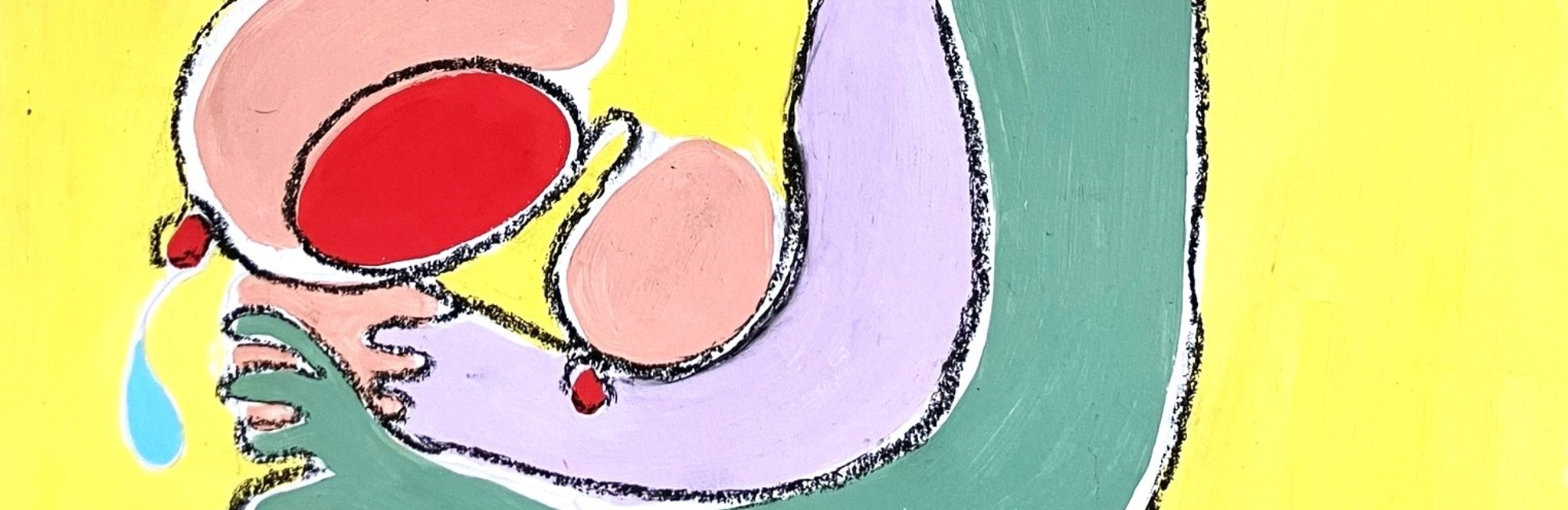
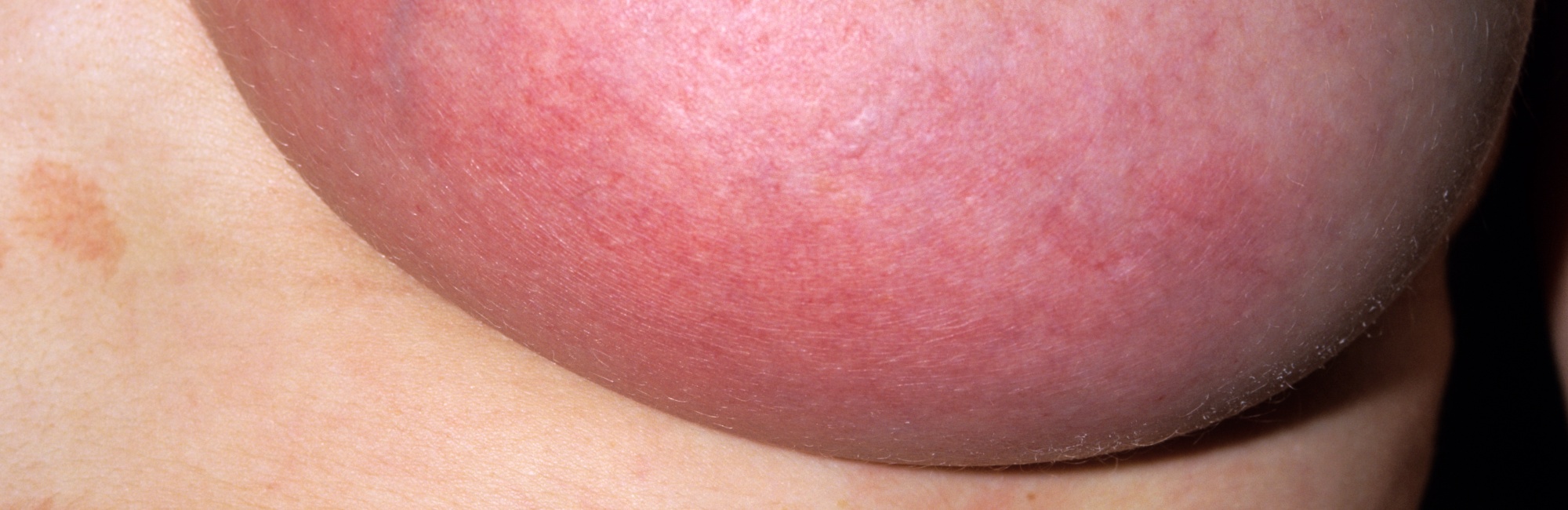
Breasts that make milk are lumpy. These lumps disappear after breastfeeds. If you have an inflamed breast lump, here are the seven things to do.

  1. Never try to massage or rub away a breast lump. Deeper massage bruises the sensitive, highly vascular tissues of a milk-making breast and worsens the lump. Light massaging up towards the armpit doesn't help drain away fluid, and might make inflammation worse for some women.

  2. Offer the affected side for a breastfeed as often as possible, without ever pressuring the baby. Let-down or milk ejection results in dilation of the milk ducts. Dilation of the milk ducts relieves inflammation.

  3. Frequent short breastfeeds are more effective than long less frequent breastfeeds for resolving a breast inflammation. This is because milk ejections occur more often with frequent short feeds than longer, less frequent feeds.

  4. Consider gentle hand expression milk from the inflamed breast if baby is not interested in feeding and more than a couple of hours have passed. You can see a video about how to hand express here.

  5. Fever is a sign that your body is revving up your immune system to help heal the inflammation. Anti-inflammatories or paracetamol don’t heal inflammation, so you don’t have to take them. Too much anti-inflammatory medication might weaken your body’s inflammation-fighting powers, though, so it’s best to use anti-inflammatories and paracetamol sparingly, just when you need them.

    • Anti-inflammatories effectively relieve muscle aches and breast pain, so you might take them at bedtime to help with sleep.

    • You might take them during the day sometimes for comfort.

  6. It might be a few days before the fevers settle, the lump shrinks, and you begin to feel better. If after a few days you are feeling worse, or the lump continues to enlarge or worsen, see your doctor. If you are worried about how sick you are feeling at any time, see your doctor.

  7. See your doctor if

    • A few days have passed and you are feeling worse

    • A few days have passed and the lump is continuing to enlarge or worsen

    • You are worried about how sick you are feeling at any time

    • A breast lump, whether painful or non-painful, persists for a week. Your doctor will usually talk with you about having an ultrasound to make sure there's no abscess. Also, breast cancer in a milk-making breast can spread fast. It’s vital to make sure any persistent lump is harmless (which it mostly is, just not always).

You can use an ice pack if you want to, but it doesn't help heal breast inflammation and is often more bother than it's worth. Cold causes milk ducts to narrow, at a time when you want your milk to flow as much as possible. If you decide to use an ice pack, make sure you don't apply any pressure over the area of inflammation, and that the ice isn't directly applied to the skin and breast so that it causes damage from freezing. Many women decide it's easier and more effective just to see if the baby wants to suckle for a minute.
Finished

share this article

Next up in The painful red lump

When might you need antibiotics for mastitis?

x

The decision to prescribe antibiotics needs to be made in consultation with your GP. This article does not substitute for assessment and treatment by your doctor when you have a breast inflammation.

Overuse of antibiotics for breast inflammation continues, despite the World Health Organisation’s urgent call for responsible antimicrobial stewardship. Antibiotic over-prescribing has been described as a tragedy of the commons, in which a shared resource is over-exploited by some, acting in their own interests, to the eventual detriment of all, due to the development of anti-microbial resistance.

Persistent signs and symptoms at the most severe end of the spectrum of breast inflammation may require antibiotics.

  • Although breast inflammation isn't viral, it can…

Keep reading
logo‑possums

Possums in your inbox

Evidence-based insights, tips, and tools. Occasional updates.

For parents

parents homebrowse all programsfind answers nowprograms in audiogroup sessions with dr pam

For professionals

possums for professionals
(the ndc institute)
guest speakers

About

the science behind possums/ndcwho we arendc research publicationsdr pam’s books

More resources

free resourcesdr pam’s blog

Clinical consultation

consult with dr pamfind a possums clinicfind an ndc accredited practitioner

Help & support

contact usfaqour social enterpriseprivacy policyterms & conditions

Social

instagramlinked infacebook

Possums acknowledges the traditional owners of the lands upon which The Possums Programs have been created, the Yuggera and Turrbal Peoples. We acknowledge that First Nations have breastfed, slept with, and lovingly raised their children on Australian lands for at least 65,000 years, to become the oldest continuous living culture on Earth. Possums stands with the Uluru Statement from the Heart.