How do you know if you have Insufficient Glandular Tissue of the breasts?

You are still able to breastfeed your baby when you have Insufficient Glandular Tissue (or IGT)
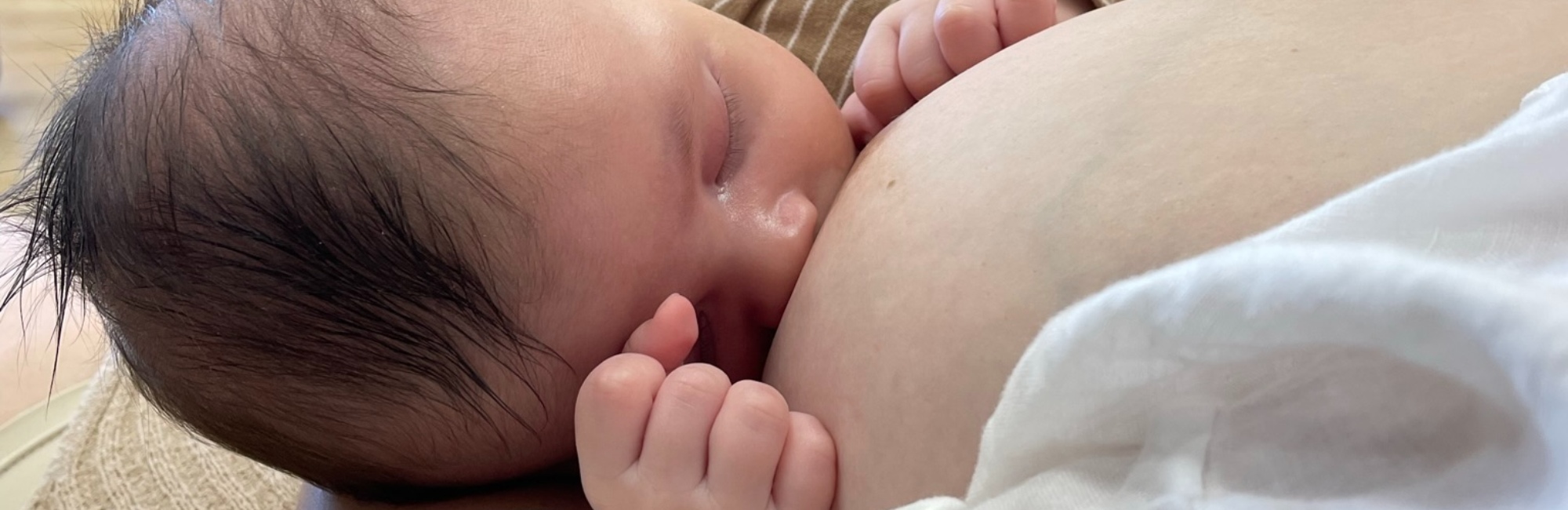
Even if you've been diagnosed with Insufficient Glandular Tissue (IGT), you're still able to breastfeed their baby, lavishing your baby with the miracle of your own milk's immune protection, bioactive ingredients, living cells, and also that deeply satisfying body-to-body sensory motor nourishment of baby snuggled up close and suckling.
Receiving a diagnosis of IGT, also sometimes referred to as mammary hypoplasia, is often deeply distressing for a woman who hoped to exclusively breastfeed. You can find out about the psychological impact of breastfeeding problems here, and about the experience of not being able to exclusively breastfeed here.
Yet even if you've been diagnosed with IGT, you're still able to
-
Breastfeed frequently and flexibly
-
Use your breasts to dial your baby down
-
Meet some or even a good part of your baby's milk needs from your own breasts
-
Breastfeed your baby to sleep
-
Breastfeed your baby whenever you want to.
Unfortunately, IGT is a diagnosis that can really only be made in hindsight, after time has passed and you've tried everything possible to build your supply, hopefully with the help of a breastfeeding support professional.
What are the anatomic and physiological features of IGT?
Rarely, a woman might have a combination of anatomic features which have been found to often accompany the diagnosis of Insufficient Glandular Tissue. In this case, one or both of your breasts might
-
Be quite cylindrial in shape
-
With wide spacing of more than four centimetres between the breasts
-
Very full and prominent areolas
-
Not have changed much at all during pregnancy
-
Not show signs of change and fullness in the week after your baby is born.
Even so, if your precious breasts and body have these particular features and you have an increased risk of having IGT, you'll almost always be able to produce milk.
It's also possible to have IGT when your breast don't have these kinds of features. Like many human conditions, IGT is likely to have various causes, not just genetic. It's still not well understood, and needs much more research.
IGT may be overdiagnosed
These days, in my experience, IGT is being overdiagnosed. This is because there remains a blind spot concerning the support of breastfeeding in our health systems, in particular concerning fit and hold and the need for frequent flexible breastfeeds.
Some health professionals might accidentally attribute your breasts' inability to produce enough milk to exclusively meet your baby's caloric needs to IGT, when in fact various things interacted together in the early days and weeks after your baby's birth to keep your milk production stuck on a lower setting than it otherwise would have been.
The problem with overdiagnosing IGT is that if you decide to have another baby, you might go forward wrongly believing that your breasts just don't have enough milk glands to meet your second baby's needs, when what you really require is skilful fit and hold help, and a good start with frequent flexible breastfeeds.
For another woman though, it can be a great relief to accept that she has IGT, because she has tried so hard without success to make enough milk to meet the whole of her baby's caloric needs. The diagnosis allows her to shift her own expectations away from exclusive breastfeeding to the enjoyment of breastfeeding, even as she also uses supplemental feeds.