Logo - The Possums baby and toddler sleep program.
parents home
librarybrowse all programsfind answers nowaudioprograms in audiogroup sessionsgroup sessions with dr pam
menu icon NDC Institute
possums for professionals
(the ndc institute)
menu icon eventsguest speakers
menu icon the sciencethe science behind possums/ndcmenu icon who we arewho we aremenu icon evidence basendc research publicationsmenu icon dr pam's booksdr pam's books
menu icon free resourcesfree resourcesmenu icon dr pam's blogdr pam's blog
menu icon consult with dr pamconsult with dr pammenu icon consult with dr pamfind a possums clinicmenu icon find a NDC accredited practitionerfind an ndc accredited practitioner
login-iconlogin

Welcome back!

Forgot password
get access
search

Search programs

PBL Foundations icon

PBL Foundations


  • What is engorgement and how does it dial down your milk production?
  • How to soften the areola if your breasts are engorged ('reverse pressure softening')
  • How to care for your breasts when they're engorged
  • What to do when you're feeling upset and overwhelmed by a hungry newborn and breast engorgement

Next article

Sign up now
  • PBL Foundations
  • S11: Lumps, engorgement, or pain in lactating breasts
  • CH 3: Engorgement

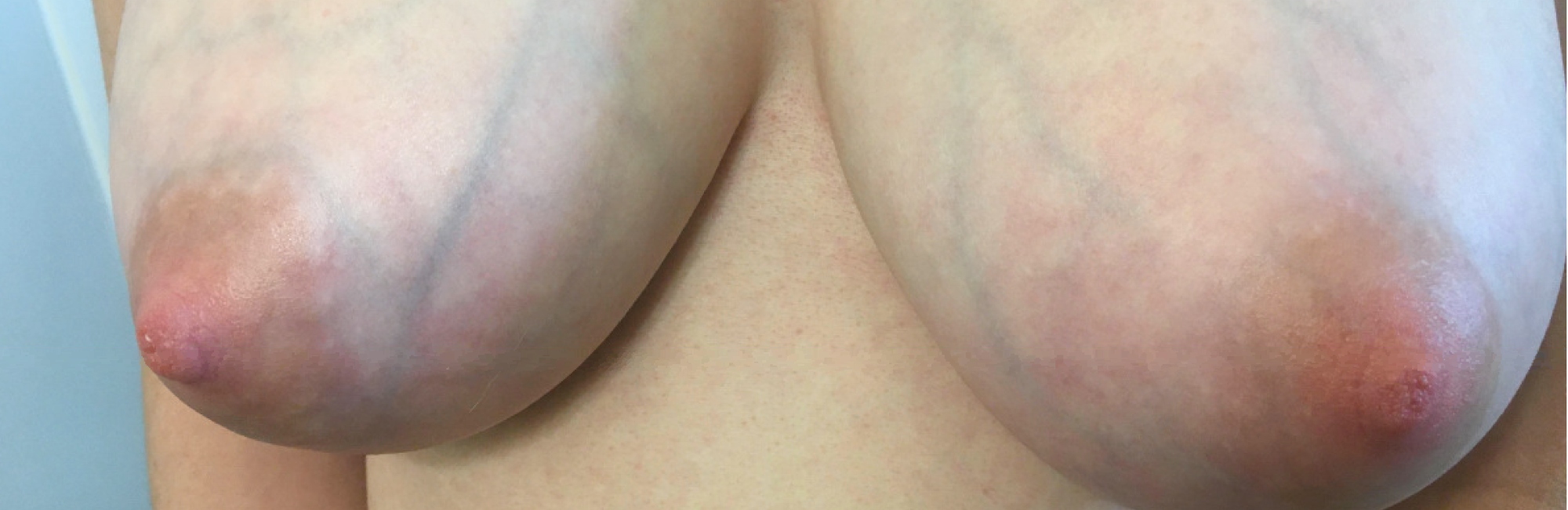
How to soften the areola if your breasts are engorged ('reverse pressure softening')
Dr Pamela Douglas6th of Oct 20242nd of Sep 2025

x

What if your breasts become engorged?

Your milk usuallly comes in three to five days after the birth. You can find out about this here.

Sometimes women think their milk hasn't come in because they are offering their breasts to baby so frequently that they don't have the experience of engorgement. But in fact, this is very good for their milk supply.

Engorgement is best avoided if you can, by feeding your baby frequently and flexibly from birth, because when breasts run full, feedback loops quickly tell your breasts they are generating too much milk, and your production settings drop.

But for other women, some engorgement becomes a necessary part of dialling down a generous supply which is more than their baby needs. We just need to manage the engorgement so that you're not in pain and so your supply doesn't plummet to become less than baby's needs!

You can find out about engorgement starting here.

It's useful to be able to hand express off some milk if you do become engorged and this seems to make it difficult for baby to come on, or if you're in pain with engorgement, and baby - for whatever reason - can't help you. Make sure that you've woken the baby up and had a go directly at the breast first, though! Undressing a sleeping newborn is a good way to rouse him.

You can find a demonstration of hand expressing here.

How to soften your areola or the breast tissue around your nipple if you're engorged

If your breasts and areolas become engorged, it's also helpful to know that you can use your fingertips or the pads of your fingers, placed around the nipple on the areola and pressing down. Holding them there for perhaps twenty seconds or so helps ease away puffy milk-tight tissue under the areola so that your baby comes on more easily. Move the finger pressure around the areola to cover the whole area.

Demonstrations of reverse pressure softening

  • Renee Keogh uses a knitted breast to demonstrate reverse pressure softening of the area around the nipple in the video below.
  • You can also see a demonstration by a breastfeeding mother in the video below. The lady in this demonstration video doesn't have severe engorgement or tight tissues around the nipple though.
Finished

share this article

Next up in Engorgement

How to care for your breasts when they're engorged

engorgement; breastfeeding; lactation; breast inflammation

What to do if you have engorgement

Here's what to do if your breasts are engorged.

  1. Offer your baby frequent flexible breastfeeds. You can find out about the importance of this here.

  2. Make sure there is no nipple and breast tissue drag when baby is feeding and ensure positional stability. You can find out about breast tissue drag starting here.

  3. Reverse pressure softening of the areola may help a baby who is having difficulty coming on due to engorgement. You can find out about reverse pressure softening, including a video demonstration, here.

  4. Hand expression of your milk…

Keep reading
logo‑possums

Possums in your inbox

Evidence-based insights, tips, and tools. Occasional updates.

For parents

parents homebrowse all programsfind answers nowprograms in audiogroup sessions with dr pam

For professionals

possums for professionals
(the ndc institute)
guest speakers

About

the science behind possums/ndcwho we arendc research publicationsdr pam’s books

More resources

free resourcesdr pam’s blog

Clinical consultation

consult with dr pamfind a possums clinicfind an ndc accredited practitioner

Help & support

contact usfaqour social enterpriseprivacy policyterms & conditions

Social

instagramlinked infacebook

Possums acknowledges the traditional owners of the lands upon which The Possums Programs have been created, the Yuggera and Turrbal Peoples. We acknowledge that First Nations have breastfed, slept with, and lovingly raised their children on Australian lands for at least 65,000 years, to become the oldest continuous living culture on Earth. Possums stands with the Uluru Statement from the Heart.