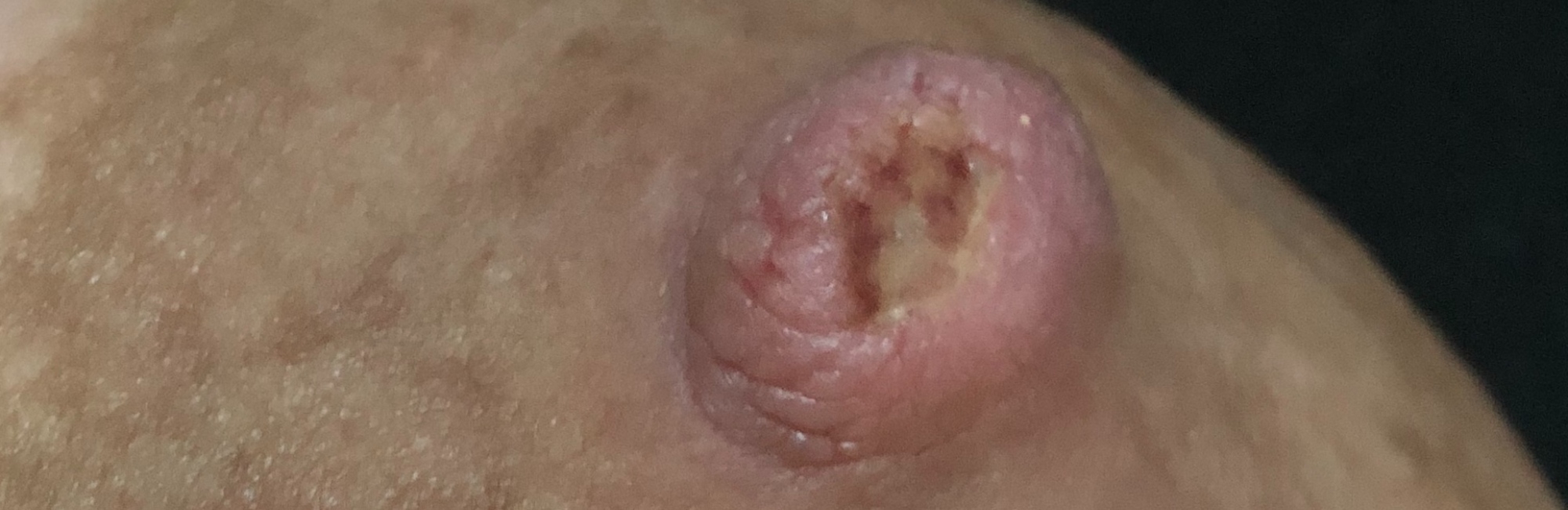
Research studies and systematic reviews show no convincing benefit for moist wounding healing of lactation-related nipple wounds
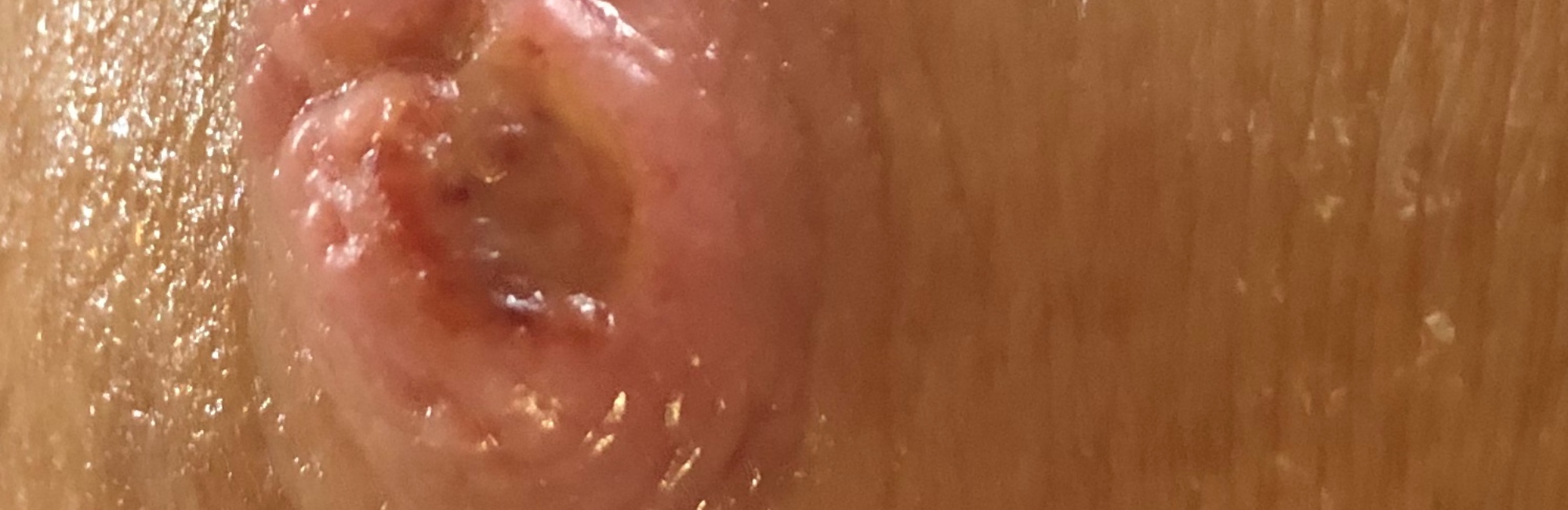
"Several reviews have reached the conclusion that most of the existing approaches to wound care are ineffective and some may even interfere with healing." Sams-Dodd 2018
"In addition to being beneficial for the wound, avoiding the pain and trauma involved in each dressing change is also an eco-responsible strategy." Conde-Montero et al 2024
Prior to 2024
Here is a review of the studies which have been conducted into the efficacy of moist wound healing for nipple damage.
-
In 1997, Cable et al, from the US, proposed that moist wound healing in the form of hydrogel dressings should be applied to all breastfeeding-damaged nipples, stating (without data) that several hundred women with nipple damage in the authors’ practice reported pain relief with hydrogel sheets. 8 From this year onwards, moist wound healing became increasingly popular in the treatment of breastfeeding women with nipple pain and damage.
-
In 1998, a small US trial in which 42 women with bleeding and cracked nipples were randomised for treatment either with lanolin and breast shells or hydrogel was discontinued early, because a third in the hydrogel group developed infection. Women in the lanolin group reported less pain.9
-
A 2003 US study randomised 106 mothers to hydrogel dressings or lanolin ointment between feeds with the aim of preventing nipple pain and damage from the first 24 hours after birth. The study was funded by the manufacturer of the hydrogel dressings, and the researchers weren’t blinded. Women reported a lower pain score on days 10 and 12 in the hydrogel group, and the lanolin group developed more breast infections. But there was no comparison of the amount of nipple damage women experienced, and no report on breastfeeding outcomes.10
-
A 2005 Iranian study randomised 63 women with nipple fissures to either lanolin three times daily, breastmilk after each feed, or no treatment. There was no difference in healing time between the breast milk and no-treatment groups, and the nipples of women using lanolin took significantly longer to heal.11
-
A 2010 German RCT of 84 lactating mothers with painful and damaged nipples, who had significantly reduced pain with breastfeeding and significantly higher healing rates of nipple trauma within 3 days of commencing lanolin treatment, with effects still evident at 14 days.16
-
A 2014 systematic review by Dennis et al investigating interventions for nipple pain concluded that use of hydrogel, lanolin, or all-purpose nipple ointment did not improve maternal perceptions of pain, and that application of expressed breast milk or no treatment may be equally or more beneficial than application of an ointment such as lanolin.12
-
In 2014, Sasaki et al retrospectively analysed 131 records from an IBCLC’s practice. Substantially more women in the group who used lanolin developed nipple and areolar erythema with severe pain (burning, stabbing, between feedings), and/or severe breast pain with a fever and malaise.13 In 2017, Jackson et al published a Canadian study which randomised 186 breastfeeding women with nipple pain to lanolin or usual care. Lanoline did not alter the levels of pain experienced by day 7 or breastfeeding duration.14
-
In 2018, Neto et al randomised 180 Brazilian women with pain associated with nipple trauma to use of either lanolin or expressed breast milk. Lanolin was associated with less nipple pain and damage at 49 hours after treatment commenced, with the effect persisting for up to 7 days.15
-
In 2020, 1,084 women in the UK who had given birth to their youngest child within the last 24 months and had recently completed their breastfeeding journey were surveyed online by a manufacturer of purified lanolin. Seven hundred and thirty-nine women (68%) reported they had experienced physical problems relating to breastfeeding. Of these, 554 (75%) experienced general nipple tenderness or soreness. One hundred and seventy-one used lanolin as their primary intervention, and were able to breastfeed an additional 7.3 weeks on average compared to those who did not (33.5 weeks compared to 26.2 weeks). However, this study had multiple methodological weaknesses, including that factors other than lanolin may have increased the duration of breastfeeding.17
After 2024
Savas et al 2024
A 2024 systematic review by Savas et al investigated the effects of natural products compared to breast milk in preventing and treating nipple trauma and pain in lactating women. Ten experimental studies were selected including six RCTs, and the authors found a significant effect of natural product intervention generally on nipple trauma and pain levels. However, the evidence was either low or medium in quality, and it was not possible to distinguish between the various natural products to determine relative effectiveness. The authors acknowledge that very heterogenous followup measures introduced bias.This systematic review doesn't help guide clinicians.
Nozimotor et al 2024
A 2024 systematic review by Nozimotor et al investigated non-pharmacological interventions for lactation-related nipple pain and damage selected 19 RCTS. This is a reliably conducted systematic review.
-
This study found very low certainty of evidence regarding the effects of topical cream, ointment, breast milk, balm (e.g., lanolin, aloe vera), physical agents (e.g., photobiomodulation), compresses with breast milk, and dressings (e.g., hydrogels).
-
The authors reported that lanolin-based cream was one of the most reported interventions, assessed by seven randomised controlled trials. There were uncertainties about the efficacy of this intervention versus breast milk in reducing pain and promoting healing of nipple cracks after seven days of treatment, and the body of evidence supporting lanolin use was graded as very low.
-
There was little to no difference when comparing lanolin to hydrogel dressings.
-
The results from RCTs which compared different interventions versus breast milk or no treatment, including compresses (Achillea millefolium, menthol essence) or aloe vera gel or Saqez or Zizyphus ointment, showed that all of these alternatives of treatment do not differ from the use of breast milk in relieving pain after 14 days.
Nakamura et al 2025
The protocol for this systematic review into the efficacy of moisturizing therapies in treating nipple trauma and nipple pain was published prior to its conduct, which is good practice.
In order to interpret this systematic review and its implications for clinical practice and the NDC guidelines, it's important to bear in mind that moist wound healing has been compared to dry dressing wound healing (in a range of studies with highly variable designs and outcomes, difficult to compare), which is quite different to avoiding moist wound healing but also protecting the wound from sticking in the bra or onto clothing.
24 studies were analysed, with interventions categorized as high, moderate, or low based on moisturisation levels. The authors note that "intervention and effectiveness evaluation methods differed between studies and could not be compared. ...Methodological challenges and the lack of robust trials hinder evidence synthesis and robust conclusions."
They report their results as follows:
"Moisturizing interventions indicate potential effectiveness in addressing nipple trauma and nipple pain when compared to situations with no moisturization. Continuous physical moisturization of nipples should be approached cautiously due to limited rigorous randomized controlled trials and reported adverse events."
These findings corroborate the NDC clinical guidelines for nipple pain and damage, which recommends
-
Judicious use of moist methods to protect the nipple - that is, to prevent nipple wounds sticking to the bra pad, which is likely to worsen injury. Using an NDC lens, complete avoidance of nipple protection (which was presumably the case in the 'no moisturisation' components of studies analysed in Nakamura et al 2025) places nipple wounds at risk of worsened damage. This is quite different to the belief that moist wound healing actively benefits nipple wounds.
-
Breastfeeding women should be educated about the risks of overhydration, to know how to look out for overhydration, and should be supported to avoid hydrating treatments as much as possible. Since in the NDC approach, breastfeeding women are encouraged to enjoy days outside the home as much as possible, air exposure of the nipples, without a bra, is particularly important at night-time.
In summary, the research does not support manufacturer’s claims of healing benefits of lanolin or hydrogel sheets for nipple damage. You can find the NDC Clinical Guidlines for management of nipple wound healing here.
Recommended resources
Interventions which don't help lactation-related nipple pain and wounds
Selected references
Douglas PS. Re-thinking lactation-related nipple pain and damage. Women's Health. 2022;18:17455057221087865.
Liu X, Cleary J, German GK. The global mechanical properties and multi-scale failure mechanics of heterogeneous human stratum corneum. Acta Biometerialia 2016;43:78-87.
Conde-Montero E, Moreau A, Schlager JG, Pastor D, Hafner J. Protocols in wound healing: evidence-based or mere rituals? International Wound Journal. 2024;21:e70062.https://doi.org/70010.71111/iwj.70062.
Nakamura M, Luo Y, Ebina Y. Effectiveness of moisturing therapy in treating nipple trauma: a systematic review protocol. BMJ Open. 2024;14:e083389. doi:083310.081136/bmjopen-082023-083389.
Nakamura M, Luo Y, Ebina Y. Systematic review on the efficacy of moisturizing therapy in treating nipple trauma and pain. Journal of Human Lactation. 2025;41(1):39-53.
Nozimotor IN, Da Silva BA, Bandeira MD. Nonpharmacological interventions for treating breastfeeding nipple pain: systematic review and meta-analysis. Breastfeeding Medicine. 2024;19(8):DOI: 10.1089/bfm.2024.0043.
Nguyen JK, Huang A, Siegel DM, Jagdeo J. Variability in wound care recommendations following dermatologic procedures. Dermatologic Surgery. 2020;46(2):186-191.
Sams-Dodd J, Sams-Dodd F. Time to abandon antimicrobial approaches in wound healing: a paradigm shift. Wounds: a compendium of clinical research and practice. 2018;30(11):345-352.
Savas EH, Tumkaya MN, Semerci R, Eroglu K. Comparison of the effect of natural products and breast milk for preventing and treating nipple trauma and pain in lactating women: a systematic review and meta-analysis. Explore. 2024;20:103019.
Other references
- Whitehead F, Giampieri S, Graham T, et al. Identifying, managing and preventing skin maceration: a rapid review of the clinical evidence. Journal of Wound Care 2017;26(4):159-65.
- Drago F, Gariazzo L, Cioni M. The microbiome and its relevance in complex wounds. European Journal of Dermatology 2019;29(1):6-13.
- Rippon MG, Ousey K, Cutting KF. Wound healing and hyper-hydration: a counterintuitive model. Journal of Wound Care 2016;25(2):68-75.
- Oousey K, Cutting K, Rogers AA. The importance of hydration in wound healing: reinvigorating the clinical perspective. Journal of Wound Care 2016;25(3):122-30.
- Winter G. Formation of the scab and the rate of epithelization of superficial wounds in the skin of the young domestic pig. Nature 1962;193:293-94.
- Park E, Long SA, Seth AK, et al. The use of desiccation to treat Staphylococcus aureus biofilm-infected wounds. Wound Repair and Regeneration 2016;24:394-401.
- Taudorf EH, Jemec GBE, Hay RJ, et al. Cutaneous candidiasis - an evidence-based review of topical and systemic treatments to inform clinical practice. Journal of European Academy of Dermatology and Venereology 2019;33:1863-73.
- Cable B, Stewart M, Davis J. Nipple wound care: a new approach to an old problem. Journal of Human Lactation 1997;13(4):313-18.
- Brent N, Rudy SR, Redd B, et al. Sore nipples in breast-feeding women: a clinical trial of wound dressings vs conventional care. Archives of Pediatric and Adolescent Medicine 1998;152(11):1077-82.
- Dodd V, Chalmers C. Comparing the use of hydrogel dressings to lanolin ointment with lactating mothers. Journal of Obstetric, Gynecologic, and Neonatal Nursing 2003;32(4):486-94.
- Mohammadzadeh A, Farhat A, Esmaeily H. The effect of breast milk and lanolin on sore nipples. Saudi Medical Journal 2005;26(8):1231-34.
- Dennis C, Jackson K, Watson J. Interventions for treating painful nipples among breastfeeding women. Cochrane Database of Systematic Reviews 2014(12):doi:101.1002/14651858.CD007366.pub2.
- Sasaki BC, Pinkerton K, Leipelt A. Does lanolin use increase the risk of infection in breastfeeding women? Clinical Lactation 2014;5(1):28-32.
- Jackson KT, Dennis C-L. Lanolin for the treatment of nipple pain in breastfeeding women: a randomized controlled trial. Maternal and Child Nutrition 2017;13(3):e12357.
- Neto CM, De Albuquerque RS, De Souza SC, et al. Comparative study of the use of HPA lanolin and breast milk for treating pain associated with nipple trauma. Rev Bras Ginecol Obstet 2018;40(11):664-72.
- Abou-Dakn M, Fluhr JW, Gensch M, et al. Positive effect of HPA lanolin versus expressed breastmilk on painful and damaged nipples during lactation. Skin Pharmacol Physiol 2010;2011(24):27-35.
- Bourdillon K, McCausland T, Jones S. Latch-related nipple pain in breastfeeding women: the impact on breastfeeding outcomes. British Journal of Midwifery 2020;28(7):406-14.