Logo - The Possums baby and toddler sleep program.
parents home
librarybrowse all programsfind answers nowaudioprograms in audiogroup sessionsgroup sessions with dr pam
menu icon NDC Institute
possums for professionals
(the ndc institute)
menu icon eventsguest speakers
menu icon the sciencethe science behind possums/ndcmenu icon who we arewho we aremenu icon evidence basendc research publicationsmenu icon dr pam's booksdr pam's books
menu icon free resourcesfree resourcesmenu icon dr pam's blogdr pam's blog
menu icon consult with dr pamconsult with dr pammenu icon consult with dr pamfind a possums clinicmenu icon find a NDC accredited practitionerfind an ndc accredited practitioner
login-iconlogin

Welcome back!

Forgot password
get access
search

Search programs

PBL Advanced icon

PBL Advanced


  • The NDC Clinical Guidelines for lactation-related nipple wounds align with international paradigm shifts in wound care, including minimised antimicrobial use
  • When do moist applications help with nipple pain and damage and what is moisture associated skin damage?
  • Why moist wound healing is likely to increase the risk of nipple epithelium pain, inflammation and damage during breastfeeding
  • Research studies and systematic reviews show no convincing benefit for moist wounding healing of lactation-related nipple wounds
  • Why it makes biological sense to let a scab facilitate the healing of an acute wound in otherwise healthy skin
  • Research showing benefits of moist wound healing for chronic ulcers and burns doesn't translate into evidence-based management of nipple wounds
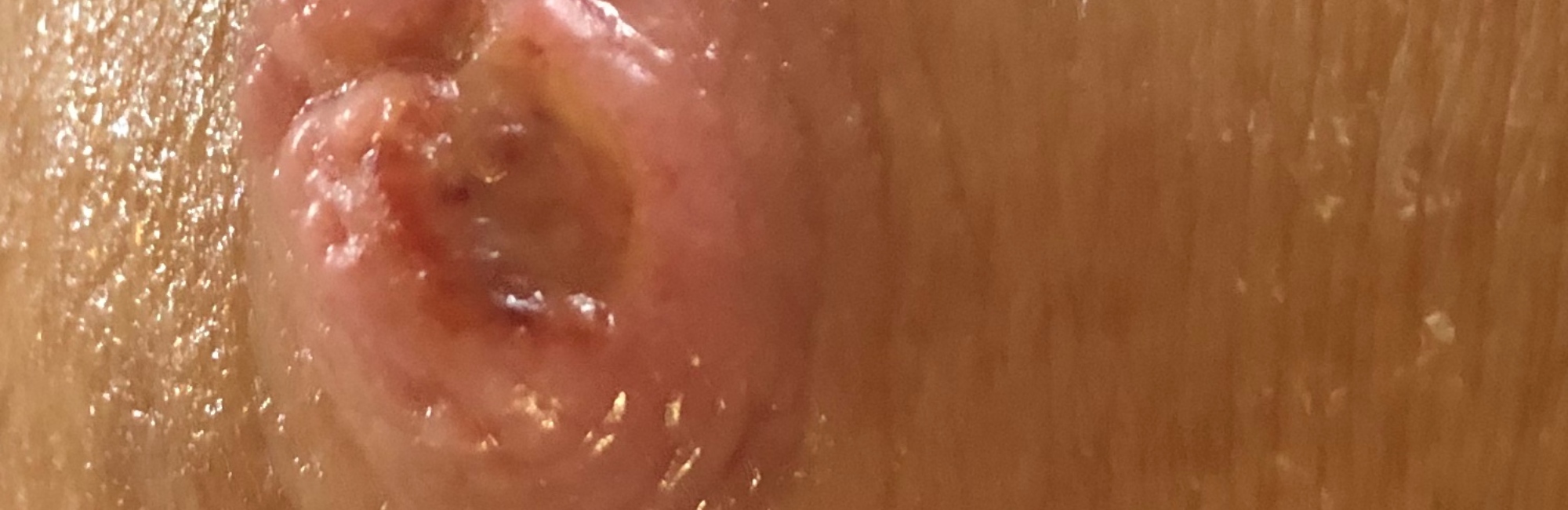
  • Continually re-applying a moist or polymeric membrane dressing to a nipple wound so that a scab never forms is not evidence-based practice

Next article

Sign up now
  • PBL Advanced
  • S6: Lactation-related nipple pain + wounds
  • CH 3: Overhydration of the nipple epidermis risks worsened mechanical damage + polymeric membrane wound applications risk worsened pain

Research showing benefits of moist wound healing for chronic ulcers and burns doesn't translate into evidence-based management of nipple wounds

Dr Pamela Douglas18th of Oct 202523rd of Dec 2025

x

Wound healing protocols are often based on beliefs not evidence

Some international voices within dermatology research continue to point out that many wound healing protocols are rituals, based on beliefs, and not genuinely evidence based.

Optimal wound healing occurs when

  1. Factors that facilitate the process are present, and

  2. Impediments are controlled or absent.

This table shows why wound healing orthodoxy is not applicable to the specialised microenvironment of the lactation-related nipple wound.

Wound healing orthodoxy doesn't suit the specialised microenvironment of nipple wounds

Beliefs about necessary steps in best practice wound healing Evidence-based concerns Relelvance to clinical breastfeeding and lactation support
Wound cleansing Various cleansing techniques continue to be investigated in chronic wound research. There is no evidence that all wounds need cleansing. Cleansing could be detrimental to healing tissues Instructions to avoid nipple scabbing so that the wound can be cleaned and treated with moist wound dressings (even cut out to size) is widespread.
Debridement It is not proven that debridement accelerates tissue healing in cchronic wounds (except in certain recalciitrant sloughy wounds, which are rare). Debridement can worsen pain. Slough and exudate has cells, functional proteins and growth hormones which promote healing. Fitting a wound-sized polymeric membrane dressing to a nipple ulcer means effectively debriding that ulcer many times a day, as the dressing is removed to breastfeed (if the woman is continuing to breastfeed). This does not help, and is likely to delay, wound healing.
Frequent dressing changes may delay complete epithelialization Any manipulation of the wound bed impacts cells, growth factors, and the microbiome which are promoting wound closure, and may induce inflammation which could impede wound healing. Interactions in microbiome and multiple cell types involved in cutaneous wound healing regulates the immune response and promotes barrier restoration. Best not to interfere with the biological microenvironment of scab development and frequent washing with breast milk and saliva in the infants mouth, which favours healing as long as the underlying cause of damage (repetitive mechanical microtrauma) is removed.
There is a difference between 'toxic' wounds (high protease levels) and 'physiological' wounds 'Toxic' wound fluid should be cleansed and the wound debrided, but not those with a physiological wound fluid. Nipple wounds during breastfeeding are not 'toxic' chronic wounds, like diabetic or vascular ulcers, nor are they like burns.

Recommended resources

Why moist wound healing is likely to increase the risk of nipple epithelium pain, inflammation and damage during breastfeeding

The NDC Clinical Guidelines for lactation-related nipple wounds align with international paradigm shifts in wound care, including minimised antimicrobial use

Research studies and systematic reviews show no convincing benefit for moist wounding healing of lactation-related nipple wounds

Why it makes biological sense to let a scab facilitate the healing of an acute wound in otherwise healthy skin

When do moist applications help with nipple pain and damage and what is moisture associated skin damage?

Continually re-applying a moist or polymeric membrane dressing to a nipple wound so that a scab never forms is not evidence-based practice

Interventions which don't help lactation-related nipple pain and wounds

Selected references

  1. Conde-Montero E, Moreau A, Schlager JG, Pastor D, Hafner J. Protocols in wound healing: evidence-based or mere rituals? International Wound Journal. 2024;21:e70062.https://doi.org/70010.71111/iwj.70062.

  2. Khattak S, Ullah I, Yousaf M. Advancements in hydrogels: a comprehensive review of natural, synthetic, and hybrid innovations for wound healing. International Journal of Biological Macromolecules. 2025;327:147270.

  3. Sams-Dodd J, Sams-Dodd F. Time to abandon antimicrobial approaches in wound healing: a paradigm shift. Wounds: a compendium of clinical research and practice. 2018;30(11):345-352.

  4. RETRACTION: Impact of Moist Wound Dressing on Wound Healing Time: A Meta-Analysis. Int Wound J. 2025 Apr;22(4):e70566. doi: 10.1111/iwj.70566. PMID: 40251140; PMCID: PMC12008009.

Finished

share this article

Next up in Overhydration of the nipple epidermis risks worsened mechanical damage + polymeric membrane wound applications risk worsened pain

Continually re-applying a moist or polymeric membrane dressing to a nipple wound so that a scab never forms is not evidence-based practice

x

The use of polymeric membrane dressings and similar technologies have been demonstrated to improve outcomes for burns and chronic ulcers

There is a race amongst biotech manufacturers to create wound dressings which increasingly mimic the properties of a healthy skin wound healing process. This research targets burns, and chronic wounds such as diabetic ulcers, pressure sores, and venous leg ulcers - conditions characterised by chronic inflammation, infection, and poor tissue regeneration.

Advanced wound care research focuses on

  • Engineered tissue scaffolds, as close to the original extracellular matrix as possible, which aim to provide a porous and localised bioactive environment for the healing of damaged tissues.

  • Composite materials which combine beneficial properties of both…

Keep reading
logo‑possums

Possums in your inbox

Evidence-based insights, tips, and tools. Occasional updates.

For parents

parents homebrowse all programsfind answers nowprograms in audiogroup sessions with dr pam

For professionals

possums for professionals
(the ndc institute)
guest speakers

About

the science behind possums/ndcwho we arendc research publicationsdr pam’s books

More resources

free resourcesdr pam’s blog

Clinical consultation

consult with dr pamfind a possums clinicfind an ndc accredited practitioner

Help & support

contact usfaqour social enterpriseprivacy policyterms & conditions

Social

instagramlinked infacebook

Possums acknowledges the traditional owners of the lands upon which The Possums Programs have been created, the Yuggera and Turrbal Peoples. We acknowledge that First Nations have breastfed, slept with, and lovingly raised their children on Australian lands for at least 65,000 years, to become the oldest continuous living culture on Earth. Possums stands with the Uluru Statement from the Heart.