Logo - The Possums baby and toddler sleep program.
parents home
librarybrowse all programsfind answers nowaudioprograms in audiogroup sessionsgroup sessions with dr pam
menu icon NDC Institute
possums for professionals
(the ndc institute)
menu icon eventsguest speakers
menu icon the sciencethe science behind possums/ndcmenu icon who we arewho we aremenu icon evidence basendc research publicationsmenu icon dr pam's booksdr pam's books
menu icon free resourcesfree resourcesmenu icon dr pam's blogdr pam's blog
menu icon consult with dr pamconsult with dr pammenu icon consult with dr pamfind a possums clinicmenu icon find a NDC accredited practitionerfind an ndc accredited practitioner
login-iconlogin

Welcome back!

Forgot password
get access
search

Search programs

Possums Baby Sleep 101 icon

Possums Baby Sleep 101


  • Introduction to this brief & simple section of The Possums Baby Sleep Program
  • Key things to know about babies' sleep
  • The dial on your baby's nervous system
  • Babies' sleep needs
  • Differences in babies' sleep
  • Normal baby night waking
  • Night waking in babies - how much is too much?
  • Babies' body clock
  • Babies' sleep pressure
  • Babies need sensory nourishment
  • Babies' bedtime
  • Feeds and cuddles help babies sleep
  • Babies and sleep safety
  • Key steps to help with babies' sleep
  • Set a regular wake-up time for your baby
  • Baby sleep superpower #1: milk = sleep
  • Baby sleep superpower #2: rich stimulation = sleep
  • Let your baby nap on the go
  • Active evenings help babies' night sleep

Next article

Sign up now
  • Possums Baby Sleep 101
  • S1: Possums baby sleep 101 (brief & simple)

Differences in babies' sleep

Dr Pamela Douglas9th of Jul 20237th of Nov 2025

baby happily sleeping on back in blue striped pajamas

This page is part of a collection of short articles called Brief & simple, which together make up a quick summary of The Possums Sleep Program in plain language. For comprehensive information and support, please go to The essentials section of The Possums Sleep Program, and begin to work your way through the program's online text and videos.

Some babies need a lot of sleep. But only nine hours sleep total in 24 hours is normal for other babies, even as newborns. And the amount of sleep your baby needs decreases throughout the first year of your baby's life.

Don't worry about 'wake windows', or advice to 'catch the first tired signs' or 'make sure your baby doesn't stay awake too long' - these ideas can be very unhelpful! Your baby's sleep needs are unique and tend to change a lot.

It's important to know how much baby sleep needs vary, because often we expect our baby to be asleep for longer than they need - which can cause them to wake excessively at night. Too much sleep during the day eventually disrupts your baby's body clock and sleep patterns down the track.

Acknowledgements

I'm grateful to Professor Sophie Havighurst, Ros June, and Caroline Ma at Mindful, The University of Melbourne, for their feedback on the articles in the Brief & simple section of The Possums Sleep Program. They helped to keep the language plain and the concepts as accessible as possible. For comprehensive information and support, please go to The essentials section of The Possums Sleep Program, and begin to work your way through the program's online text and videos.

Recommended resources

Baby sleep needs are highy variable and decrease throughout the first year of life

How much daytime sleep does your baby need?

What's the difference between normal and excessive night waking in babies?
Finished

share this article

Next up in Possums baby sleep 101 (brief & simple)

Normal baby night waking

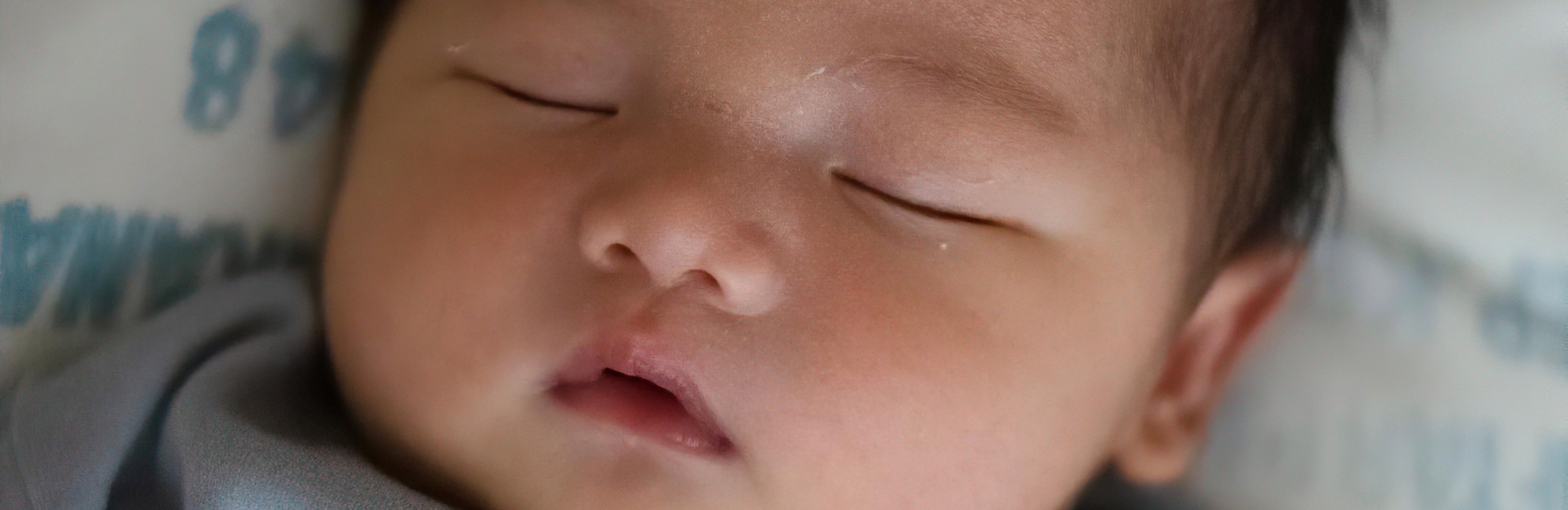
asian baby sleeping restfully

This page is part of a collection of short articles called Brief & simple, which together make up a quick summary of The Possums Sleep Program in plain language. For comprehensive information and support, please go to The essentials section of The Possums Sleep Program, and begin to work your way through the program's online text and videos.

Normally, babies wake a few times during the night, right into toddlerhood. What matters is that everyone gets back to sleep quickly after baby is fed.

Don't feel you have to burp, or hold baby upright after feeds, or

Keep reading
logo‑possums

Possums in your inbox

Evidence-based insights, tips, and tools. Occasional updates.

For parents

parents homebrowse all programsfind answers nowprograms in audiogroup sessions with dr pam

For professionals

possums for professionals
(the ndc institute)
guest speakers

About

the science behind possums/ndcwho we arendc research publicationsdr pam’s books

More resources

free resourcesdr pam’s blog

Clinical consultation

consult with dr pamfind a possums clinicfind an ndc accredited practitioner

Help & support

contact usfaqour social enterpriseprivacy policyterms & conditions

Social

instagramlinked infacebook

Possums acknowledges the traditional owners of the lands upon which The Possums Programs have been created, the Yuggera and Turrbal Peoples. We acknowledge that First Nations have breastfed, slept with, and lovingly raised their children on Australian lands for at least 65,000 years, to become the oldest continuous living culture on Earth. Possums stands with the Uluru Statement from the Heart.