Logo - The Possums baby and toddler sleep program.
parents home
librarybrowse all programsfind answers nowaudioprograms in audiogroup sessionsgroup sessions with dr pam
menu icon NDC Institute
possums for professionals
(the ndc institute)
menu icon eventsguest speakers
menu icon the sciencethe science behind possums/ndcmenu icon who we arewho we aremenu icon evidence basendc research publicationsmenu icon dr pam's booksdr pam's books
menu icon free resourcesfree resourcesmenu icon dr pam's blogdr pam's blog
menu icon consult with dr pamconsult with dr pammenu icon consult with dr pamfind a possums clinicmenu icon find a NDC accredited practitionerfind an ndc accredited practitioner
login-iconlogin

Welcome back!

Forgot password
get access
search

Search programs

When Baby Cries a Lot icon

When Baby Cries a Lot


  • Things to know up front if your baby cries and fusses a lot
  • The dial on your baby's nervous system
  • Why do young babies cry a lot in the first months of life?
  • What is conditioned dialling up in the first 16 weeks of life?
  • The Possums 5-domain approach to helping a baby who cries a lot
  • Your two tools for dialling baby down
  • Why responding to your baby matters
  • You know your baby best (even if it doesn't feel like it!)
  • About The Discontented Little Baby Book - hardcopy, audiobook, translations

Next article

Sign up now
  • When Baby Cries a Lot
  • S1: The baby who cries a lot in the first 3-4 months of life: Possums 5-domain approach

The dial on your baby's nervous system
Dr Pamela Douglas21st of Sep 20232nd of Jan 2026

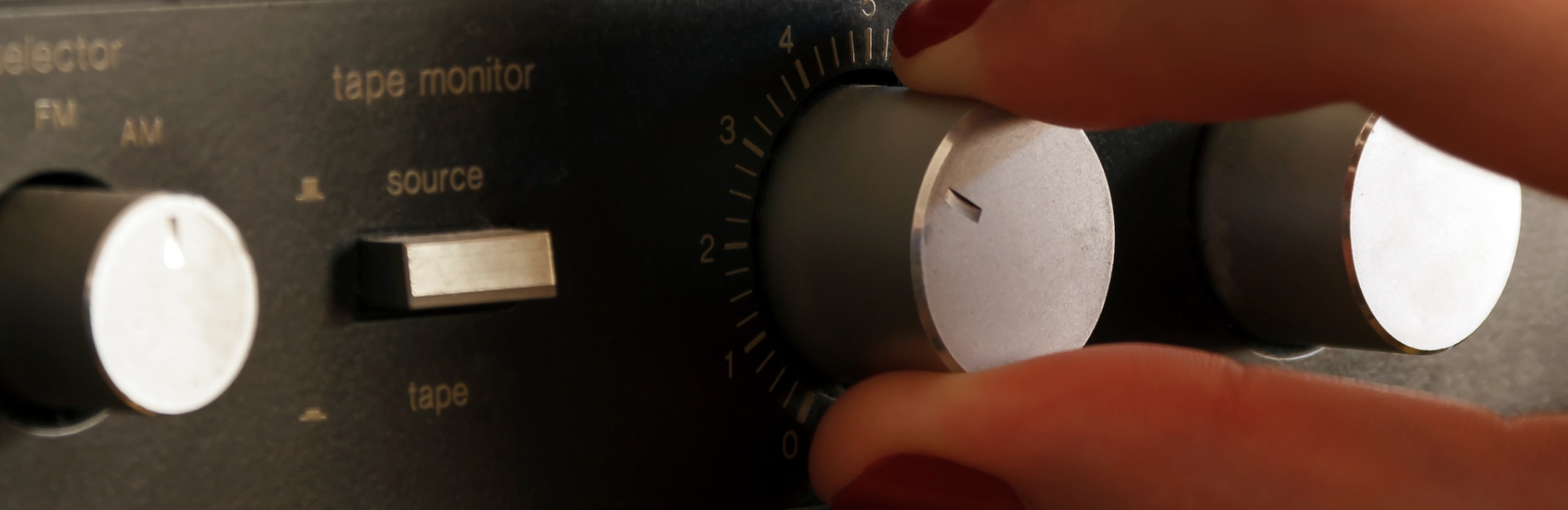
dial on a device

If your baby cries a lot, it is important that you have your baby assessed by your local GP, to rule out a medical condition. This page belongs to collection of short articles and videos in plain language, called When baby cries a lot. Together, these articles and videos will give you a brief and simple summary of the Possums 5-domain approach to the crying baby in the first 16 weeks of life. For comprehensive information on this topic, please go deeper into the Possums programs, or you might consider reading The discontented little baby book.

I’d like to share an important idea with you. This is the idea of the dial on your baby's sympathetic nervous system, which acts in their brain and body.

  • The dial is like the volume control in your baby.

  • The sympathetic nervous system is the ‘on button’ in your baby’s brain and body. It switches on when your baby has physical or safety needs.

All the latest brain science tells us that responsive parenting is best for your baby’s development. Your responses help your baby keep the dial turned down on the sympathetic nervous system.

mother responding to baby with smile and eye contact

Babies dial up to communicate to us, whether it's because they are hungry, or needing a change of what is around them, or wanting to be held. Babies communicates their needs through signs or cues. This includes their body movements, the expressions on their face or the noises they make. This is how they tell you that they need something.

  • When your baby dials up, they might start groaning and grunting and stretching.

  • As the dial turns up more, your baby might start grizzling and fussing.

  • When your baby cries, the dial on the sympathetic nervous system is turned up quite high.

  • When baby is screaming (oh how upsetting that is for parents!) your baby’s dial is turned up as high as it can possibly be!

It is helpful for your baby if you can respond to their communication or cues before they get really dialled up. Responding keeps their sensitive little sympathetic nervous system as dialled down as possible. It’s also true that sometimes babies will cry despite our best efforts, especially when they are very young.

Our aim as parents or carers is to keep the little one as dialled down as much as we can – even though we can’t always respond immediately, especially if we have an older child to care for, and even though responding doesn’t always work to dial the baby down.

Acknowledgements

I'm grateful to Professor Sophie Havighurst, Ros June, and Caroline Ma at Mindful, The University of Melbourne, for their feedback on the articles in the Brief & simple section of The Possums Sleep Program. They helped me keep the language plain and the concepts as accessible as possible.

Recommended resources

What is meant by the dial on your baby's sympathetic nervous system?

Why responding to your baby matters

Selected references

Douglas PS. Pre-emptive intervention for Autism Spectrum Disorder: theoretical foundations and clinical translation. Frontiers in Integrative Neuroscience. 2019;13(66):doi.org/10.3389/fnint.2019.00066.

Douglas P, Miller Y, Bucetti A, Hill PS, Creedy D. Preliminary evaluation of a primary care intervention for cry-fuss behaviours in the first three to four months of life ("The Possums Approach"): effects on cry-fuss behaviours and maternal mood. Australian Journal of Primary Health. 2013; 18:332-338.

Douglas P. Diagnosing gastro-oesophageal reflux disease or lactose intolerance in babies who cry alot in the first few months overlooks feeding problems. J Paediatr Child Health. 2013;49(4):e252-e256.

Douglas PS, Hill PS. A neurobiological model for cry-fuss problems in the first three to four months of life. Med Hypotheses. 2013;81:816-822.

Douglas P, Mares R, Hill P. Interdisciplinary perspectives on the management of the unsettled baby: key strategies for improved outcomes. Australian Journal of Primary Health. 2012;18:332-338.

Douglas PS, Hill PS. The crying baby: what approach? Curr Opin Pediatr. 2011;23:523-529.

Douglas P, Hill P. Managing infants who cry excessively in the first few months of life. BMJ. 2011;343:d7772.

Douglas PS, Hill PS, Brodribb W. The unsettled baby: how complexity science helps. Arch Dis Child. 2011;96:793-797.

Douglas P, Hiscock H. The unsettled baby: crying out for an integrated, multidisciplinary, primary care intervention. Med J Aust. 2010;193:533-536.

Douglas PS. Crying Baby. Hecate. 2007;33(2):74-75.

Douglas PS. Excessive crying and gastro-oesophageal reflux disease in infants: misalignment of biology and culture. Med Hypotheses. 2005;64:887-898.

Finished

share this article

Next up in The baby who cries a lot in the first 3-4 months of life: Possums 5-domain approach

Why do young babies cry a lot in the first months of life?

baby crying as mother holds them up

If your baby cries a lot, it is important that you have your baby assessed by your local GP, to rule out a medical condition. This page belongs to collection of short articles and videos in plain language, called When baby cries a lot. Together, these articles and videos will give you a brief and simple summary of the Possums 5-domain approach to the crying baby in the first 16 weeks of life. For comprehensive information on this topic, please go deeper into the Possums programs, or you might consider reading The discontented little baby book.

Many babies cry a lot in the first four months of their…

Keep reading
logo‑possums

Possums in your inbox

Evidence-based insights, tips, and tools. Occasional updates.

For parents

parents homebrowse all programsfind answers nowprograms in audiogroup sessions with dr pam

For professionals

possums for professionals
(the ndc institute)
guest speakers

About

the science behind possums/ndcwho we arendc research publicationsdr pam’s books

More resources

free resourcesdr pam’s blog

Clinical consultation

consult with dr pamfind a possums clinicfind an ndc accredited practitioner

Help & support

contact usfaqour social enterpriseprivacy policyterms & conditions

Social

instagramlinked infacebook

Possums acknowledges the traditional owners of the lands upon which The Possums Programs have been created, the Yuggera and Turrbal Peoples. We acknowledge that First Nations have breastfed, slept with, and lovingly raised their children on Australian lands for at least 65,000 years, to become the oldest continuous living culture on Earth. Possums stands with the Uluru Statement from the Heart.