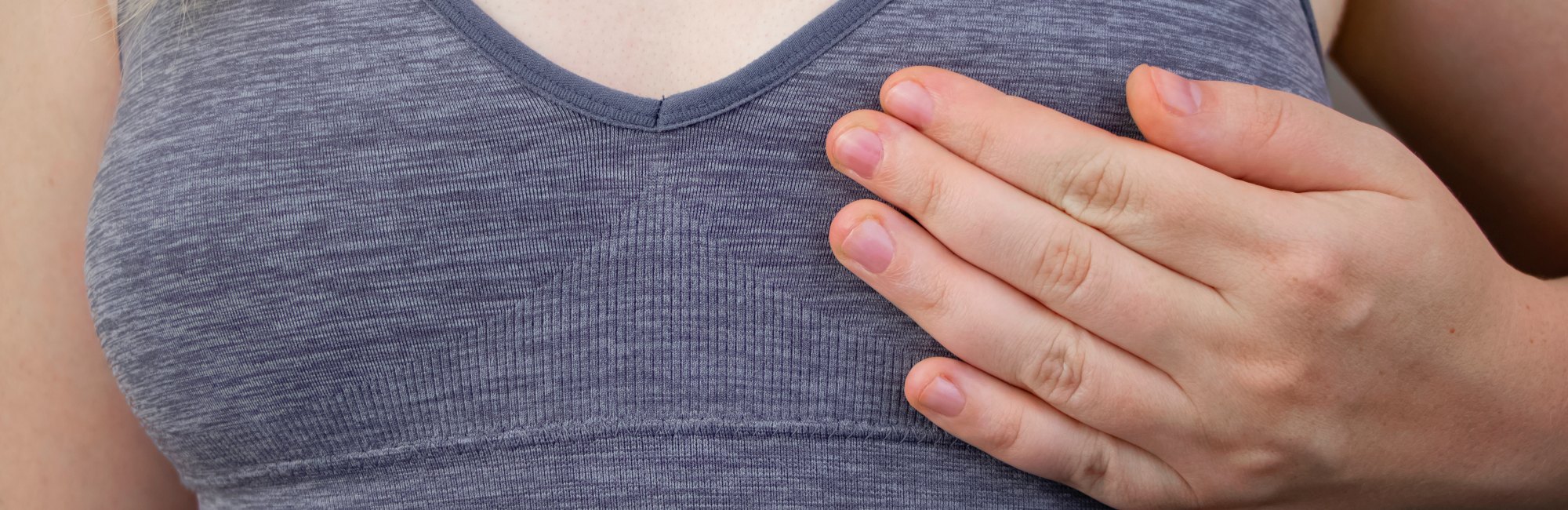
Continuing to breastfeed through nipple pain and damage: some personal reflections
My own story
Well over three decades ago now, after just a few days of breastfeeding my own precious firstborn, I began to experience nipple pain, both sides. Fortunately, I didn’t develop the dreadful kind of damage that so many women experience, of soggy red skin or purple bruising from bleeding under the skin, or bleeding from breaks in the skin. Fortunately, I also didn't have the visible cracks or fissures, blisters or ulcers, or the spreading redness of the skin around a wound or the nasty purulent discharge and spreading red swelling around the wound that comes with infection.
And yet even so, the pain was intense, and miserable. Lying under the sheet at night hurt. My soft loose T-shirt hurt. Water in the shower hurt.
When I finally phoned the Nursing Mothers of Australia Helpline, a breastfeeding counsellor suggested I see a lactation consultant. I was astonished. This was 1990, and I’d never heard of lactation consultants before, despite five years practicing as a doctor! The kind voice coming down the cord coil and handset of the phone, at a time when I was upset and despairing, suggested Virginia Thorley, a remarkable Australian pioneer of breastfeeding support and historian, who happened to live in Brisbane. In 1985, Virginia was one of the world’s first cohort of people to qualify with the new International Board of Lactation Consultant Examiner credentials.
I don’t remember much of what Dr Thorley had to say, to be honest. I do remember that she saw me in the lounge-room of her open plan home, her son washing up dishes at the kitchen sink in the background. I also remember that Dr Thorley was very kind, and encouraging. She was confident things would all be alright, and when my baby became agitated and bored inside the house, we walked together over rough dirt footpaths and she didn’t seem to mind talking with me in that way. I will always be grateful to her.
One way or another, with Virginia's encouragement, and perhaps due to the passage of time as I don’t remember much in the way of ‘latch and positioning’ work, which didn’t really seem to exist as a thing back then, the pain settled down. I was lucky.
Many women courageously endure pain for the sake of their child (and this is a form of heroism)
I have seen many dreadful nipple wounds, not uncommonly belonging to women who continue to offer the breast despite the pain. Their nipples pain don't heal up with time the way mine did, but get worse and worse, with broken skin, bleeding, and ulcers. The heroism of this remains unrecognised in our world: the courageous decision to endure a certain amount of pain and injury in the service of the well-being of our child. Such female grit, such capacity for endurance!
I vehemently reject the accusations of masochism that seem to be thrown around in private sometimes about women who breastfeed through significant difficulty! What kind of a society and health system holds a woman’s courage in such contempt? Each woman weighs up for herself what she is willing to do for the sake of her breastfeeding baby. She alone knows what is right for her, her baby, and her family.
And at the same time, since much of this nipple pain and damage could be prevented by a health system which understood the biomechanics of infant suck and how to protect mothers and babies from breastfeeding-related injury, how appalling it is that women are still subject to preventable pain and wounds! What does this say about our health system priorities, what does this say about what really matters in our culture?
Acknowledgements
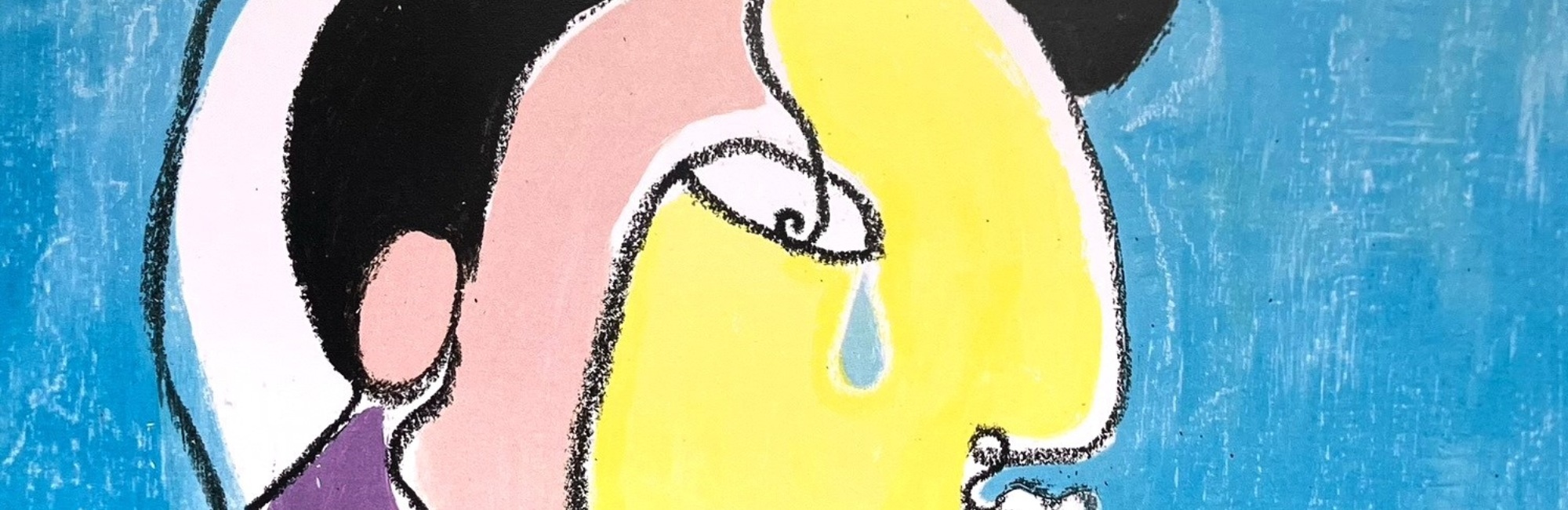
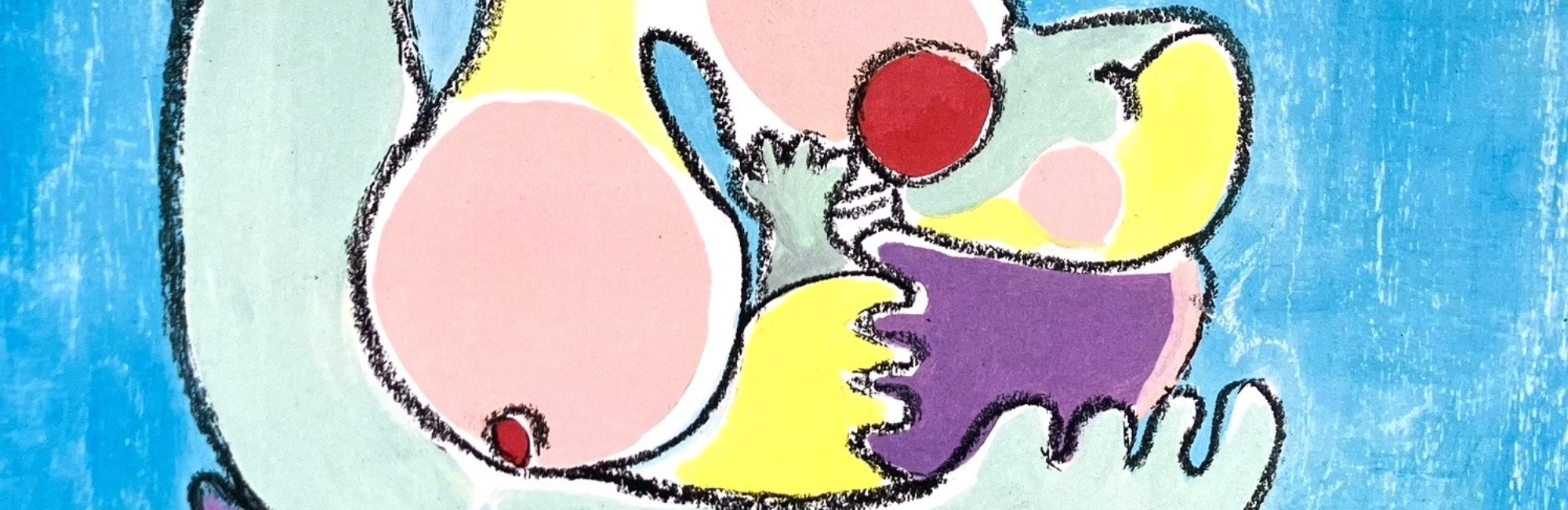
The breastfeeding art on this page is by Camilla Kleist at www.kleist-art.me